
Bringing a puppy into your home is one of life’s most joyful experiences. But along with the wagging tail and playful paws comes the responsibility of shaping good behavior early. The foundation of a well-mannered adult dog starts with consistent, positive training during those first few months. While many turn to professional trainers, it's entirely possible—and often more rewarding—to teach your puppy basic commands at home. With patience, structure, and the right techniques, you can build a strong bond while instilling essential skills like sit, stay, come, lie down, and heel.
The Power of Early Training
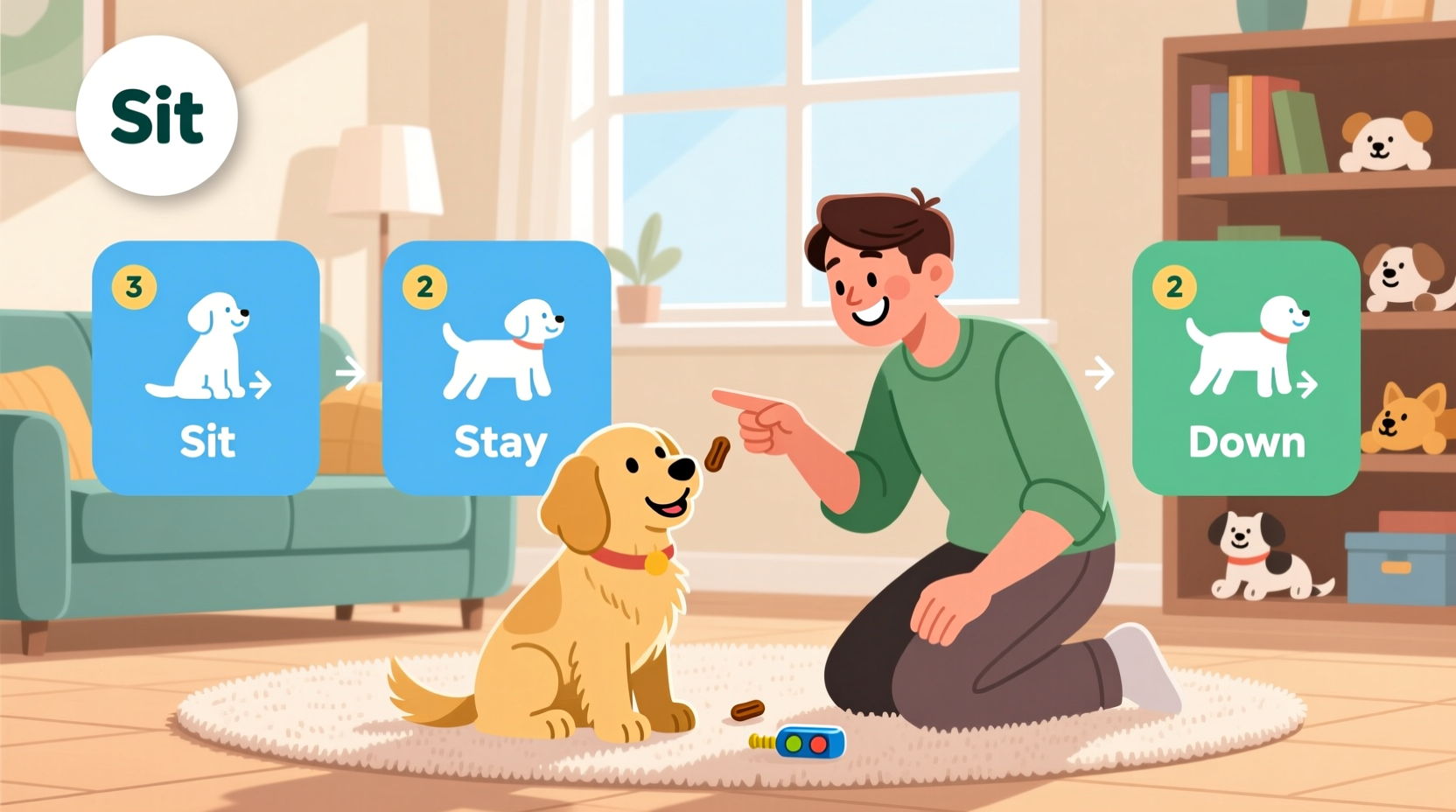
Puppies are sponges between 8 and 16 weeks of age—a critical window for socialization and learning. During this time, their brains are highly receptive to new experiences, sounds, people, and routines. Introducing basic obedience commands early sets the tone for lifelong behavior. What many owners don’t realize is that every interaction with a puppy is a form of training—whether intentional or not. Allowing jumping, nipping, or ignoring calls reinforces unwanted habits. Conversely, structured daily sessions create predictability and confidence in your pup.
Training isn't just about control; it's about communication. When your puppy understands what you expect, they feel secure. Commands become a shared language that reduces anxiety and prevents behavioral issues down the line. And because puppies have short attention spans—typically just 5 to 10 minutes—you don’t need hours of effort. Frequent, bite-sized lessons work best.
Essential Commands Every Puppy Should Learn
Start with five foundational commands: sit, stay, come, lie down, and heel. These cover everyday situations—from greeting guests safely to walking politely on a leash. Each command builds on the previous one, creating a framework for advanced behaviors later.
- Sit: The gateway command. It teaches impulse control and focus.
- Stay: Builds self-restraint and prepares your dog for real-world distractions.
- Come: A lifesaving recall skill that ensures safety off-leash.
- Lie down: Encourages calmness and is useful in busy environments.
- Heel: Promotes controlled walking beside you, not pulling ahead.
These aren’t tricks—they’re tools for coexistence. A dog who sits before being fed is less likely to jump. One who comes when called avoids traffic dangers. Mastery doesn’t require perfection overnight; consistency over weeks does.
Step-by-Step Guide to Teaching “Sit”
This is usually the easiest command to teach and an ideal starting point. Use treats your puppy loves—small, soft pieces work best.
- Hold a treat close to your puppy’s nose.
- Slowly move the treat upward so their head follows it, causing their bottom to lower naturally.
- The moment their rear touches the floor, say “sit” clearly and immediately give the treat.
- Repeat 5–10 times per session, several times a day.
- After a few days, begin phasing out the lure by using an empty hand gesture while still saying “sit.” Reward only when they comply.
Some puppies catch on in a single day. Others may take a week. If your pup backs up instead of sitting, try gently guiding their hips down with light pressure. Never force them—positive reinforcement yields better long-term results than physical correction.
Mastering “Stay” After “Sit”
Once your puppy reliably sits on cue, add duration and distance with “stay.” This command requires incremental progress.
- Ask your puppy to sit.
- Open your palm in front of their face and say “stay” in a calm, firm tone.
- Wait two seconds, then reward if they remain seated.
- Gradually increase the time—3 seconds, 5, 10—before treating.
- Next, take one small step back, return, and reward. Increase steps slowly.
- If they break the stay, calmly reset without scolding.
Duration, distance, and distraction should be increased one at a time—not all together. For example, don’t add distance until your puppy can stay for 30 seconds with you standing right in front of them.
Using Positive Reinforcement Effectively
The cornerstone of successful puppy training is positive reinforcement—rewarding desired behaviors immediately. Dogs repeat actions that lead to good outcomes. Timing is crucial: the reward must follow within 1–2 seconds of the correct behavior to create the mental connection.
Treats are powerful motivators, especially early on. But over time, phase in other rewards like praise (“Good boy!”), petting, or access to a toy. This prevents dependency on food and makes your puppy responsive even when treats aren’t present.
Avoid punishment-based methods such as yelling, leash jerking, or alpha rolling. These damage trust and can trigger fear or aggression. As Dr. Ian Dunbar, veterinarian and animal behaviorist, puts it:
“Punishment suppresses behavior temporarily but doesn’t teach what to do instead. Reward-based training creates lasting change through understanding.” — Dr. Ian Dunbar, Canine Behavior Specialist
Instead of punishing mistakes, redirect unwanted behaviors. If your puppy jumps, turn away and wait for all four paws on the ground before giving attention. This teaches them that calmness earns rewards.
Creating a Daily Training Routine
Consistency turns practice into habit. Puppies thrive on routine, so integrate training into daily activities rather than isolating it to formal sessions.
- Practice “sit” before meals, leashing for walks, or opening doors.
- Use “come” when calling them from another room—never pair it with something unpleasant like bath time.
- Work on “down” during TV time or while you’re reading nearby.
- Reinforce “heel” on neighborhood walks using short bursts of focus followed by sniff breaks.
Aim for three 5-minute sessions per day. More is fine if your puppy stays engaged, but stop before they lose interest. End each session on a success—even if it means going back to an easier task—so your pup finishes feeling confident.
Mini Case Study: Training Max, the Energetic Beagle
Max, a 10-week-old beagle, was adopted by a first-time owner named Sarah. He was affectionate but impulsive—jumping on guests, pulling on walks, and ignoring calls. Sarah committed to a 10-minute morning and evening training routine using chicken bits and enthusiastic praise.
She started with “sit” before feeding and play. Within five days, Max sat automatically when he saw his bowl. She added “stay” next, practicing near the front door to prevent darting outside. By week three, Max would sit and stay while she opened the door. “Come” was trickier—he’d run off chasing squirrels. So Sarah practiced in a fenced yard, crouching and clapping when he looked her way. She rewarded every return, even slow ones.
After six weeks, Max responded reliably indoors and in low-distraction outdoor areas. He still struggled with high excitement, but Sarah learned to manage environments until skills solidified. Her consistency paid off: Max became calmer, more attentive, and safer around children.
Common Mistakes and How to Avoid Them
Even well-meaning owners make errors that slow progress. Recognizing these pitfalls helps you stay on track.
| Mistake | Why It’s Harmful | Better Approach |
|---|---|---|
| Inconsistent cues | Dogs get confused if you use “sit,” “sit down,” and “sit here” interchangeably. | Use one clear word per command and stick to it. |
| Skipping proofing | Puppy obeys at home but ignores you at the park. | Gradually practice in new locations with increasing distractions. |
| Long, repetitive sessions | Puppies lose focus and associate training with boredom. | Keep sessions under 10 minutes and end on a positive note. |
| Rewarding accidentally | Petting a jumping puppy teaches them jumping works. | Reward only when all four paws are on the floor. |
| Expecting instant mastery | Frustration builds when progress feels slow. | Focus on small improvements. Training takes weeks, not days. |
Checklist: First Month of Puppy Command Training
Follow this actionable checklist to stay organized and measure progress.
- ✅ Choose one-word cues for each command (e.g., “sit,” not “sit down please”)
- ✅ Gather supplies: soft treats, clicker (optional), leash, collar/harness
- ✅ Train 2–3 times daily for 5–10 minutes each
- ✅ Master “sit” within the first week
- ✅ Add “stay” with 10-second duration and 3 steps back by week 3
- ✅ Practice “come” in a secure area, using high-value rewards
- ✅ Teach “lie down” using treat luring or capturing natural behavior
- ✅ Begin loose-leash walking (“heel”) in quiet settings
- ✅ Proof commands in 3 new locations (yard, driveway, friend’s house)
- ✅ Socialize responsibly while reinforcing commands around mild distractions
FAQ: Common Questions About Home Puppy Training
How old should my puppy be to start training?
You can begin basic commands as early as 8 weeks. Puppies are capable of learning simple behaviors immediately. Just keep sessions short and fun. Formal obedience classes often start at 12 weeks post-vaccination, but home training can begin much earlier.
What if my puppy ignores me during training?
First, assess distractions. Move to a quieter space. Next, upgrade your reward—try boiled chicken, cheese, or freeze-dried liver. Also, ensure you’re not asking too much too soon. Break tasks into smaller steps. Finally, confirm your puppy is healthy and not fearful. If disengagement persists, consult a vet or certified behaviorist.
Can I train my puppy without treats forever?
Yes—but not immediately. Treats are a tool, not a crutch. Over time, shift to intermittent reinforcement (rewarding only some correct responses) and replace food with life rewards: “You sat? Great! Now you can go outside.” This makes obedience part of everyday privileges.
Conclusion: Building a Lifelong Bond Through Training
Teaching your puppy basic commands at home isn’t just about obedience—it’s about connection. Every successful “sit,” every eager “come,” strengthens mutual trust and understanding. You don’t need a professional trainer to raise a well-behaved dog. What you do need is consistency, kindness, and a willingness to learn alongside your pup.
The skills you build now will echo through the years. A dog who responds reliably to commands is safer, happier, and more welcome in homes, parks, and public spaces. More importantly, the daily ritual of training deepens your relationship in ways few other activities can.




 浙公网安备
33010002000092号
浙公网安备
33010002000092号 浙B2-20120091-4
Comments
No comments yet. Why don't you start the discussion?