
Determining the authenticity of a Louis Vuitton bag is essential for both collectors and first-time buyers. With counterfeiters becoming increasingly sophisticated, relying on brand logos or price alone is no longer enough. Two of the most reliable indicators of authenticity—often overlooked by casual shoppers—are the stitching and the date code. These elements are not only consistent across genuine pieces but also reflect the brand’s commitment to precision and craftsmanship. Understanding how to inspect them properly can save you from costly mistakes and ensure your investment holds value over time.
The Importance of Stitching in Authenticity Verification
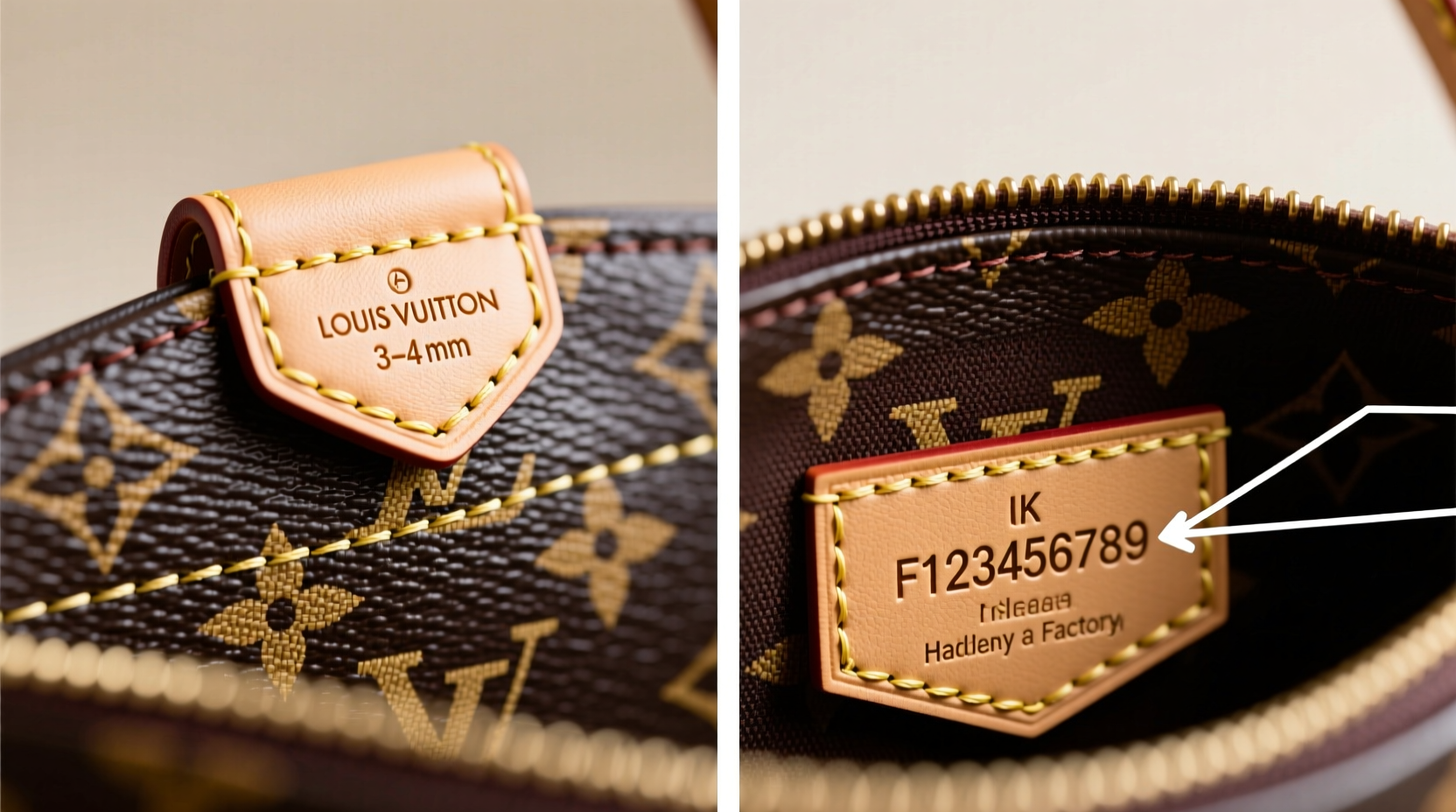
Stitching is one of the first things experts examine when authenticating a Louis Vuitton handbag. The brand uses a specific technique that balances durability, symmetry, and aesthetic consistency. Unlike many counterfeit bags, which often feature uneven or sloppily spaced stitches, genuine Louis Vuitton pieces adhere to strict manufacturing standards.
Each stitch is placed with exact spacing, typically between 7 to 9 stitches per inch, depending on the model and material. This uniformity ensures structural integrity and contributes to the bag’s signature look. Moreover, the thread used is waxed cotton, which resists fraying and maintains color stability over time—a detail rarely replicated accurately in fakes.
What to Look for in Real Louis Vuitton Stitching
- Consistent spacing: Every stitch should be evenly distanced from the next, forming a perfectly straight line along seams.
- Straight alignment: Seams run parallel to the edges of the bag without wavering or curving.
- Thread color match: On classic monogram canvas, the thread is always a warm honey-brown. On Epi leather or Damier Ebene lines, thread color varies slightly but remains consistent within the same collection.
- No loose ends: Genuine bags do not have visible thread tails; all stitching is secured internally.
One common red flag in counterfeits is “wavy” stitching—where the seam appears to drift inward or outward along the edge. This occurs due to poor tension control during sewing, a flaw absent in factory-made Louis Vuitton products.
Understanding Louis Vuitton Date Codes
Date codes are alphanumeric markings stamped inside Louis Vuitton bags that indicate the factory location and production date. While they don’t serve as serial numbers (Louis Vuitton does not use true serials), they are crucial authentication tools. These codes evolved over time, so their format depends on when the bag was made.
Prior to 2021, Louis Vuitton used two-digit date codes (e.g., AR21). After June 2021, the brand transitioned to a new system using QR codes paired with longer alphanumeric strings to enhance traceability and combat counterfeiting. However, most pre-owned bags still carry the older format, making it essential to understand both systems.
Decoding the Classic Two-Digit System (Pre-2021)
In the traditional system, the date code consists of two letters followed by two numbers:
- The first letter represents the month of production.
- The second letter stands for the year.
- The two digits identify the factory where the bag was made.
For example, a code like \"SD20\" would mean:
- S = June
- D = 2019
- 20 = Factory in France
“Date codes aren’t just about age—they’re geographic fingerprints. A mismatch between expected factory output and the claimed origin raises immediate suspicion.” — Antoine Morel, Luxury Authentication Specialist
Post-2021 QR Code & Alphanumeric Tags
Since mid-2021, Louis Vuitton replaced simple date codes with more secure identifiers. Inside newer bags, you’ll find a small square QR code alongside a longer code such as “SNLF1234ABCD5678.” Scanning this QR code via the Louis Vuitton app verifies authenticity and provides product details.
This shift makes verification easier for owners but complicates matters for secondhand buyers who may not have access to scanning tools. In such cases, cross-referencing the alphanumeric sequence with known factory patterns becomes critical.
Step-by-Step Guide to Authenticating a Louis Vuitton Bag
Follow this systematic process to assess a Louis Vuitton bag using stitching and date codes:
- Gather proper lighting and magnification tools. Natural daylight or bright LED light works best. Use a phone camera zoom or jeweler’s loupe for close inspection.
- Locate the date code. Check inside pockets, near seams, or under vachetta leather trim. It should be cleanly stamped, not printed or glued.
- Verify the date code format. If pre-2021, confirm it follows the two-letter, two-number structure. If post-2021, look for the QR code and long alphanumeric tag.
- Examine all major seams. Focus on handles, base corners, and zipper attachments. Count stitches per inch and check for consistency.
- Compare thread color. Monogram canvas uses honey-brown thread; Damier Azur uses lighter tan; Epi leather varies by color but matches precisely.
- Check symmetry. Patterns on opposite sides of the bag should align perfectly at seams—a hallmark of authentic LV craftsmanship.
- Cross-reference findings. Use reputable databases or consult authentication services if discrepancies arise.
Common Red Flags in Fake Bags
Counterfeiters often make predictable errors. Being aware of these can help you spot fakes quickly.
| Feature | Authentic Louis Vuitton | Common Counterfeit Mistake |
|---|---|---|
| Stitching Spacing | Uniform, 7–9 stitches per inch | Inconsistent, too tight or too loose |
| Thread Color | Honey-brown (monogram), precise match | Reddish, orange, or black thread |
| Date Code Stamp | Deeply embossed, clean font | Faint, uneven, or printed instead of stamped |
| Pattern Alignment | Perfect match at seams and zippers | Misaligned logos or repeating motifs |
| Font Style | Custom serif font with balanced proportions | Bold, blocky, or overly rounded letters |
Another frequent issue is incorrect placement of the date code. On authentic bags, it's never located on external surfaces or hot-stamped onto leather handles. If you see a code on the outside, it’s almost certainly fake.
Mini Case Study: Identifying a Counterfeit Speedy 30
A collector in Los Angeles purchased what appeared to be a vintage Louis Vuitton Speedy 30 from an online marketplace. The photos looked convincing, and the seller claimed it was from the early 2000s. Upon receiving the bag, several inconsistencies emerged.
The stitching near the handle attachment showed only five stitches per inch, significantly fewer than the standard seven. The thread was also a bright orange-brown, unlike the deeper honey tone typical of genuine pieces from that era. Most telling was the date code: “XA15,” which suggested a December 2015 production date. However, the font was shallow and poorly aligned, and the stamping depth varied across characters.
When compared side-by-side with a verified authentic Speedy from the same year, the differences were undeniable. The real bag had crisp, deep stamping and perfectly aligned pattern repeats across the top flap. The buyer returned the item and recovered their funds through the platform’s protection policy.
This case underscores the importance of physical inspection—even trusted-looking listings can hide glaring flaws upon closer examination.
Authentication Checklist
Use this checklist before purchasing or accepting a Louis Vuitton bag:
- ✅ Is the stitching evenly spaced (7–9 stitches per inch)?
- ✅ Does the thread color match the expected shade for the line?
- ✅ Are all seams straight and free of wobbling?
- ✅ Is the date code correctly formatted based on production year?
- ✅ Is the stamp deep, clear, and consistently pressed?
- ✅ Do pattern elements align perfectly at seams and closures?
- ✅ Is there a QR code and alphanumeric tag (for bags made after June 2021)?
- ✅ Have I verified against a trusted database or expert source?
Frequently Asked Questions
Do all Louis Vuitton bags have date codes?
Yes, since the 1980s, every Louis Vuitton bag has included a date code. However, older vintage pieces (pre-1980s) may not carry them. Post-2021 bags use QR codes instead of traditional two-digit codes.
Can date codes be faked?
Yes, but poorly. While counterfeiters can replicate basic formats, they often get font styles, spacing, or factory codes wrong. Deepness of stamping and character clarity are difficult to forge convincingly.
Does Louis Vuitton offer official authentication?
No, Louis Vuitton does not authenticate third-party items for the public. They will only verify bags purchased directly through their stores. For pre-owned pieces, independent experts or specialized authentication services are recommended.
Final Thoughts and Action Steps
Authenticating a Louis Vuitton bag requires attention to detail, knowledge of historical changes, and a willingness to question inconsistencies. Stitching and date codes remain among the most accessible yet powerful tools available to consumers. By learning to read these markers, you gain confidence in your purchases and protect your investment.
Whether you're buying your first designer bag or expanding a curated collection, take the time to inspect every element thoroughly. Don’t hesitate to walk away from a deal if something feels off—even subtle irregularities can signal a counterfeit.




 浙公网安备
33010002000092号
浙公网安备
33010002000092号 浙B2-20120091-4
Comments
No comments yet. Why don't you start the discussion?