
Bed bugs are among the most persistent household pests—not because they spread disease, but because of their stealthy nature and rapid reproduction. These tiny insects feed on human blood, typically at night, and can go unnoticed for weeks. By the time signs become obvious, an infestation may already be well established. Recognizing the early warning signals and knowing how to inspect your space properly can mean the difference between a minor nuisance and a full-scale invasion.
Visible Signs of Bed Bugs
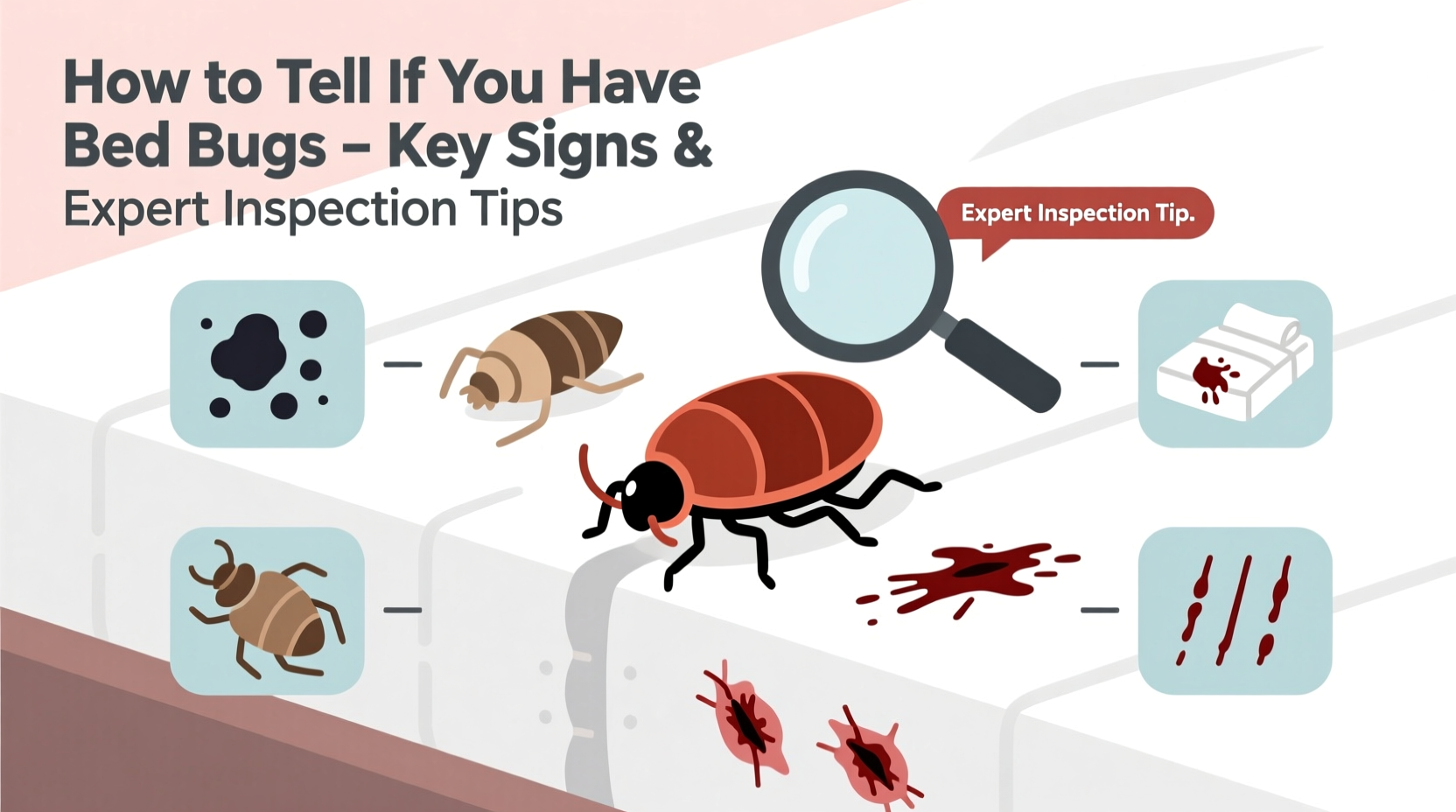
The first clue of a bed bug problem often comes from physical evidence rather than seeing the insects themselves. Bed bugs are small—adults are about the size of an apple seed—and excellent at hiding in cracks and crevices. However, their presence leaves behind unmistakable traces.
- Bloodstains on bedding: Small rust-colored or reddish spots on sheets, pillowcases, or mattress seams may indicate crushed bed bugs after feeding.
- Dark fecal spots: Tiny black or brown dots resembling ink stains, commonly found along mattress stitching, box springs, or baseboards. These are digested blood excretions.
- Eggshells and shed skins: As nymphs grow, they molt five times, leaving translucent exoskeletons behind. Look for these near harborage areas.
- Live insects: Though elusive, spotting live bed bugs—especially during daylight when they're disturbed—is definitive proof. Check mattress folds, seams, headboards, and nearby furniture.
Skin Reactions and Bites: What to Look For
One of the most common reasons people suspect bed bugs is due to unexplained skin irritation. However, bites alone are not conclusive evidence—many insects and allergies cause similar reactions.
Bed bug bites typically appear as red, itchy welts, often in clusters or linear patterns—sometimes called \"breakfast, lunch, and dinner.\" They usually occur on exposed skin during sleep: arms, shoulders, neck, and legs. Unlike mosquito bites, which are random and isolated, bed bug bites tend to repeat in the same areas over several nights.
Reactions vary widely. Some individuals show no symptoms, while others develop pronounced swelling or blisters. Secondary infections from scratching are possible. The only way to confirm bites are from bed bugs is to find supporting evidence like droppings or live specimens.
“You can’t diagnose a bed bug infestation based solely on bites. Many patients come to us convinced they’ve been bitten, only to find spider mites or allergic dermatitis.” — Dr. Laura Simmons, Entomologist and Pest Management Specialist
Step-by-Step Inspection Guide
If you suspect bed bugs, conduct a thorough, systematic inspection. This process should be repeated every few days until you’re certain the issue is resolved—or confirmed.
- Strip the bed: Remove all bedding, including mattress protectors and under-sheets. Wash everything in hot water (at least 120°F) and dry on high heat.
- Inspect the mattress: Focus on seams, tufts, and edges. Flip the mattress and check both sides. Use a credit card or flat tool to probe crevices—this can force hidden bugs out.
- Examine the box spring: Pull it away from the wall. Inspect the underside, corners, and interior frame. Bed bugs often nest inside the wooden slats.
- Check the bed frame and headboard: Especially if made of wood or metal with joints. Disassemble if possible. Look behind hanging art or decor near the bed.
- Scan surrounding areas: Baseboards, electrical outlets, curtain folds, and nearby furniture (nightstands, dressers). Don’t overlook electronics like alarm clocks or TVs.
- Use a white sheet as a detection aid: Place a clean white sheet on the bed overnight. In the morning, look for dark spots or live bugs that may have fallen onto the fabric.
Common Hiding Spots and What to Look For
Understanding where bed bugs prefer to hide increases your chances of early detection. They don’t build nests but congregate near food sources—your sleeping area—within a 5- to 20-foot radius.
| Location | What to Check | Frequency of Infestation |
|---|---|---|
| Mattress seams | Fecal spots, eggs, live bugs | Very High |
| Box spring interior | Clusters in corners, fabric lining | High |
| Headboard and footboard | Cracks, screw holes, decorative grooves | High |
| Baseboards and wall trim | Gaps near floor level, paint bubbles | Moderate |
| Electrical outlets | Behind faceplates (remove carefully) | Moderate |
| Upholstered furniture | Seams, cushions, skirts | High (in non-bedroom areas) |
| Luggage and clothing | After travel, especially in hotels | Variable |
Expert Tips to Confirm an Infestation
Even experienced homeowners can mistake other issues for bed bugs. Carpet beetles, fleas, or even mold can leave similar marks. Experts recommend combining visual inspection with behavioral clues.
- Smell test: Heavy infestations emit a distinct musty, sweet odor—often compared to coriander or overripe raspberries. It’s caused by pheromones released by the bugs.
- Nighttime monitoring: Sit quietly in a dark room for 10–15 minutes around midnight. If bed bugs are present, you might spot them moving toward the bed.
- Tape test: Press clear tape sticky-side down into suspected cracks. Pull up and examine under a magnifier for trapped bugs or eggs.
- Use interceptors: Place bed bug traps (such as ClimbUp® monitors) under bed legs. These catch crawling bugs trying to reach the bed and help confirm activity.
Real-Life Example: A Traveler’s Close Call
A marketing executive returned from a business trip to Chicago and noticed small bites on her arms. At first, she assumed mosquitoes—until she found a tiny brown speck on her hotel receipt tucked in her suitcase. She placed the receipt on a white plate and used a magnifier. To her shock, it was a live bed bug. She immediately isolated her luggage in the garage, washed all clothes on high heat, and inspected her bedroom thoroughly. No further signs appeared. Her quick action, prompted by one small clue, prevented a full infestation.
Do’s and Don’ts When You Suspect Bed Bugs
| Do’s | Don’ts |
|---|---|
| Inspect daily for at least two weeks | Ignore bites or stains hoping they’ll disappear |
| Wash and dry all bedding at high temperatures | Move furniture from room to room (spreads bugs) |
| Use protective encasements on mattresses and box springs | Apply store-bought sprays haphazardly |
| Contact a licensed pest control professional for confirmation | Panic and throw out your mattress prematurely |
| Document findings with notes and photos | Delay action—bed bugs multiply rapidly |
FAQ: Common Questions About Bed Bug Detection
Can bed bugs live in my hair or on my body?
No. Unlike lice or ticks, bed bugs do not live on humans. They feed quickly and retreat to hiding spots nearby. Finding bugs in hair likely indicates another pest.
How long does it take to notice a bed bug infestation?
It varies. A single pregnant female can start an infestation. Visible signs may take 1–2 months to appear, depending on population growth and feeding frequency.
Are bed bugs only found in beds?
No. While they prefer proximity to sleeping areas, they can inhabit sofas, office chairs, movie theaters, and public transportation. Any place with frequent human presence is vulnerable.
Conclusion: Act Early, Stay Ahead
Early detection is the most effective defense against bed bugs. The longer an infestation goes unnoticed, the more difficult and costly it becomes to eliminate. By learning the key signs—blood spots, fecal marks, shed skins, and bite patterns—and conducting regular, detailed inspections, you gain control before the problem escalates. Trust your observations, but verify with physical evidence. When in doubt, consult a certified pest management professional.




 浙公网安备
33010002000092号
浙公网安备
33010002000092号 浙B2-20120091-4
Comments
No comments yet. Why don't you start the discussion?