
Essential oil diffusers have become a staple in homes and wellness spaces, valued not only for their calming scents but also for their potential therapeutic benefits. Yet, owning a diffuser doesn’t guarantee it’s working as intended. Many users assume their device is dispersing oils properly simply because they see mist or detect a faint aroma. However, true effectiveness goes beyond surface-level indicators. Understanding whether your diffuser is truly distributing essential oils efficiently can impact everything from mood enhancement to air quality improvement. This guide breaks down the tangible and measurable ways to assess your diffuser’s performance, backed by practical checks, real-world examples, and expert insights.
Signs Your Diffuser Is Working Effectively
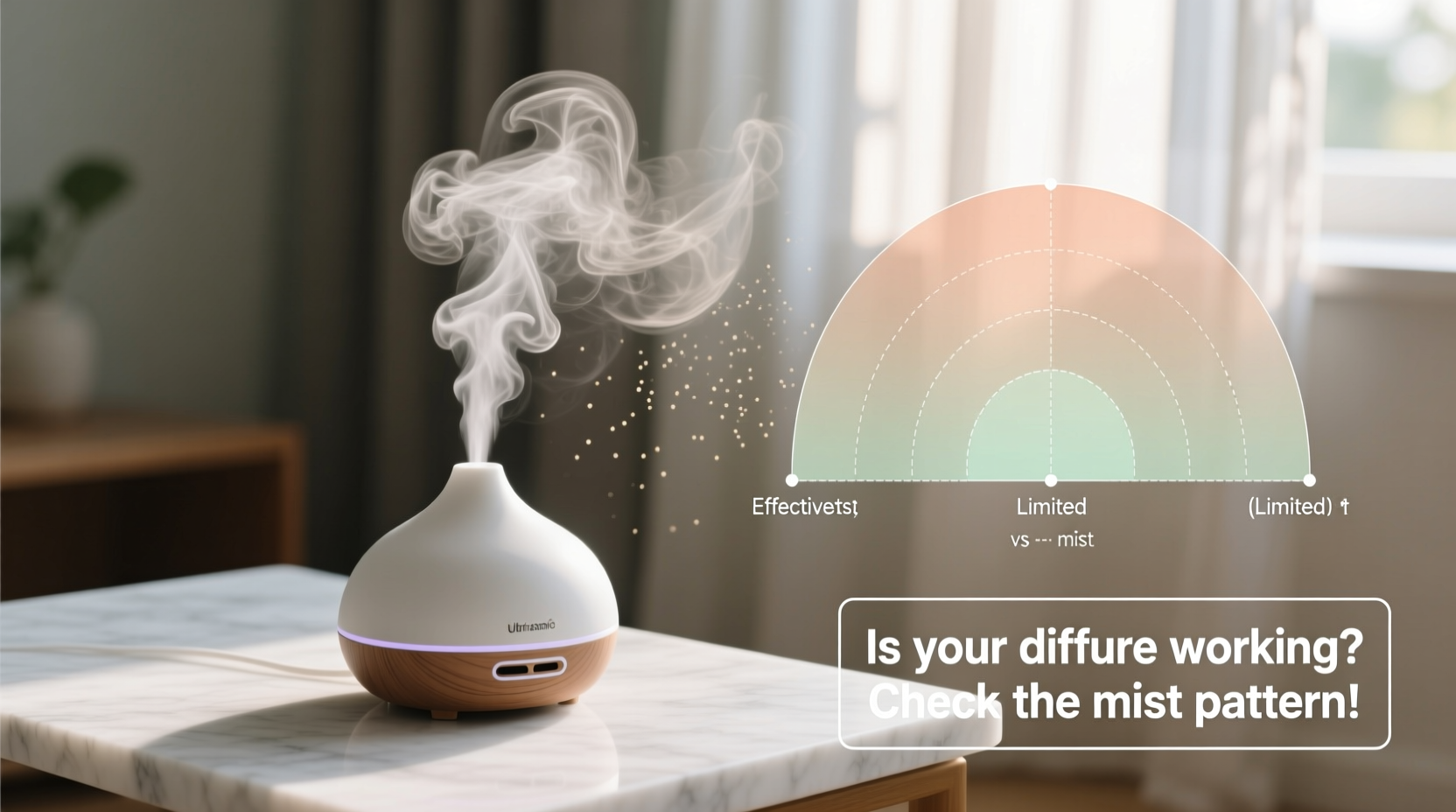
The first step in evaluating your diffuser's performance is recognizing what proper operation looks and feels like. An effective diffuser does more than just emit visible mist—it ensures consistent dispersion of essential oil particles into the air in a way that delivers both scent and potential therapeutic effects.
Key indicators of an effective diffusion process include:
- Consistent aroma distribution: The scent should be noticeable throughout the room, not just near the unit. It should feel balanced—not overpowering in one corner and absent in another.
- Even mist output: A healthy diffuser produces a steady, fine vapor without sputtering, intermittent bursts, or pooling water around the base.
- Sustained fragrance over time: After 15–20 minutes of operation, the scent should remain perceptible without needing constant reapplication.
- Improved ambiance or mood: Users often report feeling calmer, more focused, or energized depending on the oil used—this subjective feedback can signal effective delivery.
If your diffuser runs but leaves no perceptible change in air quality or emotional state, it may not be dispersing oils as efficiently as needed.
Common Reasons for Poor Diffusion Performance
Even high-quality diffusers can underperform due to preventable issues. Identifying these roadblocks is crucial to restoring optimal function.
Low-Quality or Old Essential Oils
Fresh, pure essential oils are highly volatile and aromatic. If your oils are diluted, expired, or contain synthetic additives, the resulting vapor will lack potency. Always check labels for botanical names and storage dates.
Clogged Nebulizer or Ultrasonic Plate
In ultrasonic diffusers, mineral deposits from tap water can coat the vibrating diaphragm, reducing its ability to create mist. In nebulizing models, oil residue can clog the nozzle over time, disrupting airflow.
Incorrect Water-to-Oil Ratio
Too much water dilutes the concentration of essential oils, while too little prevents proper atomization. Most manufacturers recommend 3–5 drops per 100ml of water, but this varies by model and oil type.
Room Size vs. Diffuser Capacity
A small diffuser in a large, open space will struggle to distribute scent evenly. Check your device’s coverage rating (usually listed in square feet) and match it to your room size.
Poor Placement
Placing a diffuser in a corner, behind furniture, or near vents can restrict airflow and limit dispersion. Central, elevated locations promote better circulation.
“Many people overlook maintenance and placement, assuming their diffuser works the same forever. But like any device, performance degrades without care.” — Dr. Lena Torres, Aromatherapy Researcher at the Holistic Wellness Institute
Step-by-Step Guide to Testing Diffuser Efficiency
To determine whether your diffuser is truly effective, follow this systematic evaluation process:
- Prepare the diffuser correctly: Use distilled water and add 4–5 drops of a strong, fresh essential oil like peppermint, eucalyptus, or orange. These oils have distinct, easily detectable scents.
- Choose a controlled environment: Close doors and windows in a medium-sized room (about 150 sq ft). Turn off fans or HVAC systems temporarily to avoid interference.
- Run the diffuser for 15 minutes: Allow the device to operate uninterrupted. Observe the mist pattern—consistent, fine vapor indicates good function.
- Conduct a scent walk-through: After 15 minutes, walk slowly around the room. Note where the scent is strong, weak, or absent. Mark areas mentally or with tape.
- Test after shutdown: Turn off the diffuser and wait 10 minutes. Re-enter the room. If the scent lingers lightly, dispersion was effective. If nothing remains, output may be insufficient.
- Repeat with different oils: Try a less volatile oil like lavender or sandalwood to see if results differ. This helps isolate whether the issue is with the oil or the machine.
This method provides both qualitative and comparative data about your diffuser’s real-world performance.
Do’s and Don’ts of Diffuser Maintenance
Regular upkeep is essential for sustained efficiency. The following table outlines best practices and common mistakes:
| Do’s | Don’ts |
|---|---|
| Use distilled water to prevent mineral buildup | Use tap water regularly, which leads to scaling |
| Clean the reservoir weekly with vinegar or citric acid solution | Leave water sitting in the tank between uses |
| Wipe the ultrasonic plate gently with a cotton swab monthly | Scrub the plate with abrasive materials |
| Rotate essential oils to prevent residue accumulation | Use thick resins like frankincense daily without cleaning |
| Store diffuser in a dry place when not in use | Expose the unit to direct sunlight or humidity long-term |
Real-World Example: Assessing a Bedroom Diffuser
Sarah, a yoga instructor from Portland, purchased an ultrasonic diffuser to help her sleep. She filled it nightly with lavender oil but noticed no improvement in relaxation or scent presence. Initially, she assumed the oil wasn’t working. However, after reading about diffuser efficiency, she conducted a test.
She moved the unit from her nightstand—wedged between a lamp and wall—to the center of her dresser. She switched from tap water to distilled and increased her oil count from 2 to 5 drops. Within two nights, she reported a noticeable floral presence upon entering the room and improved sleep onset.
Further inspection revealed a chalky film on the ultrasonic plate, which she cleaned using vinegar. Post-cleaning, mist output became smoother and quieter. Sarah concluded that poor placement, low oil quantity, and internal buildup were all contributing to ineffective diffusion.
Her experience underscores how multiple small factors can collectively undermine performance—even with quality equipment.
Comparing Diffuser Types for Optimal Oil Dispersion
Not all diffusers work the same way. The mechanism used significantly impacts how well essential oils are dispersed into the air. Understanding the differences helps set realistic expectations.
- Ultrasonic diffusers: Use vibrations to break water and oil into micro-droplets. They produce visible mist and humidify the air, but heavier oils may not disperse fully if not properly mixed.
- Nebulizing diffusers: Use pressurized air to atomize pure essential oils without water. These offer the strongest scent throw and preserve oil integrity, ideal for therapeutic use.
- Evaporative diffusers: Rely on a fan to blow air through an oil pad or wick. Scent is subtle and short-lived, suitable for small spaces.
- Heat diffusers: Warm oils to increase evaporation. Heat can degrade delicate compounds in some oils, reducing efficacy.
If strong, even scent distribution is your goal, nebulizers typically outperform other types. However, they consume oil faster and can be louder. Ultrasonic models are quieter and more affordable but require more frequent cleaning.
“Nebulizers provide the most therapeutically relevant diffusion because they deliver undiluted, particle-rich vapor. For clinical or deep wellness applications, they’re unmatched.” — Dr. Alan Prescott, Integrative Medicine Specialist
Checklist: Is Your Diffuser Performing Well?
Use this quick-reference checklist to evaluate your current setup:
- ✅ Mist is consistent and fine, not spotty or watery
- ✅ Scent reaches all corners of the room within 20 minutes
- ✅ You can identify the specific oil aroma clearly
- ✅ No standing water or oily residue remains after use
- ✅ The unit has been cleaned within the last month
- ✅ You’re using fresh, high-quality essential oils
- ✅ The diffuser is placed centrally and unobstructed
- ✅ Room size matches the manufacturer’s recommended coverage
If three or more items are unchecked, your diffuser is likely underperforming and needs adjustment.
Frequently Asked Questions
Can I tell if my diffuser is working just by looking at the mist?
Not reliably. While visible mist indicates the device is operating, it doesn’t confirm effective oil dispersion. Water-based mist may appear normal even if oils aren’t properly aerosolized. Combine visual inspection with scent testing for accurate assessment.
Why can’t I smell the oil even though the diffuser is running?
This could stem from several causes: old or diluted oils, mineral buildup on the diffuser plate, incorrect oil-to-water ratio, poor room airflow, or olfactory fatigue (your nose getting used to the scent). Try switching oils, cleaning the unit, or relocating it to a more central area.
How often should I replace my diffuser?
With proper care, most diffusers last 1–3 years. Signs it’s time to replace include inconsistent mist, persistent noise, leaks, or inability to hold water. Regular maintenance extends lifespan significantly.
Conclusion: Take Control of Your Aromatherapy Experience
Your diffuser is only as effective as its ability to deliver essential oils into your breathing space. Simply turning it on isn’t enough—you need to verify that the oils are being dispersed properly, consistently, and safely. By observing scent distribution, maintaining the device, choosing the right oils, and understanding your diffuser’s limitations, you gain control over your aromatherapy outcomes. Whether you're using essential oils for relaxation, focus, or air purification, ensuring optimal diffusion turns a passive habit into an active wellness tool.




 浙公网安备
33010002000092号
浙公网安备
33010002000092号 浙B2-20120091-4
Comments
No comments yet. Why don't you start the discussion?