
Perfume is more than a fragrance—it’s a personal signature, a mood enhancer, and often a cherished possession. But like any luxury product, it doesn’t last forever. While perfumes don’t “expire” in the same way milk does, they do degrade over time, especially when exposed to poor conditions. A once-beloved scent can turn sour, weak, or unrecognizable if left too long on the shelf under the wrong circumstances. Knowing how to identify the signs of an expired perfume helps you protect your collection, avoid unpleasant surprises, and get the most value from each bottle.
Understanding Perfume Longevity
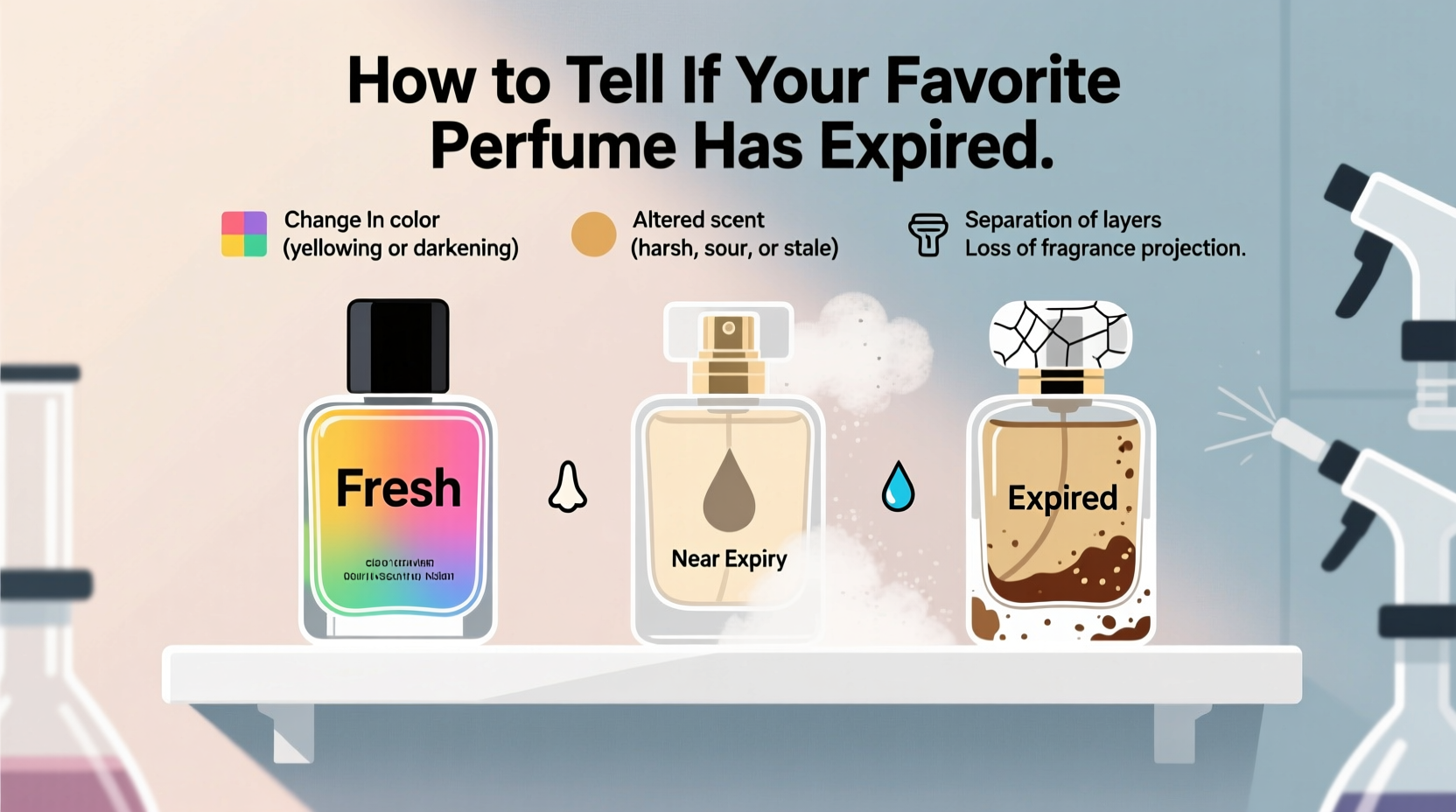
Unlike food or cosmetics with strict expiration dates, perfumes typically come without labeled expiry dates. Instead, their lifespan depends on several factors: ingredients, concentration, packaging, and—most importantly—storage. A well-preserved bottle of parfum can last up to five years or longer, while lighter eau de toilettes may begin to deteriorate after 18 months to three years.
The key components that influence longevity include:
- Fragrance concentration: Parfum (20–30% essential oils) lasts longer than eau de parfum (15–20%), eau de toilette (5–15%), or eau fraîche (1–3%). Higher oil content means slower degradation.
- Ingredients: Natural oils and citrus notes oxidize faster than synthetic molecules or base notes like sandalwood or musk.
- Bottle design: Dark glass bottles with tight caps reduce light and air exposure, both major contributors to spoilage.
“Perfume is chemistry in motion. Once opened, oxidation begins immediately—even if slowly. The real enemy isn't time; it's improper storage.” — Dr. Lena Moretti, Cosmetic Chemist & Fragrance Stability Researcher
Signs Your Perfume Has Gone Bad
Spotting a spoiled fragrance early prevents disappointment and wasted sprays. Here are the most reliable indicators that your favorite scent has passed its prime:
1. Change in Smell
This is the most obvious clue. An expired perfume will often smell:
- Sour or vinegar-like – a sign of alcohol breakdown.
- Flat or weak – top notes vanish first, leaving only faint base scents.
- Chemical or metallic – caused by oxidation of aldehydes or citrus compounds.
If the scent lacks depth or complexity compared to when you first bought it, degradation has likely occurred.
2. Color Shift
Check the liquid. Over time, oxidation and UV exposure can darken perfume. A pale gold eau de cologne turning deep amber or brown is a red flag. While some natural aging causes slight darkening, dramatic shifts suggest chemical instability.
3. Separation or Cloudiness
Fresh perfume should be clear and consistent. If you notice cloudiness, floating particles, or visible separation between oil and alcohol, the formula has destabilized. Gently swirl the bottle—if clarity doesn’t return, the perfume is compromised.
4. Altered Spray Performance
A failing nozzle isn’t always about expiration, but if combined with off-smelling juice, it may indicate internal contamination. However, clogged nozzles can usually be cleaned with warm water and ethanol. True expiration affects the liquid itself—not just the delivery system.
5. Skin Reaction Changes
If a previously non-irritating perfume now causes itching, redness, or burning, it may have degraded into skin-sensitizing compounds. Discontinue use immediately.
Storage Mistakes That Accelerate Expiration
Even high-quality perfumes degrade quickly under poor conditions. Common culprits include:
| Mistake | Why It’s Harmful | What to Do Instead |
|---|---|---|
| Leaving perfume in direct sunlight | UV rays break down aromatic compounds rapidly | Store in a dark drawer or original box |
| Keeping it in the bathroom | Humidity and temperature swings promote mold and oxidation | Move to a cool, dry bedroom closet |
| Storing near heat sources (radiators, windowsills) | Heat accelerates evaporation and chemical reactions | Choose interior shelves away from vents or sunlight |
| Leaving the cap off | Increases air exposure, leading to faster oxidation | Always replace the cap tightly after use |
| Transferring to decorative atomizers | Clear glass offers no UV protection; seals may leak | Use only for immediate travel; keep originals sealed |
Step-by-Step Guide: How to Test Your Perfume’s Viability
Before discarding a beloved scent, conduct a simple assessment:
- Inspect the Bottle: Hold it against a white background. Look for color changes, cloudiness, or particles.
- Smell the Neck: Don’t spray yet. Sniff the outside of the cap and neck. If it smells sharp, acidic, or stale, the contents are likely degraded.
- Test on Skin: Spray a small amount on your wrist. Wait 30 seconds, then smell. Compare the opening notes to your memory of the original scent. Does it evolve as expected?
- Evaluate Sillage and Longevity: After two hours, check if the scent remains. A significant drop in performance suggests aging.
- Compare with a Fresh Sample: If possible, visit a store or request a decant of the same fragrance to compare side by side.
If multiple signs point to deterioration, it’s time to retire the bottle—even if it still emits a trace of aroma.
Real Example: When Nostalgia Met Oxidation
Sophie kept her first designer perfume—a vintage floral oriental—on her vanity for nearly seven years. She used it sparingly, saving it for special occasions. When she finally reached for it again, excited to relive memories, the scent was unrecognizable: harsh, smoky, and lacking the soft rose heart she adored. Despite the bottle looking intact, years of daily sun exposure through her east-facing window had silently ruined the formula. A quick test at a department store confirmed it—the current version smelled nothing like hers. Sophie learned the hard way that emotional value doesn’t protect a fragrance from chemical reality.
Her mistake? Assuming infrequent use equaled preservation. In truth, constant environmental exposure mattered far more than usage frequency.
Expert Tips for Extending Perfume Life
Preserving your fragrance collection requires minimal effort but delivers maximum payoff. Follow these proven strategies:
- Rotate your collection: Use perfumes within two to three years of opening for peak quality.
- Buy smaller sizes if you’re a collector: Limited-edition scents in 30ml bottles are less likely to expire before finishing.
- Avoid temperature fluctuations: Never leave perfumes in cars, near heaters, or in cold garages.
- Don’t refrigerate unless necessary: While cool storage helps, fridges introduce moisture and food odors. Only consider this for rare, precious bottles stored long-term.
- Label bottles with purchase date: Use a discreet sticker on the bottom to track age.
Perfume Expiration Checklist
Use this checklist to assess any bottle in your collection:
- ✅ Is the liquid clear and free of particles?
- ✅ Has the color changed significantly since purchase?
- ✅ Does it smell true to its original character?
- ✅ Are the top, middle, and base notes distinguishable?
- ✅ Does it last on skin as expected?
- ✅ Is the bottle stored in a cool, dark place?
- ✅ Has it been exposed to humidity or direct sunlight?
- ✅ Was it opened more than 3 years ago?
If you answered “no” to any of the first five or “yes” to the last three, the perfume may be past its prime.
Frequently Asked Questions
Does unopened perfume expire?
Yes, eventually. Unopened bottles typically last 3–5 years, sometimes longer if stored properly. While the seal slows oxidation, ingredients still degrade over time due to natural chemical processes. Vintage collectors have revived 10-year-old unopened bottles, but results vary widely by formulation.
Can I fix an expired perfume?
No. Once a fragrance has oxidized or separated, the chemical change is irreversible. Adding alcohol or essential oils won’t restore the original balance and could worsen irritation risks. The safest option is disposal.
Is it harmful to wear expired perfume?
While not toxic, degraded perfumes can cause skin irritation, allergic reactions, or headaches due to altered compounds. They also tend to project poorly and may smell unpleasant to others. For health and social reasons, it’s best not to use them.
Conclusion: Preserve the Essence of Your Signature Scent
Your favorite perfume carries memories, emotions, and identity. Treating it with care ensures those moments remain authentic and enjoyable. Recognizing the signs of expiration—whether through scent, color, or performance—is essential to maintaining a refined olfactory wardrobe. By storing bottles correctly, monitoring their condition, and using them mindfully, you extend not just shelf life but sensory pleasure.




 浙公网安备
33010002000092号
浙公网安备
33010002000092号 浙B2-20120091-4
Comments
No comments yet. Why don't you start the discussion?