
A good night’s sleep depends on more than just a comfortable mattress. Your pillow plays a critical role in supporting your neck, aligning your spine, and ensuring restful recovery each night. Yet, unlike other household items, pillows rarely come with expiration dates. Over time, they degrade, accumulate allergens, and lose structural integrity—often without obvious warning. Many people continue using pillows long past their prime, unaware that their poor sleep or morning stiffness could be directly linked to an aging pillow. Recognizing when it’s time for a replacement isn’t just about comfort—it’s about health, hygiene, and long-term well-being.
Signs Your Pillow Has Reached the End of Its Lifespan
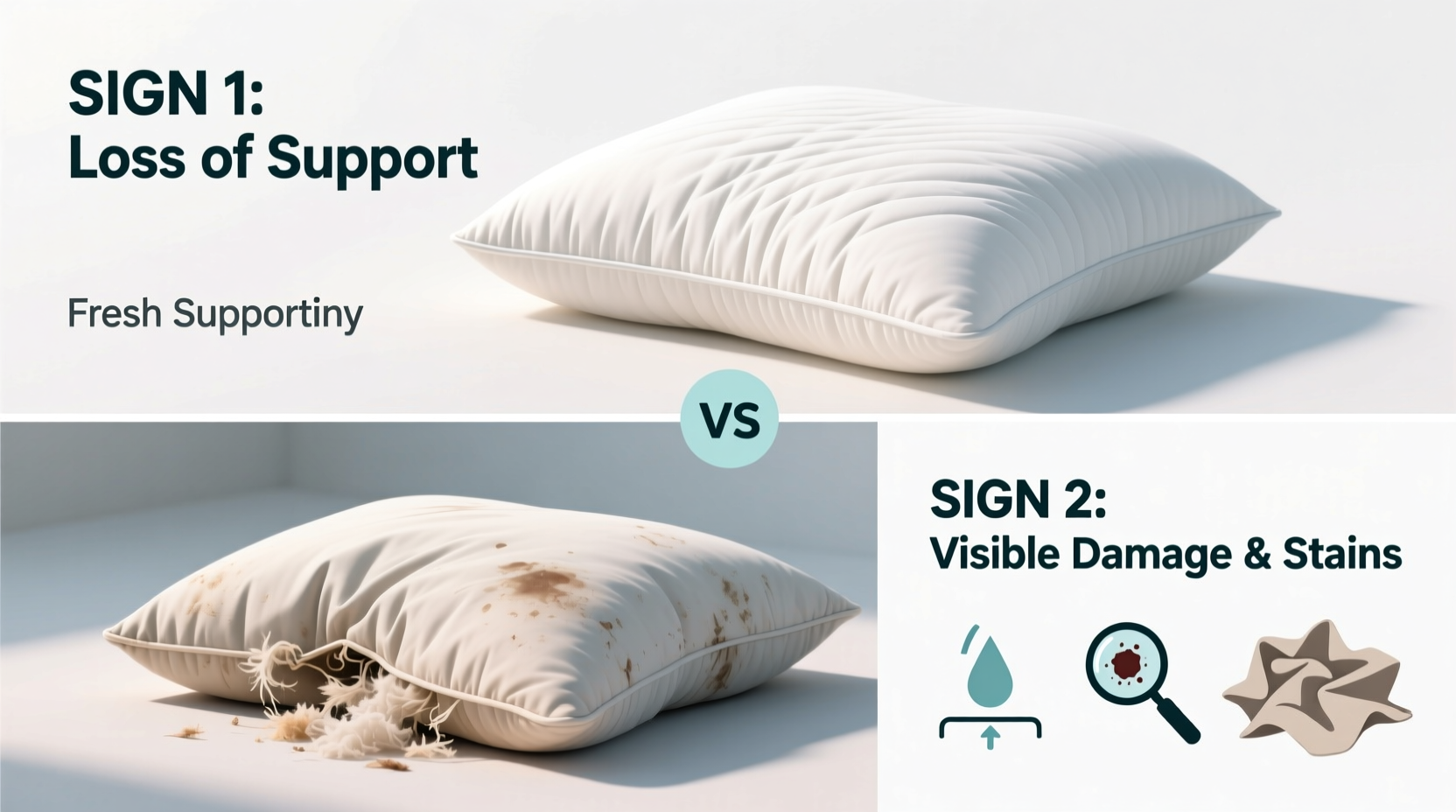
Pillows don’t last forever. Most begin to deteriorate after 1–3 years, depending on material, usage, and care. However, visible damage isn’t always apparent. Instead, look for subtle but telling indicators that your pillow may no longer serve you well.
- Lumps and unevenness: If your pillow has developed hard clumps or flat spots, it’s likely lost its ability to support your head and neck properly.
- Yellow stains: These aren't just sweat marks—they’re evidence of absorbed body oils, dead skin cells, and moisture buildup that can harbor bacteria and mold.
- Frequent neck or shoulder pain: Waking up with stiffness or soreness may signal inadequate spinal alignment due to a collapsed or misshapen pillow.
- Allergy flare-ups: Dust mites thrive in warm, humid environments like old pillows. Increased sneezing, congestion, or itchy eyes upon waking could point to allergen accumulation.
- Musty odor: A persistent smell even after washing suggests deep-seated microbial growth that cleaning can’t fully eliminate.
Pillow Longevity by Material Type
Different pillow materials have varying lifespans based on durability, resilience, and susceptibility to wear. Knowing what kind of pillow you own helps determine when replacement is necessary.
| Material | Average Lifespan | Key Signs of Aging | Care Tips to Extend Life |
|---|---|---|---|
| Memory Foam | 2–3 years | Flattening, loss of contouring, off-gassing returns | Use a removable cover; spot clean only; avoid direct sunlight |
| Down/Feather | 5–7 years (with proper care) | Clumping, reduced loft, quill poking through fabric | Fluff daily; use protective covers; professional dry cleaning annually |
| Synthetic Polyester | 1–2 years | Flatness, fiber breakdown, increased dust mite attraction | Machine wash every 3 months; air dry completely |
| Latex | 3–5 years | Crumbling edges, permanent indentations, odor development | Vacuum gently; avoid soaking; store in ventilated area |
| Buckwheat Hull | 5+ years (fill lasts longer than casing) | Noisy shifting, hull breakage, casing tears | Replace outer shell as needed; refill hulls every few years |
While high-end materials like down or latex may last longer, they still require consistent maintenance. Even with ideal care, biological contaminants accumulate over time, making eventual replacement unavoidable.
Health Risks of Using an Old Pillow
The average pillow can host thousands of dust mites within six months of regular use. By the two-year mark, it may contain up to a third of its weight in dead skin cells, dust mite debris, and fungal spores. This environment not only compromises hygiene but actively contributes to respiratory issues and skin conditions.
Dermatologist Dr. Lena Tran explains:
“Old pillows are breeding grounds for microbes that can trigger acne, eczema flare-ups, and allergic dermatitis. The constant contact with contaminated fabric disrupts the skin barrier, especially for side sleepers.”
Respiratory specialists also warn that prolonged exposure to dust mite allergens can worsen asthma symptoms. A study published in the *Journal of Allergy and Clinical Immunology* found that replacing pillows every two years reduced nighttime wheezing and nasal congestion in sensitive individuals by nearly 40%.
Additionally, degraded support leads to poor posture during sleep. Misalignment between the head, neck, and spine increases strain on muscles and joints, potentially contributing to chronic tension headaches and cervical spine degeneration over time.
Step-by-Step Guide to Evaluating Your Pillow
Follow this practical timeline to assess whether your pillow should stay or go:
- Check the purchase date: Locate the care tag or recall when you bought it. If it’s been over three years, start evaluating closely—even if it looks fine.
- Inspect for physical damage: Look for tears, thinning fabric, or protruding filling. Run your hands over the surface to feel for lumps or weak spots.
- Perform the fold test: Fold the pillow in half and let it go. If it stays folded or takes more than 10 seconds to rebound, internal structure is compromised.
- Smell the pillow: Unpleasant odors, especially musty or sour notes, indicate microbial growth that washing won’t fully remove.
- Assess your morning symptoms: Track any recurring neck pain, headaches, or allergy symptoms for a week. Eliminate other variables (e.g., new detergent) to isolate the pillow as a potential cause.
- Wash and re-evaluate: Clean according to manufacturer instructions. If discomfort persists post-wash, replacement is likely needed.
- Compare with a new pillow: Try sleeping one night on a fresh, supportive pillow. Notice differences in comfort, support, and wake-up quality.
This process helps remove guesswork and provides objective data for decision-making. Don’t rely solely on appearance—functionality and hygiene matter far more.
Real-Life Example: Sarah’s Sleep Transformation
Sarah, a 38-year-old graphic designer from Portland, struggled with frequent migraines and restless nights for over a year. She upgraded her mattress, changed her bedtime routine, and even tried magnesium supplements—all with minimal improvement. It wasn’t until she visited a chiropractor for neck pain that the root cause was identified: her decade-old memory foam pillow had completely broken down.
“I thought since it didn’t smell or look terrible, it was still usable,” she said. “But once I replaced it with a medium-firm latex option recommended by my therapist, my headaches dropped from four per week to one—and I started waking up feeling refreshed.”
Her experience underscores a common misconception: longevity isn’t determined by outward condition alone. Internal degradation happens invisibly, silently undermining sleep quality and physical health.
Expert Insight on Pillow Replacement Standards
National Sleep Foundation guidelines recommend replacing pillows every 18 to 36 months. However, individual needs vary. According to Dr. Marcus Bell, a certified sleep specialist at the Cleveland Clinic:
“There’s no universal timeline. A person who sweats heavily at night or has allergies should replace their pillow more frequently—sometimes annually. Others who use protective barriers and rotate pillows may extend usability closer to three years. But beyond that, performance decline is inevitable.”
He emphasizes that support consistency is key: “Your pillow should keep your head in neutral alignment with your spine. If you’re propping yourself up with extra pillows or adjusting it multiple times per night, it’s failing its primary function.”
Checklist: When to Replace Your Pillow Immediately
Use this concise checklist to make a quick decision:
- ✅ You’ve had it longer than 3 years
- ✅ It fails the fold test (doesn’t rebound)
- ✅ You wake up with neck, shoulder, or headache pain regularly
- ✅ There are visible stains, holes, or foul odors
- ✅ You suffer from allergies or asthma and haven’t replaced it in over 18 months
- ✅ It feels significantly flatter or harder than when new
- ✅ You notice increased skin breakouts on your face or shoulders
If three or more apply, replacement is strongly advised.
Frequently Asked Questions
Can I wash my old pillow instead of replacing it?
Washing removes surface dirt and some allergens, but it cannot restore lost loft or eliminate deeply embedded dust mite colonies. For synthetic and memory foam pillows, washing may accelerate breakdown. While cleaning extends usability slightly, it does not reverse aging. If your pillow shows structural failure, replacement is the better investment.
How often should I change pillowcases?
Pillowcases should be washed weekly, ideally every 3–4 days for oily skin or allergy sufferers. Regular laundering reduces the transfer of bacteria, fungi, and sebum into the pillow core. Using two cases—one inner, one outer—can add an extra layer of protection.
Are expensive pillows worth it if they still need replacing every few years?
Higher-priced pillows often use superior materials and engineering for better support and durability. While they still require replacement, they typically perform well throughout their lifespan and provide greater comfort and spinal alignment. Think of it as investing in daily health rather than a disposable item.
Conclusion: Prioritize Sleep Health with Timely Pillow Replacement
Your pillow is one of the most intimate pieces of home wellness equipment you own—yet it’s often overlooked until problems arise. Recognizing when it’s past its prime isn’t just about upgrading comfort; it’s about protecting your respiratory system, skin health, and musculoskeletal alignment. Signs like persistent pain, staining, odor, or failed resilience tests are clear signals that replacement is overdue.
Don’t wait for discomfort to dictate action. Proactively assess your pillow every six months. Keep track of purchase dates. Use protective covers. And when in doubt, err on the side of freshness and support. A new pillow might seem like a small change, but its impact on sleep quality, energy levels, and overall well-being is profound.




 浙公网安备
33010002000092号
浙公网安备
33010002000092号 浙B2-20120091-4
Comments
No comments yet. Why don't you start the discussion?