
Skincare is an investment in your health and confidence. But what happens when that luxurious serum or trusted moisturizer starts losing its potency—without any obvious expiration date in sight? Many products lack clear labeling, especially from smaller brands or during travel. Relying solely on printed dates isn't always practical. The truth is, your senses and observations can be far more reliable than a faded stamp on the bottom of a bottle.
Using expired skincare doesn’t just reduce effectiveness—it can lead to irritation, breakouts, or even infections. Recognizing subtle changes in texture, smell, color, and performance allows you to protect your skin before damage occurs. This guide equips you with practical, science-backed methods to detect product degradation using everyday clues, so you can make informed decisions—label or not.
Visual Clues: What Your Eyes Can Reveal
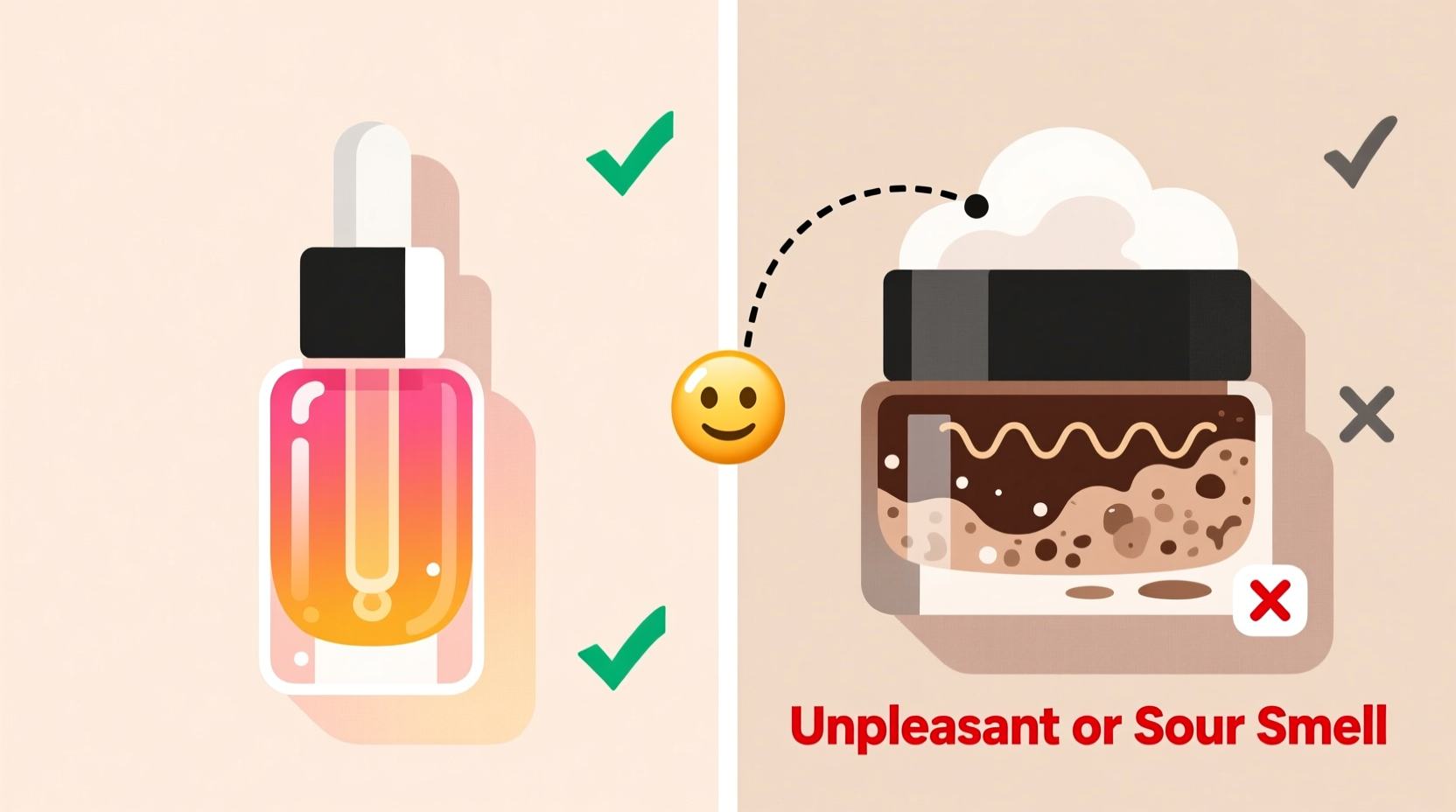
The first signs of expiration often appear visually. Changes in appearance are among the most immediate indicators that a product has begun to degrade. These shifts occur due to ingredient separation, oxidation, microbial growth, or preservative failure.
- Color changes: A once-clear toner turning yellow, a bright vitamin C serum darkening to amber, or a cream developing brown specks suggests oxidation or chemical breakdown.
- Separation that won’t mix: Some natural oils may temporarily separate—this is normal. But if shaking doesn’t recombine the layers, or if chunks float independently, emulsifiers have likely failed.
- Mold or fuzz: Visible spots, webbing, or fuzzy patches inside jars signal fungal contamination. Discard immediately.
- Cloudiness: Transparent gels or liquids becoming hazy indicate bacterial growth or ingredient instability.
Texture and Consistency Shifts
Your skin feels texture long before your eyes confirm it. Altered consistency often means the formulation has broken down, reducing efficacy or increasing irritation risk.
| Product Type | Fresh Texture | Signs of Expiration |
|---|---|---|
| Moisturizer (Cream) | Smooth, uniform, easily spreadable | Grainy, lumpy, or excessively dry/watery |
| Serum | Light, fluid, fast-absorbing | Thickened, sticky, or stringy |
| Sunscreen | Even, creamy, blends smoothly | Chalky residue, uneven dispersion |
| Face Oil | Clear, fluid, non-greasy | Cloudy, thick, or resinous feel |
If a lotion suddenly feels gritty—like sand under your fingers—it may mean emulsifiers have degraded. Oils that become sticky or leave a tacky film might have undergone polymerization, a sign of rancidity. Similarly, gel-based products that start “stringing” like glue have lost structural integrity.
The Role of Scent in Detecting Spoilage
Your nose is a powerful diagnostic tool. Skincare products, especially those without synthetic fragrances, should have a neutral or mildly characteristic scent based on their ingredients. Any strong, sour, or off-putting odor is a red flag.
Natural oils like rosehip or jojoba are prone to going rancid. When they oxidize, they emit a sharp, metallic, or crayon-like smell. Fermented skincare may have a faint tang initially—but if the odor intensifies into something resembling vinegar or old nuts, microbial overgrowth is likely.
“Sensory evaluation remains one of the most accessible and effective ways for consumers to assess product safety at home.” — Dr. Lena Patel, Cosmetic Microbiologist, Institute of Dermatological Research
Fragranced products can mask spoilage, making scent assessment tricky. However, even heavily scented items will develop a “wrong” note when compromised—a chemical after-smell, burnt sugar hint, or sour undertone beneath the perfume.
Performance Decline: When Results Fade
A product that once delivered visible results but now seems inert may be past its prime. Active ingredients like retinoids, AHAs, vitamin C, and peptides degrade over time, especially when exposed to air, heat, or light.
If your brightening serum no longer fades dark spots, or your acne treatment stops clearing breakouts despite consistent use, consider expiration. This isn’t always due to skin adaptation—especially if you’ve used the same product successfully for months and recently noticed a drop in performance.
For example, L-ascorbic acid (vitamin C) oxidizes quickly. Once degraded, it turns into ineffective and potentially irritating compounds like dehydroascorbic acid. Even if the color change is mild, the antioxidant power diminishes significantly within weeks post-opening if not stored properly.
Container Clues and Application Behavior
How a product dispenses or applies can reveal hidden issues. Packaging plays a critical role in shelf life, and malfunctions often precede or accompany spoilage.
- Pump failure: If a serum pump stops working despite being full, air exposure may have thickened the formula.
- Unusual resistance: Foundations or sunscreens that suddenly require excessive rubbing to blend may have separated or crystallized.
- Jar contamination: Dipping fingers repeatedly introduces bacteria. Over time, this leads to biofilm formation—visible as a slimy layer or persistent cloudiness.
- Leakage or swelling: Bulging tubes or leaking caps can indicate gas buildup from microbial fermentation inside.
Airless pumps and opaque packaging help extend longevity, but they aren’t foolproof. Always observe whether the product flows naturally. If it sputters, clumps, or ejects inconsistently, it’s time to replace it—even if it looks fine.
Step-by-Step Guide: How to Assess Skincare Freshness Monthly
Integrate these checks into your routine to catch degradation early:
- Gather all facial products you use regularly—cleansers, serums, moisturizers, SPF.
- Inspect each container for cracks, leaks, or stuck dispensers.
- Observe color and clarity against a white background under natural light.
- Check texture by applying a small amount to the back of your hand. Look for graininess, water-oil separation, or abnormal thickness.
- Smell gently. Note any sour, metallic, or rancid undertones.
- Test performance over 3–5 days. Apply consistently and monitor for reduced efficacy or irritation.
- Record findings in a skincare journal or app. Track how long products last before degrading.
This process takes less than ten minutes and prevents prolonged use of compromised formulas. Over time, you’ll learn the typical lifespan of each product type under your storage conditions.
Mini Case Study: The Day Cream That Caused Breakouts
Sophie, a 32-year-old graphic designer, had used the same hydrating day cream for nearly a year. She didn’t check the PAO (Period After Opening) symbol and kept the jar on her bathroom windowsill. In spring, she began experiencing persistent cheek congestion and small pustules—unusual for her combination skin.
After ruling out diet and hormonal changes, she examined the cream. It had developed a faint yellow tint and a slightly sour smell when warmed between fingers. Though the texture seemed normal, microscopic mold was later identified in a lab test due to repeated finger-dipping and sunlight exposure.
Upon switching to a fresh, airless-packaged moisturizer stored in a drawer, her breakouts cleared within two weeks. This case illustrates how environmental exposure and improper handling accelerate expiration—even without visible mold.
Do’s and Don’ts of Skincare Storage
Proper storage dramatically extends product life. Follow these guidelines to delay expiration and preserve potency.
| Do’s | Don’ts |
|---|---|
| Store in a cool, dark place (e.g., closet or bedroom drawer) | Leave products in humid bathrooms or near showers |
| Keep lids tightly closed to limit air exposure | Leave jars open or pumps unlocked |
| Use clean spatulas for jarred products | Dip fingers directly into creams |
| Refrigerate unstable actives (e.g., vitamin C, probiotic serums) | Freeze products unless specified |
| Rotate stock—use older products first | Stack multiple backups in uncontrolled environments |
Frequently Asked Questions
Can expired skincare cause permanent skin damage?
While most expired products cause temporary irritation or breakouts, certain cases pose higher risks. Expired sunscreen loses UV protection, increasing long-term sun damage and skin cancer risk. Contaminated eye creams can lead to infections like conjunctivitis. Prolonged use of rancid oils may contribute to oxidative stress in the skin, accelerating aging.
Is it safe to use a product that smells slightly off but looks fine?
No. Odor changes often precede visible spoilage. Bacteria and fungi produce metabolic byproducts that alter scent before forming colonies you can see. If something smells “off,” err on the side of caution and discontinue use, especially on sensitive or compromised skin.
Does refrigeration extend the shelf life of all skincare?
Not universally. Water-based products with actives (vitamin C, hyaluronic acid, peptides) benefit from cold storage. However, oil-based cleansers or balms may thicken or separate in the fridge. Always check manufacturer guidelines. Avoid temperature cycling—don’t move products in and out of refrigeration frequently.
Final Checklist: Signs Your Skincare Is Expired
- Change in color (yellowing, darkening, speckling)
- Unusual or unpleasant odor (sour, metallic, musty)
- Texture alterations (lumping, graininess, separation)
- Reduced effectiveness despite consistent use
- Container issues (leaks, pump failure, swelling)
- Visible mold, fuzz, or cloudiness
- Irritation, stinging, or breakouts when previously none occurred
Trust your instincts. If a product feels “wrong,” it probably is. Your skin communicates through reactions—listen closely.
Conclusion: Take Control of Your Skincare Safety
You don’t need a label to know when a product has overstayed its welcome. By tuning into visual, olfactory, tactile, and performance cues, you gain autonomy over your skincare routine. These skills protect your skin’s health, maximize product value, and prevent unnecessary reactions.
Start today: pull out your current products and run through the sensory checklist. Replace anything questionable. Implement better storage habits and track usage moving forward. Share your observations with friends—many people unknowingly use expired formulas. Together, we can shift toward smarter, safer skincare practices that prioritize long-term wellness over blind loyalty to a brand or bottle.




 浙公网安备
33010002000092号
浙公网安备
33010002000092号 浙B2-20120091-4
Comments
No comments yet. Why don't you start the discussion?