
For music lovers and collectors alike, vintage band t-shirts are more than just clothing—they're wearable history. A genuine 1970s Rolling Stones tour shirt or an original Nirvana In Utero tee carries cultural weight, personal nostalgia, and sometimes significant monetary value. But with the booming popularity of retro fashion, the market has flooded with reproductions, reprints, and outright fakes. Distinguishing an authentic vintage piece from a modern reproduction requires attention to detail, knowledge of historical production methods, and a healthy dose of skepticism.
This guide walks you through the essential markers of authenticity, from fabric composition and printing techniques to label styles and seller credibility. Whether you're browsing a thrift store, scrolling through eBay, or considering a high-end consignment purchase, these insights will help you make informed decisions and avoid costly mistakes.
Understand the Era: Production Methods by Decade
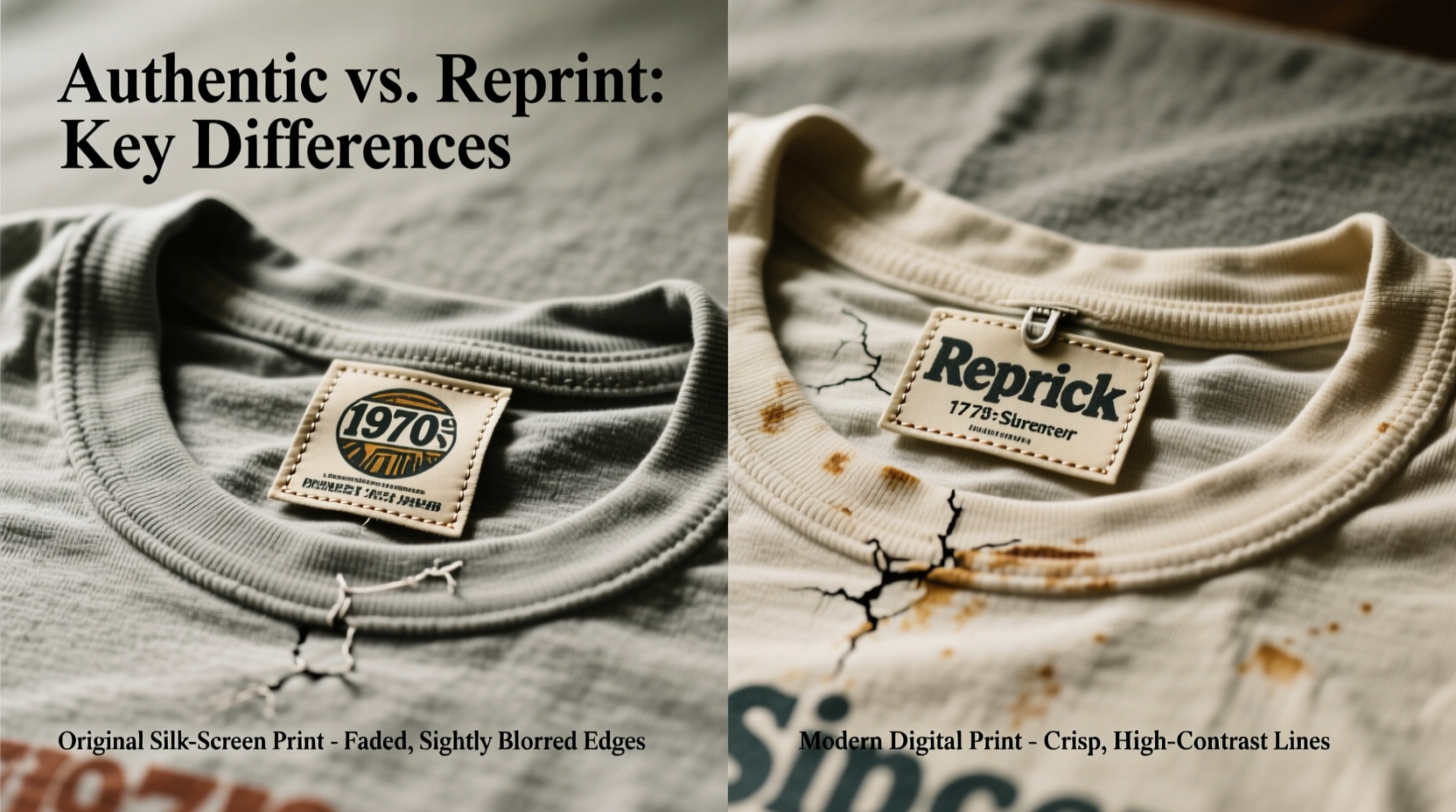
The way band t-shirts were made has evolved significantly since the 1960s. Knowing what was typical in each decade helps identify whether a shirt aligns with its claimed time period.
- 1960s–1970s: Most shirts were screen-printed using plastisol or water-based inks. Designs were often simple due to technical limitations. Garments were typically made from 100% cotton, with minimal branding on tags.
- 1980s: Screen printing became more advanced, allowing for multi-color designs. Band logos grew bolder. Tags began featuring brand names like Gildan, Hanes, or Fruit of the Loom, though many blank or generic tees were used.
- 1990s: This was the golden age of tour merchandise. Official concert tees were mass-produced with high-quality prints. Tag styles diversified, and some included size labels sewn into the side seam.
- 2000s–Present: Digital printing, heat transfers, and sublimation techniques became common. Reprints of classic designs surged, often labeled as “vintage style” but not authentic.
Modern reprints frequently mimic older designs but use contemporary materials and construction methods. For example, a \"vintage\" Metallica shirt from the 1980s that uses ultra-soft tri-blend fabric (polyester, rayon, cotton) is almost certainly a reproduction—this fabric blend didn’t exist in mainstream apparel until the 2010s.
Analyze the Label and Branding
The garment label is one of the most reliable indicators of age. Authentic vintage tees rarely feature overt branding like “vintage rock” or “classic tour.” Instead, they carry manufacturer tags from the era.
Look for:
- Classic brand labels such as Fruit of the Loom, Hanes, Jerzees, or Union Bay.
- Silkscreen printed labels (common in the '70s and early '80s), which degrade over time and may appear faded or cracked.
- Tags with union labels (like “ILGWU” – International Ladies' Garment Workers Union), which were phased out in the late 1990s.
A red flag is a shirt with no brand tag at all or one that features a trendy streetwear-style woven label with phrases like “Est. 1985” or “Rock Archive.” These are hallmarks of modern reproductions.
“Authentic vintage band tees don’t advertise their vintage status. The real ones let the wear, print, and tag speak for themselves.” — Marcus Reed, Vintage Apparel Appraiser & Owner of RetroThread Archives
Inspect the Print Quality and Technique
The printing method can reveal whether a shirt is decades old or recently made. Genuine vintage prints have characteristics shaped by the technology of their time.
| Era | Print Type | Texture/Feel | Common Flaws |
|---|---|---|---|
| 1970s–early 80s | Plastisol or water-based ink | Thick, slightly raised print | Cracking, fading, slight misalignment |
| Mid-80s–90s | Improved plastisol, multi-color screens | Smoother, more detailed | Color bleed, minor registration errors |
| 2000s–present (reprint) | Digital transfer, heat press, or modern screen print | Flat, uniform, too perfect | No natural aging; overly vibrant colors |
Authentic vintage prints often show signs of natural deterioration: cracking along folds, fading from sunlight, or uneven ink distribution. Reproductions tend to be too clean—colors are perfectly aligned, edges are razor-sharp, and there's no sign of ink degradation.
Another clue: run your fingers over the print. If it feels smooth and flat, like a sticker, it’s likely a heat transfer—a technique rarely used for official concert tees before the 2000s. Original vintage prints sit slightly above the fabric surface and may flake if aged enough.
Examine Fabric and Construction Details
The material and stitching of a vintage tee offer subtle but telling evidence of its origin.
True vintage shirts from the 1970s and 1980s were typically made from heavyweight 100% cotton. They shrink when washed and soften with wear. Modern reprints often use lightweight cotton or blended fabrics for comfort, which feel softer right out of the package.
Check for:
- Garment dyeing: Many vintage shirts were dyed after sewing, leading to slight color variation between panels. Modern reprints are usually piece-dyed (fabric dyed before cutting).
- Sideseam labels: Common in 1990s concert tees, especially those made for tours. Look for small tags indicating size or tour date.
- Stitching style: Older machines used a slightly looser stitch. Examine the shoulder seams and hem—tight, even stitching with synthetic thread suggests post-2000 manufacturing.
- Pit stains and wear patterns: While not proof of authenticity, natural underarm discoloration or collar fraying consistent with decades of wear supports a shirt’s age claim.
Provenance and Seller Credibility Matter
Even the most convincing shirt can be a fake if the source isn’t trustworthy. Provenance—the history of ownership and origin—is crucial in vintage collecting.
Ask yourself:
- Does the seller provide context? A legitimate vintage dealer might mention where the shirt was sourced (e.g., “found in a closet in Seattle, circa 1994”).
- Are photos clear and detailed? Zoom in on labels, prints, and fabric texture. Blurry or stock-like images are suspicious.
- Is the price too good to be true? An original Pink Floyd Dark Side of the Moon tour tee should cost hundreds, not $25.
- Does the listing avoid vague terms like “inspired by” or “style similar to”? These are disclaimers used to skirt authenticity claims.
eBay, Etsy, and Depop are rife with reprints sold as vintage. Some sellers knowingly misrepresent items; others simply don’t know the difference. Always check reviews, ask questions, and compare listings across platforms.
Mini Case Study: The $500 Nirvana Shirt That Wasn't
Jessica, a collector from Portland, found a “rare” Nirvana Unplugged tour shirt listed for $85 on a popular resale app. The photo showed a yellowed collar and cracked print—signs she thought indicated age. She purchased it, only to discover upon arrival that the tag read “Made in Honduras, 2018” and the print had a plastic-like sheen. After consulting a vintage forum, she learned it was a common reprint sold by a third-party vendor using vintage-style filters on photos. She requested a refund, but the seller had already shipped. The lesson? Never rely solely on appearance without verifying the label and seller history.
Step-by-Step Guide to Authenticating Your Vintage Band Tee
Follow this checklist to systematically evaluate any vintage band tee:
- Check the label: Identify the brand and country of manufacture. Research when that brand used specific tag styles.
- Inspect the print: Feel for texture. Look for cracking, fading, and ink consistency. Avoid shirts with flat, glossy prints.
- Assess the fabric: Is it 100% cotton? Does it feel heavy and slightly stiff? Lightweight softness suggests modern fabrication.
- Examine construction: Look at stitching tightness, seam placement, and whether it has a sideseam tag or union label.
- Research the design: Search online archives or fan forums to confirm the exact artwork was used on official tours.
- Evaluate the seller: Read feedback, ask about provenance, and verify return policies.
- Compare pricing: If dozens of identical shirts are listed at the same price, it’s likely a reprint.
Frequently Asked Questions
Can a vintage band tee be machine washed?
Yes, but with caution. Turn it inside out, use cold water, and air dry to preserve print integrity and minimize shrinkage. Frequent washing accelerates wear, so clean only when necessary.
Are all band tees from the 1990s considered vintage?
Technically, yes—anything 20+ years old qualifies as vintage. However, not all 1990s band tees are valuable. Authenticity, rarity, condition, and cultural significance determine worth.
Do reprints have any value?
Generally, no—unless they’re limited edition collaborations or officially licensed reproductions. Most reprints are mass-produced and hold little collector interest. However, they can still be fun wardrobe staples.
Final Checklist: Quick Authentication Summary
Vintage Authenticity Checklist:
- ✅ Manufacturer tag matches era (e.g., Fruit of the Loom, ILGWU)
- ✅ Print has texture and signs of natural aging (cracking, fading)
- ✅ Fabric is heavyweight 100% cotton
- ✅ No modern labels like “vintage style” or “retro fit”
- ✅ Design matches known official tour artwork
- ✅ Seller provides transparency and allows returns
- ❌ Avoid if print feels plastic-like or colors are too vibrant
Conclusion: Wear History, Not Hype
Authentic vintage band tees connect us to music history in a tangible way. They carry the spirit of concerts long past, fan devotion, and cultural movements. But that emotional and financial value disappears when the shirt is merely a clever imitation.
By learning to read the details—the tag, the print, the fabric—you protect yourself from deception and deepen your appreciation for genuine artifacts. Don’t rush a purchase. Take the time to inspect, research, and question. The real finds are worth the effort.




 浙公网安备
33010002000092号
浙公网安备
33010002000092号 浙B2-20120091-4
Comments
No comments yet. Why don't you start the discussion?