
The common cold affects millions each year, disrupting work, school, and daily routines. While most people recover within a week or two, one of the biggest concerns isn’t just feeling better—it’s knowing when it’s safe to return to normal life without risking the health of others. Understanding when a cold is no longer contagious requires more than just waiting for symptoms to fade. It involves recognizing subtle shifts in your condition, understanding viral behavior, and applying practical precautions.
Cold viruses—most commonly rhinoviruses—are highly transmissible through respiratory droplets and contaminated surfaces. You can spread the virus before you even realize you’re sick and potentially continue doing so after you start feeling better. This makes timing crucial. Misjudging your contagious window can lead to outbreaks in households, workplaces, and schools.
Understanding Cold Transmission: How Long Are You Contagious?
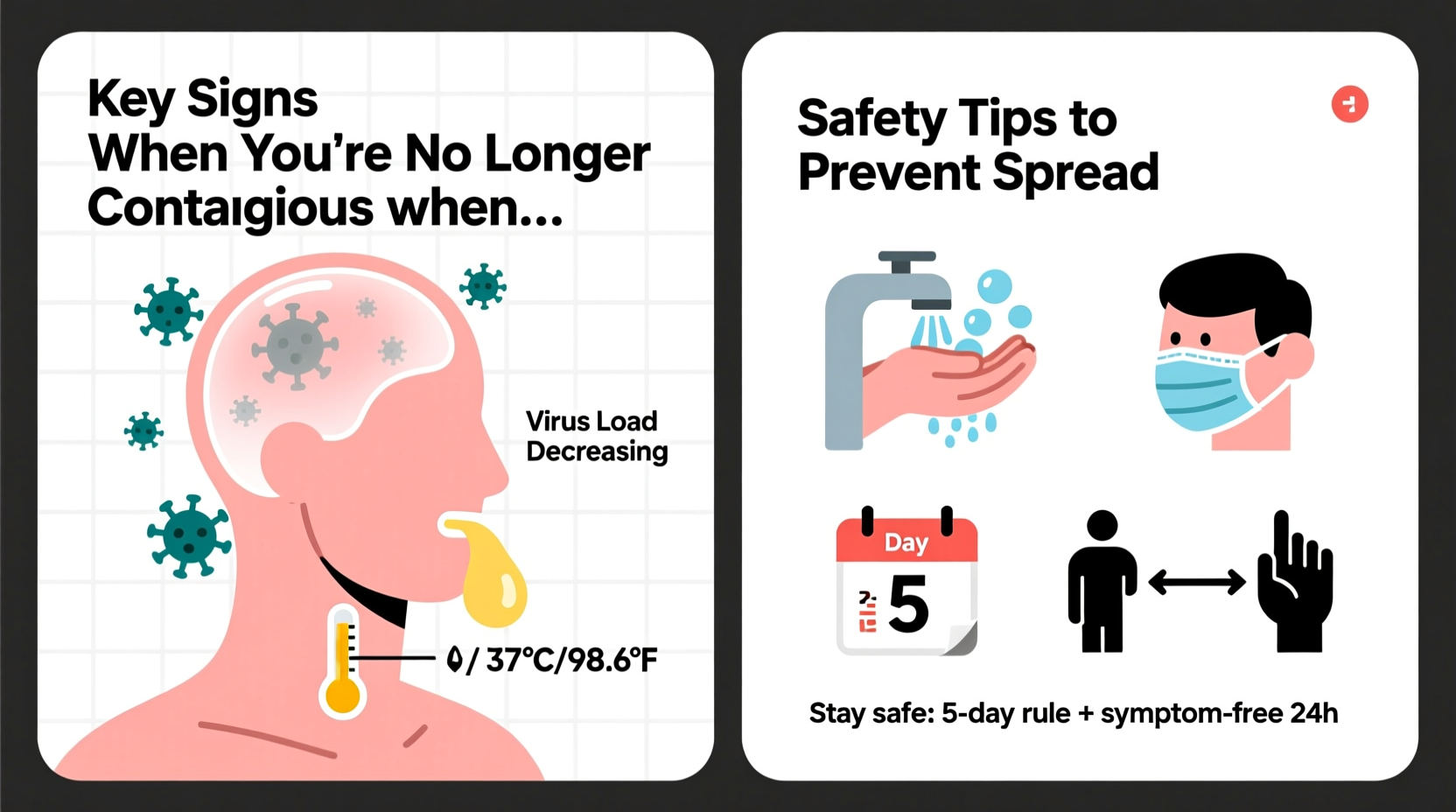
A cold becomes contagious about 1–2 days before symptoms appear. This pre-symptomatic phase is especially dangerous because you may unknowingly spread the virus while feeling perfectly fine. Once symptoms begin—such as sneezing, sore throat, congestion, and cough—you are at peak contagiousness during the first 3–5 days.
Most adults remain contagious for about 7–10 days from symptom onset. However, children and individuals with weakened immune systems can shed the virus for up to 14 days or longer. The virus spreads primarily through:
- Inhaling airborne droplets from coughs or sneezes
- Touching contaminated surfaces (doorknobs, phones, keyboards) and then touching your face
- Close personal contact like shaking hands or sharing drinks
Even after symptoms improve, low-level viral shedding may persist. That means you could still transmit the virus, albeit less efficiently. Recovery doesn’t always equal non-contagious.
“People often assume they’re safe to return to work once their fever breaks or nasal symptoms ease. But lingering coughs can still expel infectious particles, especially in enclosed spaces.” — Dr. Linda Chen, Infectious Disease Specialist
Key Signs Your Cold Is No Longer Contagious
There’s no single test to confirm when you’ve stopped being contagious, but several clear indicators suggest it’s likely safe to re-engage socially:
- Fever has been gone for at least 24 hours without using fever-reducing medication like acetaminophen or ibuprofen.
- Symptoms have significantly improved, particularly runny nose, sneezing, and post-nasal drip.
- Cough frequency has decreased and is no longer productive (i.e., not bringing up mucus).
- You feel consistently better—energy levels are returning, and you can carry out normal activities without fatigue.
- No new symptoms have emerged for at least 48 hours.
These signs, taken together, provide a reliable picture of reduced transmission risk. A single symptom improving—like a less stuffy nose—is not enough on its own. The overall trend matters most.
Do’s and Don’ts During Recovery
To avoid relapse or spreading the virus, follow these evidence-based guidelines as you transition back to regular life.
| Do’s | Don’ts |
|---|---|
| Wash hands frequently with soap and water for at least 20 seconds | Return to work or school while still experiencing frequent coughing fits |
| Continue wearing a mask in crowded indoor settings for 2–3 days after recovery | Share utensils, cups, or personal items like towels |
| Disinfect commonly touched surfaces (phones, remotes, door handles) | Ignore mild symptoms that flare up again—this could signal ongoing contagion |
| Stay hydrated and rest as needed to support full immune recovery | Skip hand hygiene just because you feel better |
Step-by-Step Guide to Rejoining Normal Life Safely
Recovery isn’t an event—it’s a process. Follow this timeline to minimize risk to others:
- Day 1–3 of Symptoms: Stay home. Avoid all close contact. Rest, hydrate, and monitor symptoms. Begin tracking fever.
- Day 4–7: Assess symptom progression. If improving, prepare for re-entry. Continue isolation if symptoms worsen or plateau.
- Day 8 onward: If fever-free for 24+ hours and symptoms are mild, consider returning to work or school—but wear a mask and practice strict hand hygiene.
- Post-return (Days 9–12): Maintain caution. Avoid high-risk environments (nursing homes, daycare centers) until all symptoms cease.
- Ongoing: Wash reusable masks daily and disinfect personal devices weekly during cold season.
“I had a client who returned to the office on day six of her cold because she ‘felt okay.’ By day eight, half her team was out sick. She didn’t realize her dry cough was still spreading virus particles.” — Mark Tolbert, Occupational Health Consultant
FAQ: Common Questions About Cold Contagiousness
Can I still be contagious after my fever breaks?
Yes. A broken fever is a positive sign, but other symptoms like coughing and nasal secretions can still harbor and spread the virus. Wait at least 24 hours after the fever ends without medication before considering a return to public spaces.
How long should I wait to visit elderly relatives after having a cold?
Wait at least 7 days from symptom onset—and only if all major symptoms have resolved. Older adults and those with chronic conditions are more vulnerable to complications. When in doubt, delay visits and opt for video calls instead.
Is a lingering cough still contagious?
Not always, but it depends. After the first week, many people experience a “post-viral cough” caused by airway irritation rather than active infection. However, if the cough produces mucus or is accompanied by fatigue or low-grade fever, assume you’re still contagious.
Final Checklist Before Returning to Public Spaces
Before resuming normal activities, go through this quick verification list:
- ✅ No fever for 24 consecutive hours without medication
- ✅ Significant improvement in nasal symptoms and sneezing
- ✅ Cough is infrequent and non-productive
- ✅ Able to perform daily tasks without exhaustion
- ✅ No new symptoms in the past 48 hours
- ✅ Committed to continued hygiene practices (handwashing, masking if near vulnerable people)
Conclusion: Protect Yourself and Others with Smart Decisions
Knowing when a cold is no longer contagious isn’t just about personal comfort—it’s a responsibility to the people around you. Viruses don’t disappear the moment you feel better. They linger, sometimes silently, until your body fully clears them. By paying attention to objective signs like fever resolution and symptom trends, and by continuing preventive habits even after recovery, you help stop unnecessary spread.
Cold season will come every year. What changes is how we respond. Make informed choices, respect the recovery timeline, and model healthy behavior for your family, coworkers, and community.




 浙公网安备
33010002000092号
浙公网安备
33010002000092号 浙B2-20120091-4
Comments
No comments yet. Why don't you start the discussion?