
In an age where digital communication is constant and traceable, there are legitimate reasons someone might need to send a text from a different phone number—whether for personal safety, privacy, or professional boundaries. However, doing so requires more than just finding a random app; it demands awareness of security risks, legal limitations, and ethical use. This guide outlines practical, responsible methods to text anonymously without compromising your safety or violating laws.
Why Text Anonymously?
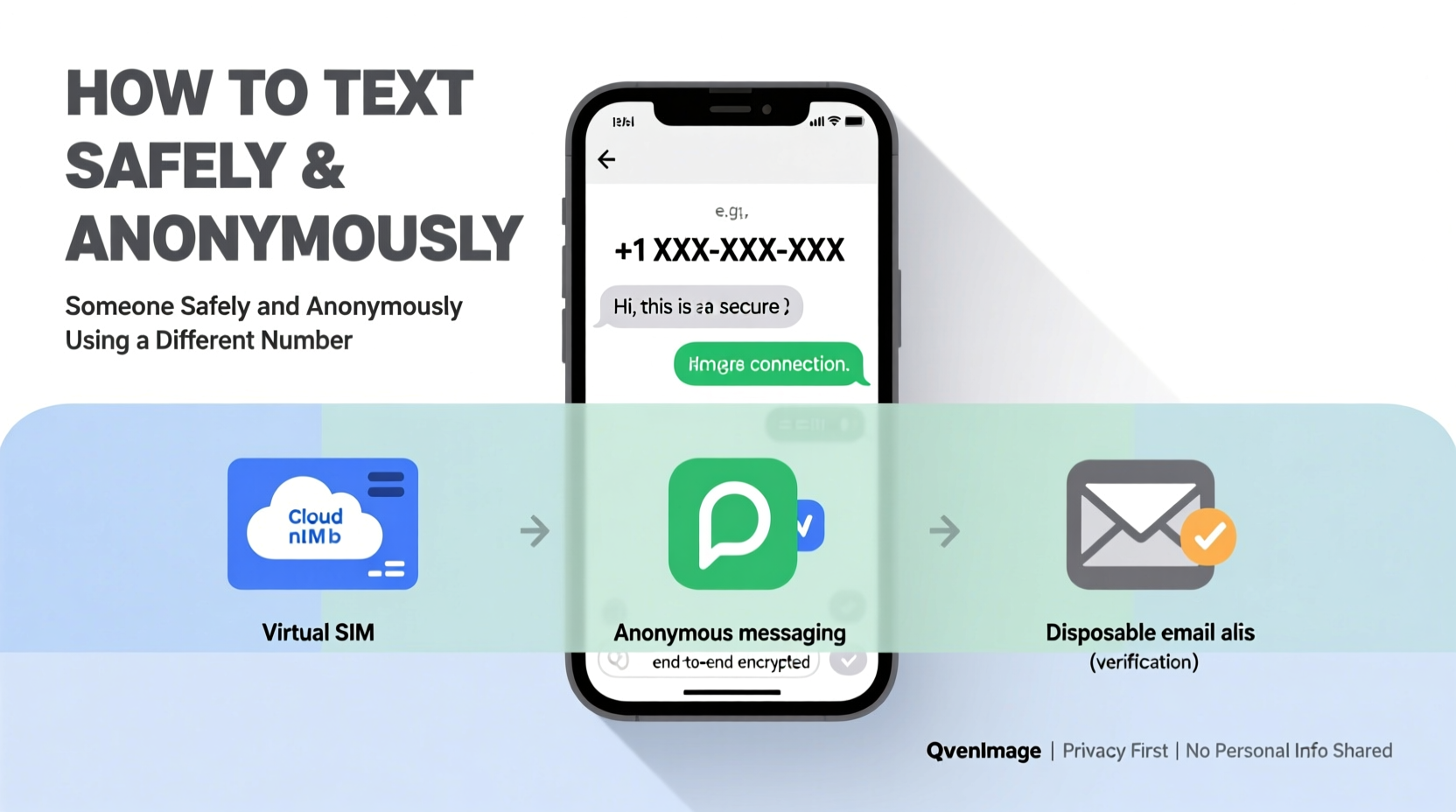
Anonymous texting isn't inherently suspicious. People may choose to hide their identity for valid reasons: reporting misconduct, protecting themselves from harassment, maintaining confidentiality in sensitive relationships, or managing business communications without exposing personal numbers.
The key lies in intent. Sending threatening messages or attempting to deceive others under false pretenses crosses ethical and often legal lines. Responsible anonymity means protecting your identity while still acting within the bounds of legality and respect.
Secure Methods to Send Anonymous Texts
There are several reliable ways to send texts using a different number. Each method varies in ease of use, cost, and level of privacy.
1. Use Reputable Messaging Apps with Virtual Numbers
Apps like TextNow, Textra, Dingtone, and Google Voice assign you a real U.S. or Canadian phone number that can send SMS and make calls over Wi-Fi. These services don’t require a SIM card, making them ideal for temporary or anonymous use.
- Google Voice: Offers free calling and texting within the U.S. Requires linking to a real number during setup but doesn’t reveal it when messaging.
- TextNow: Provides ad-supported free service with optional premium upgrades. Works on smartphones and tablets.
- Burner Apps (e.g., Burner, Hushed): Designed specifically for short-term or secondary numbers. Ideal for situations requiring temporary contact info.
These apps typically encrypt data in transit and allow users to delete accounts at any time—critical features for maintaining control over digital footprints.
2. Web-Based SMS Services
Sites such as AnonSMS, SMS2World, or SendAnonymousSMS.com let you type a message and select a sender ID (often customizable). While convenient, many of these platforms lack end-to-end encryption and may log IP addresses or sell user data.
“Web-based anonymous SMS tools can be useful for one-off messages, but they’re rarely suitable for ongoing or sensitive communication.” — Jordan Lee, Cybersecurity Analyst at PrivacyFirst Labs
If using web tools, pair them with additional protections like a virtual private network (VPN) to mask your location and prevent tracking.
3. Use a Secondary Device with Prepaid SIM
For maximum anonymity, purchase a prepaid mobile phone and SIM card with cash. Avoid registering the device or connecting it to personal accounts like Google or iCloud. Once used, the device can be discarded—commonly known as a “burner phone.”
This method offers near-total separation from your identity but comes with higher costs and logistical effort.
Step-by-Step Guide to Safe Anonymous Texting
- Determine your purpose: Clarify why you need anonymity. Is it for safety, privacy, or convenience? This shapes your tool choice.
- Select a secure platform: Choose between a burner app, virtual number service, or physical burner phone based on risk level.
- Avoid personal identifiers: Don’t mention names, locations, or details that could link back to you—even accidentally.
- Use a trusted network: Connect via public Wi-Fi (with caution) or through a reputable VPN to hide your IP address.
- Limit message history: Enable auto-delete features if available, and manually erase logs after critical conversations.
- Dispose responsibly: Delete app accounts, reset devices, or discard hardware securely when no longer needed.
Do’s and Don’ts of Anonymous Messaging
| Do’s | Don’ts |
|---|---|
| Use encrypted apps whenever possible | Use your real name or personal details in messages |
| Pair anonymity tools with a reliable VPN | Send threats, scams, or harassing content |
| Delete message history regularly | Link anonymous numbers to personal email or social media |
| Verify recipient number before sending | Rely on unknown websites offering “completely untraceable” SMS |
| Test the system first with a self-message | Assume total invisibility—metadata can still leave traces |
Real Example: A Whistleblower’s Approach
A hospital employee discovered unsafe sterilization practices but feared retaliation if identified. To report the issue, she used Google Voice linked to a newly created email account accessed only through a library computer. She connected via the library’s public Wi-Fi and enabled a no-log VPN. Her message to regulatory authorities included factual observations without emotional language or identifying workplace details.
The tip was investigated and led to policy changes. Because she followed strict operational security—no reused credentials, no metadata leaks—her identity remained protected throughout.
Legal and Ethical Considerations
While it's generally legal to use alternative numbers for texting in most countries, context matters. Laws prohibit using anonymity to commit fraud, issue threats, or engage in cyberstalking. In the U.S., for example, the Truth in Caller ID Act bans spoofing with intent to defraud, cause harm, or wrongfully obtain anything of value.
Even if technically anonymous, law enforcement agencies can subpoena records from service providers if illegal activity is suspected. No method guarantees 100% untraceability under forensic investigation.
FAQ
Can I be traced if I use an anonymous texting app?
Yes, under certain conditions. While apps like TextNow or Google Voice protect your real number, they may retain logs of IP addresses, timestamps, or account creation data. With a court order, this information can be accessed by authorities. True anonymity requires combining tools—such as using a burner app over a secure, unlinked network.
Are free anonymous texting websites safe?
Many are not. Free web-based SMS platforms often lack encryption, store user data indefinitely, and may inject malware or harvest IPs. Some exist solely to collect data for resale. Only use well-reviewed, transparent services—and avoid entering sensitive information.
Can I receive replies on an anonymous number?
It depends on the service. Google Voice, TextNow, and paid burner apps allow two-way communication. Most one-time web SMS tools do not support replies. Choose your platform based on whether you expect or want a response.
Checklist: Sending a Secure Anonymous Text
- ☐ Define the purpose and ensure it aligns with ethical standards
- ☐ Choose a trusted app or service (e.g., Google Voice, TextNow, Hushed)
- ☐ Create a new email account not tied to your identity
- ☐ Use a secure internet connection (preferably with a reputable VPN)
- ☐ Avoid including personal details or emotionally charged language
- ☐ Test delivery by sending a message to yourself first
- ☐ Delete local message history and sign out after use
- ☐ For high-risk cases, consider a burner phone purchased with cash
Conclusion
Texting someone from a different number can be done safely and responsibly when approached with care and awareness. The tools exist—not for deception, but for discretion. Whether shielding yourself from danger, preserving professional boundaries, or safeguarding a source, the right combination of technology and behavior makes all the difference.




 浙公网安备
33010002000092号
浙公网安备
33010002000092号 浙B2-20120091-4
Comments
No comments yet. Why don't you start the discussion?