
Christmas lights bring warmth, joy, and festive spirit to homes during the holiday season. But leaving them on all night wastes electricity, increases utility bills, and can shorten the lifespan of your bulbs. Fortunately, modern technology makes it easy to automate your display so lights turn off at a set time—without lifting a finger. Whether you’re managing a modest porch setup or an elaborate yard display, timing your lights to shut down automatically is simple, efficient, and eco-friendly.
By integrating timers, smart devices, and strategic planning, you can enjoy your holiday lighting exactly when it’s most effective—during evening hours—while avoiding unnecessary operation after bedtime. This guide walks you through practical methods, tools, and best practices to ensure your lights shine brightly on schedule and power down reliably every night.
Why Automate Your Christmas Light Schedule?
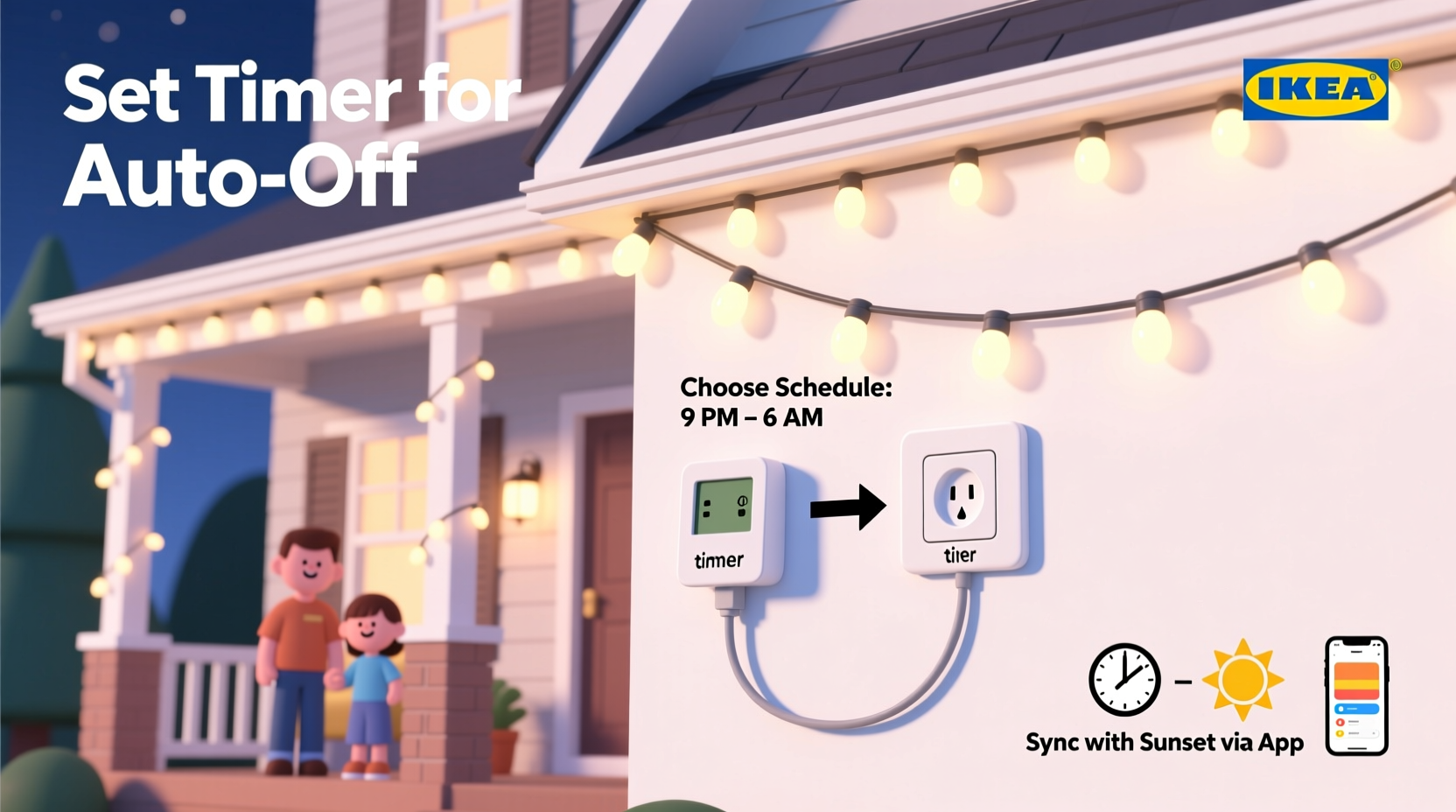
Manual control of holiday lights may seem manageable at first, but it quickly becomes inconsistent. Forgetting to turn lights off is common, especially during busy holiday weeks. Automation solves this problem by ensuring lights operate only during desired hours—typically from dusk until 11 p.m. or midnight.
Beyond convenience, automation offers tangible benefits:
- Energy efficiency: LED lights are energy-efficient, but running them 24/7 still adds up. Turning them off during unused hours reduces consumption.
- Safety: Overheating risks are minimized when lights aren’t left on for extended periods, especially older incandescent sets.
- Bulb longevity: Reducing operational hours extends the life of your lights, helping them last multiple seasons.
- Neighborly consideration: Bright displays left on all night can disturb nearby homes. Timed shutoffs show respect for shared spaces.
- Security perception: Automated lighting can mimic occupancy patterns, enhancing home security during vacations.
“Automating holiday lights isn’t just about saving energy—it’s about creating a reliable, professional-looking display with zero daily effort.” — Mark Reynolds, Home Automation Consultant
Step-by-Step Guide to Set Up Automatic Shutoff
Setting up automatic shutoff doesn’t require technical expertise. Follow these steps to get your lights on a consistent schedule.
- Assess your display setup: Identify how many strands you have, where they’re plugged in, and whether they run indoors or outdoors. Note outlet locations and power strip usage.
- Determine your ideal on/off times: Most people prefer lights on between 5 p.m. and 11 p.m., aligning with dusk and family activity hours. Choose a consistent end time to avoid late-night glow.
- Select your automation method: Choose between mechanical timers, digital timers, or smart plugs based on your needs and budget.
- Install the timer or smart device: Plug your lights into the timer or smart plug, then connect that to the wall outlet. Ensure outdoor-rated equipment is used outside.
- Program your schedule: Set start and end times according to your preferences. Test the system for two evenings to confirm reliability.
- Monitor and adjust: As daylight changes, update your schedule if necessary—especially if using non-dusk-sensing devices.
Choosing the Right Timer or Smart Device
Not all timers are created equal. The right choice depends on your level of control, budget, and technical comfort.
| Type | Best For | Pros | Cons |
|---|---|---|---|
| Mechanical Plug-in Timer | Basic setups, single circuits | Affordable, easy to use, no Wi-Fi needed | Limited precision, manual adjustment required, less durable outdoors |
| Digital Programmable Timer | Precise scheduling, multiple on/off cycles | Accurate timing, supports multiple events per day | More complex interface, limited remote access |
| Smart Plug with App Control | Remote management, integration with voice assistants | Control via smartphone, works with Alexa/Google, customizable schedules | Requires Wi-Fi, higher cost, needs power backup for outages |
| Photocell (Dusk-to-Dawn) Sensor Timer | Natural lighting alignment, hands-off operation | Turns on at sunset, off at sunrise or set time; adjusts daily | Less control over exact shutoff; sensor may be blocked by snow or decorations |
For most homeowners, a smart plug offers the best balance of control and convenience. Devices like the TP-Link Kasa Smart Plug or Amazon Smart Plug allow scheduling, vacation modes, and even geofencing—turning lights off when your phone leaves the area.
Real Example: A Suburban Family’s Lighting Routine
The Thompsons in Columbus, Ohio, maintain a large front-yard display with inflatables, roofline lights, and pathway markers. In past years, someone had to remember to turn everything off each night—often forgotten until midnight. Last season, they installed three outdoor-rated smart plugs connected to different zones.
Using the Kasa app, they programmed all lights to turn on at 5:30 p.m. and off at 11 p.m. They also enabled “Away Mode” during their weekend trip, randomizing the schedule to simulate presence. Not only did their energy bill drop by $18 compared to the previous year, but neighbors complimented the consistency of the display.
“It’s one less thing to worry about,” said Sarah Thompson. “We can enjoy the holidays instead of playing lighting police every night.”
Advanced Tips for Precision Timing
Once basic automation is in place, consider these enhancements for greater efficiency and impact.
- Use dual-timer setups: Combine a photocell sensor with a programmable timer to turn lights on at dusk but off at a fixed hour (e.g., 11 p.m.), avoiding all-night operation.
- Create seasonal schedules: Update your timer settings weekly as sunset times shift. Smart apps often allow recurring weekly schedules with one-time overrides.
- Group by voltage and load: Avoid overloading a single timer. Check wattage ratings—most timers support up to 1,800 watts (15 amps). Spread high-draw items across multiple units.
- Label your timers: If using multiple devices, label each with its corresponding zone (e.g., “Front Roof,” “Tree Lights”) for easier troubleshooting.
- Test before full deployment: Run a 24-hour test to ensure all connections hold and schedules execute correctly, especially in cold weather.
Checklist: Setting Up Automatic Christmas Light Shutoff
Follow this checklist to ensure a smooth, reliable installation:
- ☐ Inventory all light strands and note total wattage per circuit
- ☐ Choose appropriate timer type (mechanical, digital, smart, or sensor-based)
- ☐ Verify outdoor compatibility (weather-resistant casing, GFCI protection)
- ☐ Plug lights into timer or smart plug
- ☐ Connect timer to grounded wall outlet (indoor or outdoor-rated)
- ☐ Program on time (e.g., 5 p.m.) and off time (e.g., 11 p.m.)
- ☐ Test operation for at least two evenings
- ☐ Adjust for daylight changes mid-season if needed
- ☐ Label each timer for easy identification
- ☐ Store instructions and device info in a holiday prep folder for next year
Frequently Asked Questions
Can I use a regular indoor timer for outdoor Christmas lights?
No. Indoor timers lack weatherproofing and can pose electrical hazards when exposed to moisture. Always use outdoor-rated timers or smart plugs labeled for exterior use, and plug them into GFCI-protected outlets.
Will using a timer damage my LED lights?
No. In fact, using a timer helps preserve LED lifespan by reducing total operating hours. LEDs are designed for frequent cycling, so turning them on and off daily does not cause wear.
How do I handle power outages?
Mechanical and digital timers may lose settings during outages. Smart plugs often restore schedules automatically if the hub remains powered. To prevent issues, consider using a small UPS (uninterruptible power supply) for critical timers or reprogram immediately after an outage.
Conclusion: Enjoy the Holidays Without the Hassle
Timing your Christmas light display to turn off automatically transforms holiday decorating from a chore into a seamless experience. With the right tools—whether a $10 mechanical timer or a Wi-Fi-enabled smart plug—you gain peace of mind, save energy, and maintain a polished, respectful display.
The few minutes spent setting up automation pay dividends throughout the season. No more late-night trips to unplug cords. No more guilt over wasted electricity. Just beautiful, timed lighting that enhances your home and spreads cheer—exactly when it should.




 浙公网安备
33010002000092号
浙公网安备
33010002000092号 浙B2-20120091-4
Comments
No comments yet. Why don't you start the discussion?