
Cat owners love the companionship, playfulness, and quiet affection their feline friends bring—until they come home to shredded upholstery. Scratching is a natural behavior for cats, deeply rooted in instinct, but when it targets your favorite couch, frustration sets in fast. The good news: you don’t have to choose between a happy cat and an intact sofa. With patience, consistency, and a few strategic changes, you can redirect your cat’s scratching habits effectively and humanely.
Understanding why cats scratch is the first step toward solving the problem. It’s not about destruction; it’s about communication, physical maintenance, and emotional regulation. Once you see scratching through your cat’s eyes, you’ll be better equipped to guide them toward acceptable alternatives.
Why Cats Scratch Furniture (And Why They Won’t Just Stop)
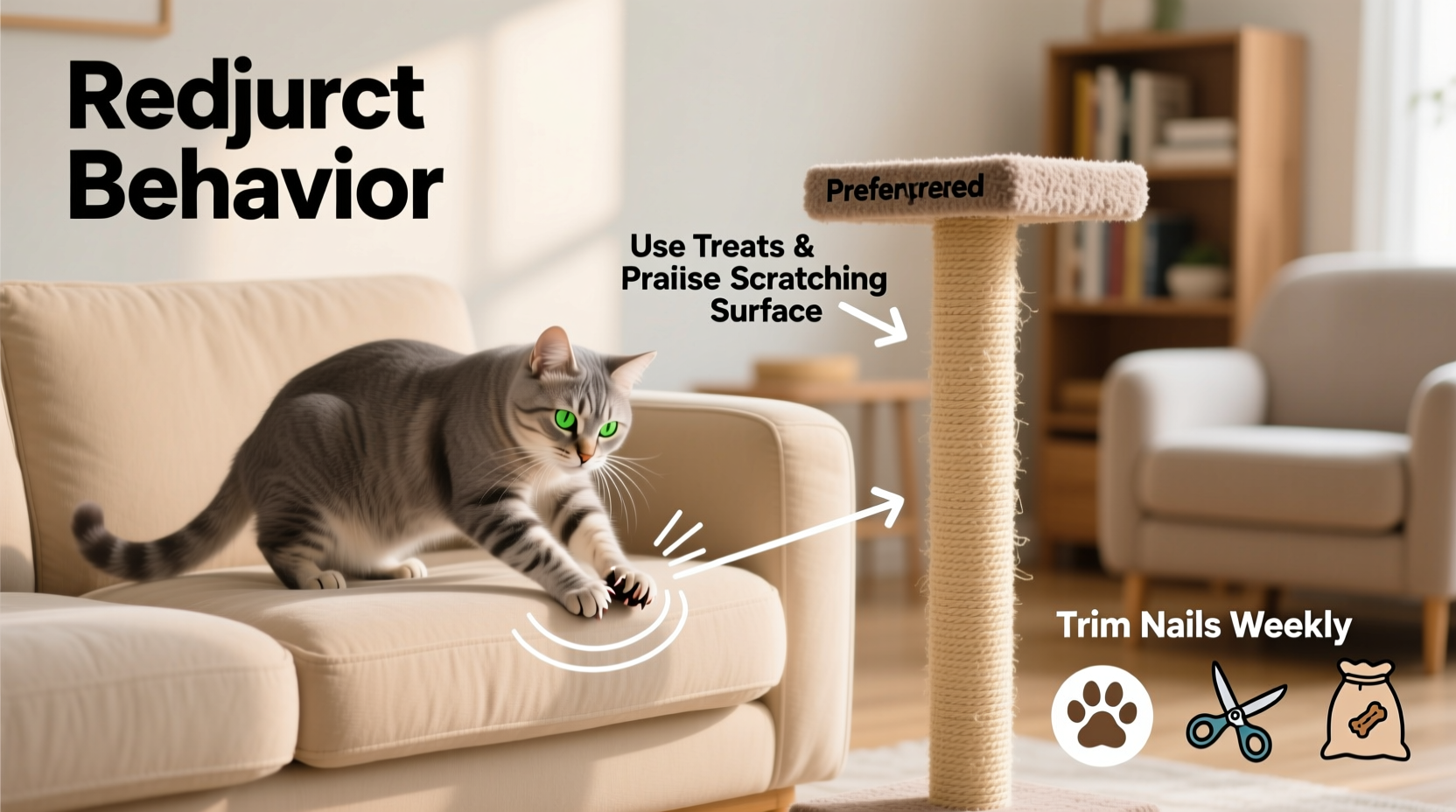
Scratching isn’t a behavioral flaw—it’s a fundamental part of feline nature. Cats scratch for several biological and psychological reasons:
- Claw Maintenance: Scratching removes the outer layer of dead claws, keeping them sharp and healthy.
- Marking Territory: Cats have scent glands in their paws. Each swipe leaves behind a subtle chemical signature, marking the area as theirs.
- Stretching and Exercise: A full-body stretch while scratching helps maintain muscle tone and joint flexibility.
- Stress Relief: Repetitive motion like scratching can be calming during times of anxiety or change.
- Habit Reinforcement: Once a cat associates a piece of furniture with scratching, the behavior becomes routine due to muscle memory and territorial reinforcement.
Simply yelling “no” or covering the couch with aluminum foil may interrupt the act temporarily, but without addressing the underlying needs, your cat will likely return to the scene of the crime. Effective training requires replacing the undesirable behavior with a more appropriate outlet—not suppressing the instinct altogether.
“Scratching is not a discipline issue—it’s a communication tool. Redirect, don’t punish.” — Dr. Sarah Thompson, Feline Behavior Specialist
Step-by-Step Guide to Redirecting Couch Scratching
Changing your cat’s behavior takes time and consistency. Follow this 6-week timeline to gradually shift your cat’s attention from the couch to approved scratching surfaces.
- Week 1: Assess and Identify Triggers
Observe when and where your cat scratches. Is it after waking up? When guests arrive? Note patterns. Also, determine if the couch is targeted because of its texture (sisal-like weave), height (allows full stretch), or location (near sleeping or lounging areas). - Week 2: Introduce Alternative Scratching Posts
Place sturdy scratching posts near the couch—especially at angles or corners your cat favors. Choose vertical posts at least 30 inches tall so your cat can fully extend. Materials like sisal rope, corrugated cardboard, or natural wood are most appealing. - Week 3: Make the Couch Less Appealing (Temporarily)
Use deterrents such as double-sided tape, plastic carpet runners (nubby side up), or temporary covers made of smooth fabric. Avoid sprays with strong citrus scents unless tested for safety—some cats react poorly. - Week 4: Encourage Use of the Scratching Post
Sprinkle catnip on the post or use silver vine. Gently place your cat near it after naps or meals—times when they naturally want to stretch. Reward with treats or praise when they interact with it. - Week 5: Reinforce Positive Habits
Gradually reduce deterrents on the couch as your cat uses the post consistently. Continue rewarding desired behavior. If relapses occur, re-evaluate placement or stability of the post—wobbly ones are untrustworthy to cats. - Week 6: Monitor and Maintain
By now, your cat should prefer the post. Keep it well-maintained—replace worn cardboard inserts or re-wrap sisal as needed. Rotate locations slightly every few months to keep interest high.
Choosing the Right Scratching Alternatives
Not all scratching posts are created equal. Many commercial options fail because they’re too short, unstable, or made from materials cats dislike. Use the table below to compare features and select the best option for your home and cat’s preferences.
| Scratcher Type | Best For | Pros | Cons |
|---|---|---|---|
| Vertical Sisal Post | Cats who stretch upward | Durable, mimics tree bark, supports full-body stretch | Requires floor space, must be anchored |
| Cardboard Scratcher (Flat or Inclined) | Indoor cats, budget-friendly option | Inexpensive, replaceable, often infused with catnip | Wears out quickly, less stable for heavy cats |
| Horizontal Carpet Pad | Cats who dig into floors or low furniture | Low profile, blends into room decor | May encourage floor scratching if not monitored |
| Multi-Level Cat Tree | Active cats, multi-cat households | Combines scratching, climbing, hiding, and resting | Bulky, expensive, may still attract clawing on nearby furniture |
| Wall-Mounted Scratching Panels | Small spaces, modern interiors | Space-saving, durable, can be customized | Installation required, limited stretch range |
When introducing new scratchers, place them in high-traffic zones—near the couch, by the bedroom door, or beside a window perch. Cats prefer accessible, visible spots where they can mark territory and stay alert.
Common Mistakes That Undermine Training Success
Even well-meaning owners unknowingly sabotage their efforts. Avoid these pitfalls:
- Punishing the Cat: Hissing, spraying water, or tapping the nose creates fear and distrust. It doesn’t teach what to do instead—it only teaches the cat to avoid you during scratching.
- Using Flimsy Scratching Posts: Wobbling or tipping posts scare cats. A secure base is non-negotiable.
- Placing Scratcher Too Far Away: If the alternative is across the room, your cat won’t make the effort mid-stretch. Proximity matters.
- Neglecting Nail Trims: Long claws increase damage and may make scratching more urgent. Trim every 2–3 weeks using pet-safe clippers.
- Removing Deterrents Too Soon: Premature removal of tape or covers leads to relapse. Wait until consistent use of the scratcher lasts at least two weeks.
Real-Life Example: Turning Around a Chronic Couch Scratcher
Samantha adopted Luna, a three-year-old tabby, from a shelter. Within days, Luna began shredding the arm of her linen sofa. Samantha tried sticky tape, sprays, and verbal corrections, but nothing worked. After consulting a veterinary behaviorist, she revised her approach.
She purchased a 36-inch sisal post with a stable base and placed it directly beside the damaged armrest. She rubbed silver vine on the post and used a feather toy to lure Luna into swatting and scratching it. Each time Luna used the post—even briefly—she received a small treat.
After one week, Luna was using the post daily. By week four, she had stopped approaching the couch for scratching. Samantha then removed the deterrents and added a second post near the bedroom. Six months later, the couch remains intact, and Luna has two favorite scratchers she rotates between.
The key wasn’t force—it was redirection, timing, and consistency.
Checklist: How to Successfully Train Your Cat
Use this checklist to ensure you're covering all bases in your training plan:
- ✅ Observe your cat’s scratching patterns (timing, location, posture)
- ✅ Purchase at least one sturdy, tall scratching post made of sisal or cardboard
- ✅ Place the post within 1–2 feet of the targeted furniture
- ✅ Apply catnip or silver vine to attract initial interest
- ✅ Use positive reinforcement (treats, praise) when your cat uses the post
- ✅ Apply temporary deterrents to the couch (tape, plastic mat)
- ✅ Trim your cat’s nails every 2–3 weeks
- ✅ Monitor progress weekly and adjust placement or type of scratcher as needed
- ✅ Replace worn scratchers before they lose appeal
- ✅ Be patient—behavior change takes 4–6 weeks
Frequently Asked Questions
Can I ever let my cat scratch the couch at all?
No surface should be completely off-limits forever if it meets your cat’s needs. However, if you allow occasional scratching, provide a designated “scratching zone” using a removable cover or attached sisal panel. This way, your cat gets approval in one spot, reducing temptation elsewhere.
Are soft paws or nail caps a good alternative?
Soft Paws® and similar vinyl nail caps can help protect furniture while you train your cat. They last 4–6 weeks and are safe when applied correctly. They don’t stop scratching behavior but reduce damage. Combine them with environmental redirection for best results.
What if my multi-cat household has different scratching habits?
In homes with multiple cats, provide one scratcher per cat plus one extra. Place them in different zones to prevent competition. Dominant cats may claim certain areas, so distribute options widely. Watch for signs of stress or avoidance, which could indicate conflict over resources.
Conclusion: A Peaceful Home Is Possible
Training a cat to stop scratching the couch isn’t about domination—it’s about partnership. Your cat isn’t defying you; they’re acting on deep-seated instincts. When you meet those needs responsibly, both you and your pet benefit. The couch stays intact, and your cat feels secure, marked, and physically satisfied.
Start today: observe your cat’s habits, invest in the right scratcher, and respond with patience. Small, consistent actions lead to lasting change. You don’t need to live with shredded cushions or guilt over scolding your pet. With the right strategy, harmony is within reach.




 浙公网安备
33010002000092号
浙公网安备
33010002000092号 浙B2-20120091-4
Comments
No comments yet. Why don't you start the discussion?