
Teaching a parrot to speak clearly is not a matter of luck or chance—it’s the result of patience, repetition, and structured interaction. While some species are naturally more vocal than others, every parrot capable of mimicking human speech can be trained effectively when approached with consistency and understanding. Unlike passive exposure to sounds, intentional training creates neural pathways that help your bird associate words with context, tone, and reward. This guide outlines proven, science-informed methods used by avian behaviorists and experienced trainers to achieve crisp, understandable speech in pet parrots.
The Science Behind Parrot Speech
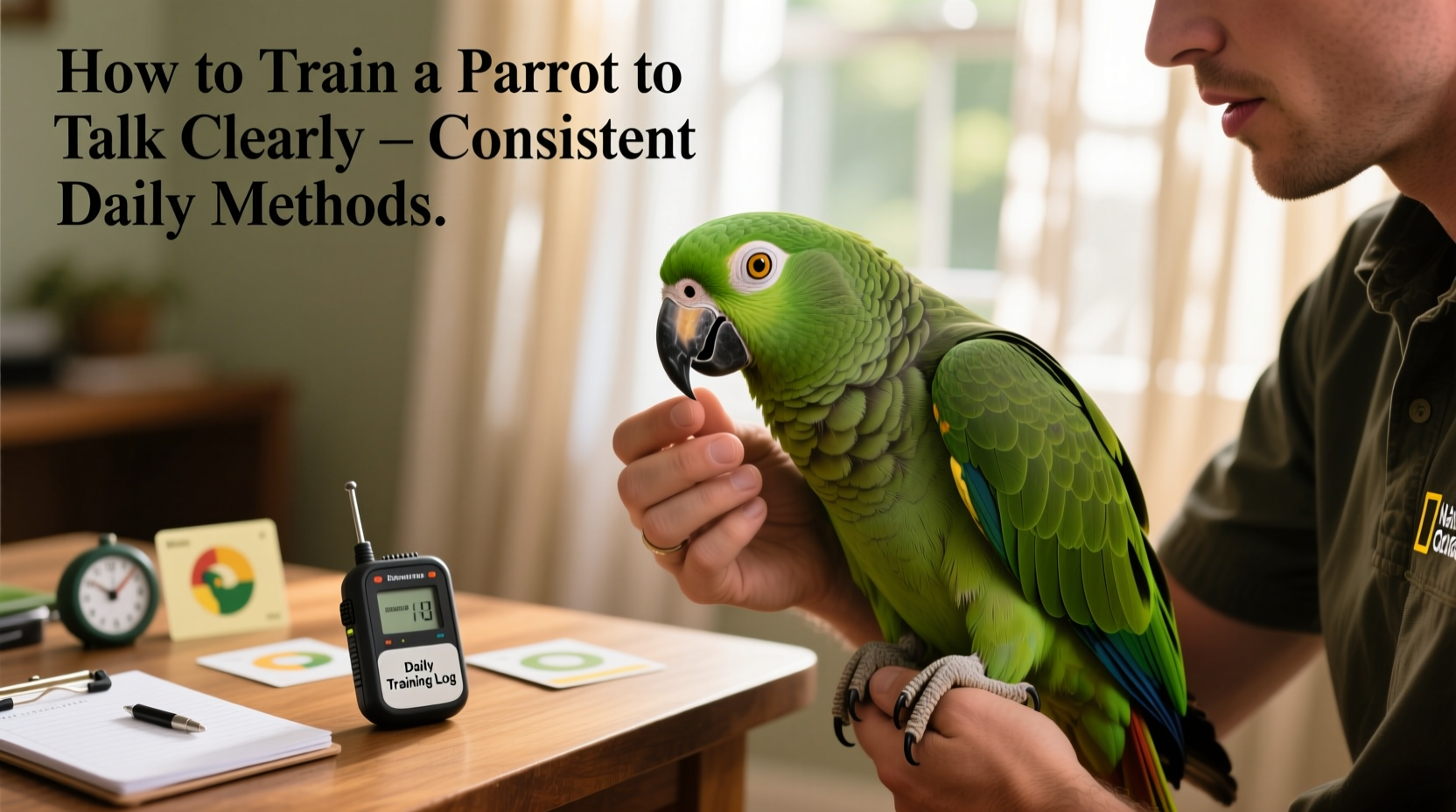
Parrots do not “understand” language the way humans do, but they possess an extraordinary ability to mimic sounds through a specialized vocal organ called the syrinx. Located at the base of the trachea, this structure allows birds to produce complex tones and modulate pitch independently in each bronchus. Species like African Greys, Amazon parrots, and Budgerigars have demonstrated advanced vocal learning capabilities, often reproducing phrases with near-human clarity.
Neurological studies show that parrots use brain regions analogous to human language centers when processing and imitating sounds. These areas become more active during social interaction, especially when positive reinforcement follows vocal attempts. This means that emotional engagement—eye contact, tone variation, and rewards—is critical to successful training.
“Parrots learn best through social reinforcement. They’re not just repeating sounds—they’re trying to communicate with you.” — Dr. Irene Pepperberg, Avian Cognition Researcher, Harvard University
Daily Training Framework: A 6-Week Timeline
Consistency is the cornerstone of effective parrot speech training. A structured daily routine leverages the bird’s natural inclination for pattern recognition and social bonding. The following step-by-step timeline provides a realistic progression from initial sound exposure to clear, repeatable words.
- Days 1–7: Build Trust & Isolate Target Words
Select one simple word (e.g., “hello”) and use it consistently during greetings. Say it slowly and clearly three times per interaction, followed by eye contact and a treat. Limit sessions to 5 minutes, twice daily. - Days 8–14: Reinforce with Contextual Repetition
Use the target word in real situations—say “hello” every time you enter the room. Pair it with a gesture (like waving) to strengthen association. Begin recording your voice saying the word for playback during downtime. - Days 15–21: Introduce Imitation Games
After saying the word, pause expectantly. If your parrot makes any sound resembling it—even a squeak—immediately reward with a seed or praise. Do not correct; only reinforce approximations. - Days 22–35: Expand Vocabulary Gradually
Add a second word (e.g., “good”) only after the first is reliably repeated. Use both words in short sequences (“Hello, good!”). Avoid overlapping too many new terms. - Days 36–42: Encourage Spontaneous Use
Stop initiating the phrase. Wait for your parrot to say it first. When it does, respond enthusiastically and reward immediately. This shifts the bird from mimicry to intentional communication.
Optimal Techniques for Clarity Development
Many owners report their parrots “mumbling” or producing garbled speech. This typically stems from poor enunciation modeling or inconsistent feedback. To improve clarity, focus on these key techniques:
- Slow and Exaggerated Diction: Speak the target word with over-enunciated syllables. For example, say “HEL-lo” with a noticeable pause between syllables. This helps the bird isolate phonetic components.
- Single-Tone Pitch: Use a mid-range, steady pitch without inflection. High-pitched or singsong tones are harder for parrots to replicate accurately.
- Immediate Positive Reinforcement: Reward within two seconds of any vocal attempt. Delayed rewards weaken associative learning.
- Minimal Background Noise: Train in a quiet room free from TV, music, or other pets. Distractions reduce auditory focus.
- Voice Recording Playback: Record yourself saying the word clearly and play it on loop at low volume during the day. Ensure the parrot associates the sound with your presence initially before using recordings alone.
Choosing the Right First Words
Start with high-frequency, emotionally relevant words that occur naturally in your daily routine. These create stronger contextual links and increase motivation to repeat.
| Recommended Starter Words | Why They Work | Example Usage |
|---|---|---|
| Hello | Used frequently during interactions; socially reinforcing | Say upon entering the room |
| Good | Short, clear vowel-consonant blend; often paired with treats | After desired behavior |
| Name | Personal relevance increases attention and repetition | Call bird’s name before offering food |
| Want | Functional; can lead to phrase-building later (e.g., “want nut”) | Before giving a favorite item |
Common Mistakes That Hinder Progress
Even well-meaning owners unknowingly sabotage training efforts. Recognizing and avoiding these pitfalls can dramatically accelerate results.
| Mistake | Consequence | Correct Approach |
|---|---|---|
| Using multiple voices or accents | Confuses auditory processing | One primary trainer speaks consistently |
| Introducing too many words at once | Overwhelms memory retention | Master one word before adding another |
| Punishing incorrect sounds | Creates fear and suppresses vocalization | Ignore errors; only reward attempts |
| Training while distracted | Reduces social engagement cues | Face the bird, make eye contact, minimize multitasking |
| Expecting rapid results | Leads to frustration and inconsistency | Accept gradual progress; celebrate small improvements |
Real Example: Training Charlie the African Grey
Mark, a parrot owner in Portland, adopted a 2-year-old African Grey named Charlie who had never spoken. After consulting an avian behaviorist, he implemented a strict 6-week protocol based on daily consistency.
He chose “hello” as the first word and said it slowly each time he entered the room, always followed by a sunflower seed and verbal praise. He avoided using the word elsewhere. Within 10 days, Charlie began making soft clicking sounds after hearing “hello.” Mark rewarded every attempt. By day 18, Charlie produced a faint “heh-lo,” and by week six, he greeted visitors clearly with “Hello!” unprompted.
The turning point came when Mark stopped initiating the word. One morning, Charlie called out first. That spontaneous use confirmed true learning—not just mimicry.
“It wasn’t about how much I talked to him. It was about how consistently I responded when he tried.” — Mark R., parrot owner
Essential Training Checklist
To ensure you’re covering all bases, follow this actionable checklist every day:
- ✅ Choose one target word for the current phase
- ✅ Practice two 5-minute sessions at peak alertness times
- ✅ Use slow, clear pronunciation with consistent tone
- ✅ Provide immediate reward (treat or praise) for vocal attempts
- ✅ Minimize background noise during training
- ✅ Record progress weekly (audio notes help track clarity improvement)
- ✅ Avoid introducing new words until the current one is mastered
- ✅ Maintain calm, positive energy—never force or scold
Frequently Asked Questions
How long does it take for a parrot to start talking clearly?
Most parrots begin making recognizable attempts within 2–4 weeks of consistent daily training. Clear, accurate speech typically emerges between 6–12 weeks, depending on species, age, and social engagement. Younger birds generally learn faster, but older parrots can still acquire new words with patience.
Can all parrot species learn to talk clearly?
No. While many parrots produce sounds, only certain species have the cognitive and vocal capacity for human-like speech. African Greys, Yellow-Naped Amazons, and male Budgerigars are among the clearest talkers. Cockatiels and Quakers may mimic phrases but with less articulation. Always research your species’ potential before setting expectations.
Should I use recordings or videos to train my parrot?
Only after live interaction has begun. Recordings lack social context and can confuse birds if used too early. Once your parrot associates a word with you, supplemental audio playback (of your own voice) can reinforce learning during unsupervised hours. Avoid using cartoon voices or fast-paced videos—they distort natural speech patterns.
Conclusion: Clarity Through Consistency
Training a parrot to speak clearly isn't about quick tricks or random repetition. It's built on a foundation of trust, timing, and deliberate practice. Each session strengthens the bond between you and your bird while shaping its ability to communicate in a human context. Success doesn’t come from how many hours you spend, but from how consistently and mindfully you engage.
Start small. Pick one word. Repeat it with purpose. Reward every effort. Over time, those small moments accumulate into remarkable breakthroughs. Your parrot isn’t just learning to talk—it’s learning to connect.




 浙公网安备
33010002000092号
浙公网安备
33010002000092号 浙B2-20120091-4
Comments
No comments yet. Why don't you start the discussion?