
Puppies explore the world with their mouths. Biting during play is normal behavior—it’s how they learn about texture, pressure, and social boundaries. But when those sharp little teeth latch onto human skin, it can be painful and problematic. The instinct for many owners is to yell or physically correct the behavior, but this approach often backfires, increasing fear or excitement. Instead, effective training relies on patience, consistency, and humane techniques that teach puppies what *is* acceptable—not just what isn’t.
Training a puppy not to bite hands during play doesn’t require dominance or intimidation. It requires understanding puppy development and using clear communication through positive reinforcement. With the right strategy, you can redirect your puppy’s energy, reinforce gentle interactions, and build trust—without raising your voice.
Understanding Why Puppies Bite Hands
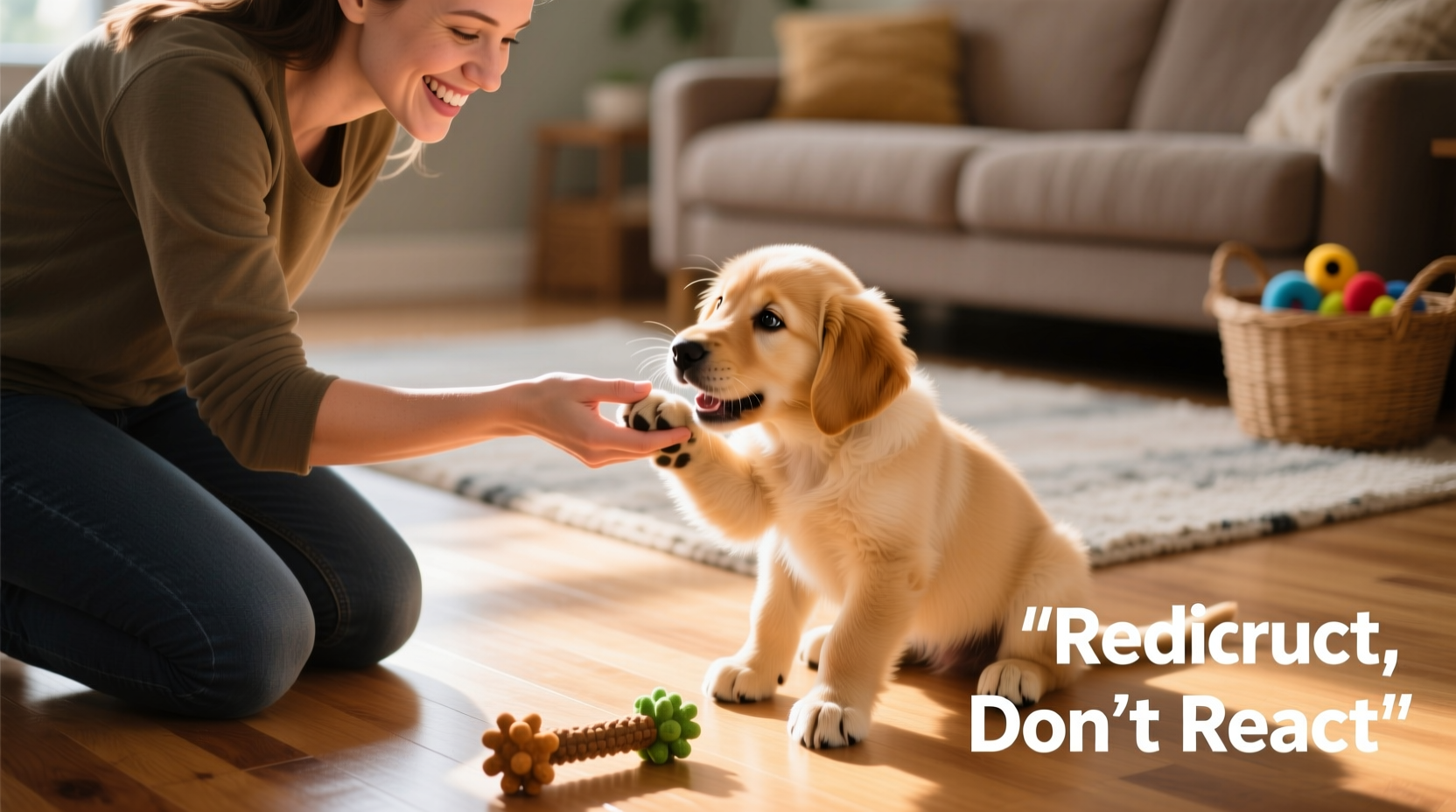
Biting during play is rooted in natural canine behavior. In the wild, puppies use their mouths during social interaction with littermates. They learn bite inhibition—the ability to control the force of their jaws—through feedback from siblings who yelp or stop playing when bitten too hard. This early socialization teaches them how to interact safely within a pack.
When a puppy joins a human household, they don’t automatically transfer these lessons to people. To them, fingers, toes, and sleeves are just as interesting as chew toys. Without proper guidance, they may continue biting into adulthood, especially if the behavior has been inconsistently reinforced—such as being scolded sometimes and laughed at other times.
It's important to recognize that mouthing isn't aggression. It’s exploration, teething relief, and play combined. Addressing it effectively means teaching an alternative, not punishing curiosity.
The Problem with Yelling (And What It Teaches)
Yelling may seem like an immediate way to stop biting, but it often does more harm than good. Dogs, especially young ones, don’t interpret tone the way humans do. A loud voice can either escalate excitement—making the puppy think it’s part of the game—or trigger fear, leading to anxiety-based behaviors later on.
Worse, yelling creates negative associations with human interaction. If every time your puppy gets excited and bites, you respond with a shout, they may begin to associate playtime with stress. Over time, this can erode trust and make training more difficult.
“Punishment-based methods may suppress behavior temporarily, but they don’t teach the dog what to do instead. Positive reinforcement builds lasting skills.” — Dr. Sophia Yin, DVM, Applied Animal Behaviorist
Instead of suppressing behavior through fear, focus on shaping desired actions. Replace unwanted habits with better alternatives through redirection, timing, and consistency.
Step-by-Step Guide to Stop Hand Biting Without Yelling
Changing your puppy’s biting habit takes time—typically several weeks of consistent effort. Follow this structured approach to encourage gentle play and discourage hand mouthing.
- Recognize the triggers. Most biting occurs during high-energy play, when attention-seeking, or when the puppy is overtired. Observe patterns: Does your puppy bite after running around? When you try to pet them? Identifying triggers helps you intervene early.
- Use immediate redirection. The moment your puppy mouths your hand, say “Oops!” or “Ah-ah!” in a calm, neutral tone—never angry—and immediately offer an appropriate chew toy. Praise enthusiastically when they take it. This teaches: “Hands aren’t for biting, but toys are.”
- End play if biting continues. If your puppy ignores the toy and resumes biting, stand up, turn away, and leave the room for 20–30 seconds. No eye contact, no talking. This mimics how littermates end play when bitten too hard. Consistency is key—every bite ends play.
- Reward gentle behavior. Whenever your puppy licks or nudges your hand softly, mark it with a “Yes!” or clicker and give a treat. Reinforce the contrast between soft and rough contact.
- Practice controlled touch exercises. Sit calmly and let your puppy sniff your hand. Reward any non-biting interaction. Gradually increase duration. This builds tolerance and reinforces self-control.
- Rotate chew toys regularly. Keep a variety of textures (rope, rubber, plush) and rotate them weekly to maintain interest. Frozen washcloths or chew toys filled with peanut butter (xylitol-free) can soothe teething pain and reduce biting motivation.
Do’s and Don’ts: Raising a Gentle Puppy
| Do | Don’t |
|---|---|
| Use toys to redirect biting | Wave hands near the puppy’s face during play |
| Calmly end play when biting occurs | Yell, slap, or hold the puppy’s mouth shut |
| Offer frozen chew toys for teething relief | Use physical punishment or dominance tactics |
| Practice short, frequent training sessions | Ignore repeated biting or laugh it off |
| Reinforce soft mouthing with praise | Let children tease or run from the puppy |
Real Example: Training Luna the Border Collie Mix
Luna, a 12-week-old Border Collie mix, joined her new home full of energy. Her owners loved playing tug-of-war with their hands, which quickly turned into nipping during any interaction. Within days, arms were covered in scratches.
They decided to change their approach. First, they stopped all hand-based play. Instead, they kept a rope toy by the couch and in the bedroom. When Luna lunged at their hands, one owner would say “Too bad!” and walk out of the room for 30 seconds. The other introduced the toy with excitement: “Here’s something better!”
At first, Luna chased them after exits, but within five repetitions, she began anticipating the toy. After two weeks, she’d grab the rope the moment someone sat down. By week six, hand mouthing had dropped by over 90%. The family reported stronger bonding and calmer play overall.
The turning point wasn’t discipline—it was clarity. Luna learned that gentle play led to continued fun, while biting ended it.
Essential Tools for Success: Your Anti-Biting Toolkit
You don’t need expensive gear, but having the right tools makes training smoother:
- Durable chew toys: Rubber Kongs, rope knots, and teething rings withstand aggressive chewing.
- Treat pouch: Keeps rewards accessible during training sessions.
- Leash indoors: A 4–6 foot leash allows gentle interruption without chasing. If your puppy bites, say “Game over,” gently guide them to a timeout area, then release.
- Consistent schedule: Short sessions (5–10 minutes) multiple times a day reinforce learning better than long, infrequent ones.
“Puppies don’t misbehave to annoy us—they behave based on what’s been reinforced. Change the reinforcement, change the behavior.” — Karen Pryor, Author & Animal Training Pioneer
FAQ: Common Questions About Puppy Biting
Is it normal for my puppy to bite so much?
Yes. Mouthing is a natural part of puppy development, especially between 8–16 weeks. Combined with teething (which peaks around 12–16 weeks), puppies have strong urges to chew. The goal isn’t to eliminate mouthing entirely but to direct it appropriately.
How long does it take to stop hand biting?
With consistent training, most puppies show significant improvement within 2–4 weeks. However, occasional lapses may occur when tired, overstimulated, or meeting new people. Full mastery typically comes by 5–6 months as impulse control develops.
What if my puppy bites and won’t let go?
If your puppy clamps down and shakes, avoid pulling your hand away—it mimics prey movement and can encourage more biting. Instead, make a high-pitched “Yelp!” sound to mimic a hurt littermate, then freeze. Once they release, redirect to a toy. If they persist, end the interaction calmly and leave the room.
Building Long-Term Manners Through Patience
The foundation you lay now affects your dog’s behavior for life. Every interaction teaches something. If biting gets attention—even negative—your puppy learns it works. If calm behavior earns rewards, they’ll choose it more often.
Remember, puppies don’t generalize well. Just because your dog stops biting your left hand doesn’t mean they know not to bite your right hand, your child’s arm, or the neighbor’s leg. Generalization requires repetition across contexts: different people, locations, and situations.
Involve all household members in training. Everyone must respond the same way—no exceptions. Grandparents who think biting is “cute” undermine progress as much as yelling undermines trust.
Conclusion: Train with Calm Confidence
Teaching a puppy not to bite hands is one of the most important early lessons in responsible dog ownership. It sets the tone for safety, respect, and mutual enjoyment. You don’t need to yell, dominate, or scare your puppy into compliance. What you need is consistency, timing, and a clear plan.
Redirect to toys, end play when rules are broken, and reward the behaviors you want to see. Celebrate small wins—a soft lick, a quick grab of the toy, a moment of self-restraint. These moments add up to a well-mannered adult dog.




 浙公网安备
33010002000092号
浙公网安备
33010002000092号 浙B2-20120091-4
Comments
No comments yet. Why don't you start the discussion?