
Puppy biting is a natural behavior rooted in exploration, teething, and play. However, when that playful nip turns into ankle-chasing and persistent mouthing, it can become frustrating—and even dangerous if left unaddressed. The good news is that with patience, consistency, and the right approach, you can teach your puppy to redirect their biting instincts appropriately. This guide focuses on humane, science-backed strategies that prioritize your puppy’s emotional well-being while building trust and long-term obedience.
Understanding Why Puppies Bite Ankles
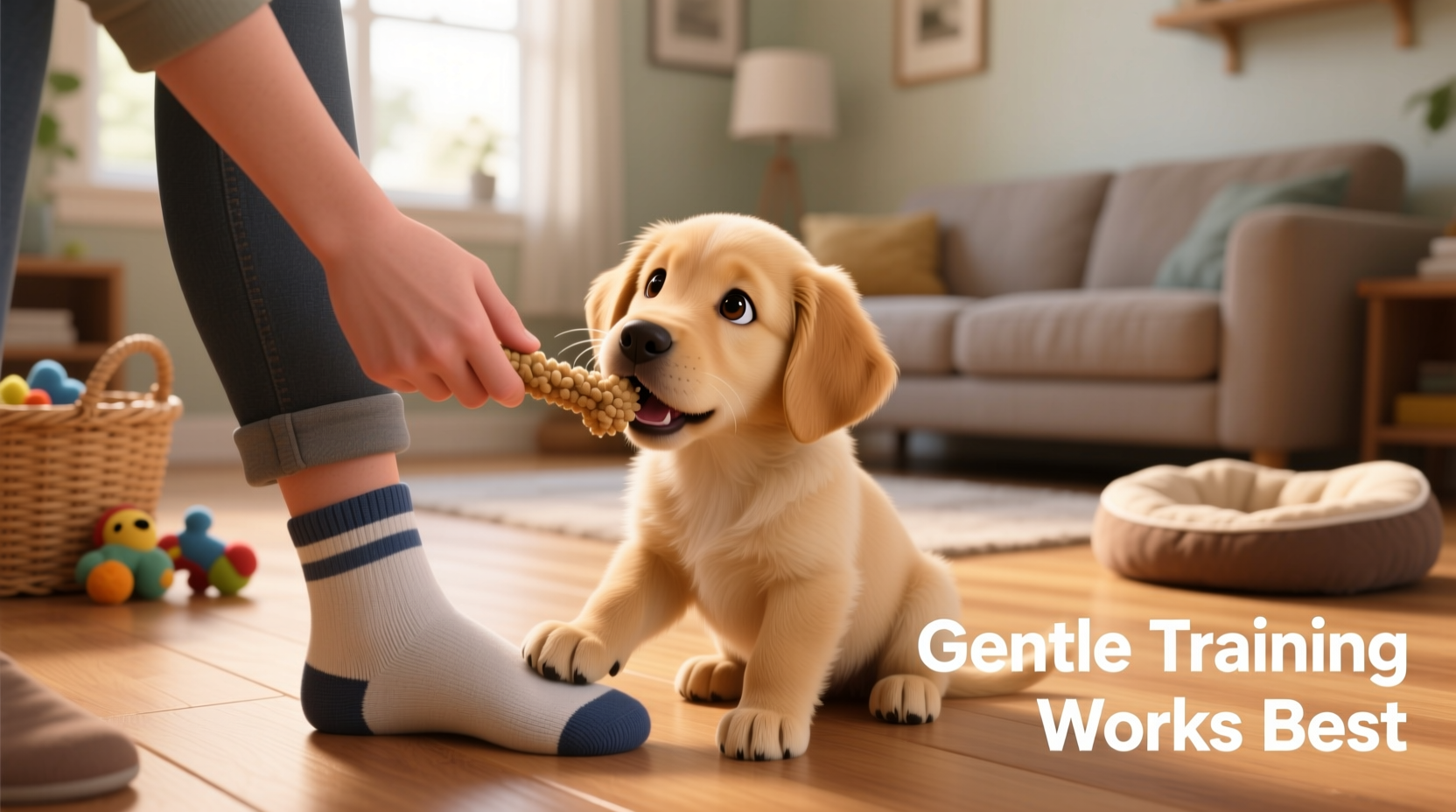
Puppies use their mouths to explore the world much like human babies use their hands. Biting isn’t typically aggressive; it’s often driven by curiosity, overstimulation, or an instinctual desire to play. When a puppy targets moving objects—like your feet or ankles—it’s usually because movement triggers their prey drive. Fast-moving shoes or socks resemble small animals darting across their field of vision, making them irresistible targets.
Teething also plays a major role. Between 3 and 6 months of age, puppies lose their baby teeth and grow adult ones. During this phase, chewing soothes sore gums and provides relief. Without appropriate chew toys, they may turn to whatever is within reach—including your ankles.
Gentle, Effective Training Techniques
The key to stopping ankle biting lies not in punishment, but in redirection and reinforcement. Harsh reactions like yelling or physical corrections can damage your bond and increase anxiety. Instead, focus on teaching what *to do* rather than just correcting what not to do.
1. Redirect Immediately
When your puppy lunges at your ankle, freeze in place and avoid pulling away—movement encourages pursuit. Calmly offer an acceptable alternative: a chew toy, tug rope, or treat-dispensing puzzle. Once they take the toy, praise them enthusiastically. Over time, they’ll learn that biting toys leads to rewards, while biting skin leads to stillness and no attention.
2. Use Time-Outs for Persistent Biting
If redirection fails, implement a brief time-out. Say “Oops” or “Too bad” in a neutral tone, then walk away or gently place the puppy in a safe, quiet area for 30–60 seconds. This teaches them that biting ends fun interactions. Be consistent: every bite results in an immediate pause. After the time-out, return and resume calmly—don’t scold.
3. Encourage Calm Behavior with Rewards
Reinforce moments when your puppy chooses not to bite. If they sniff your shoe but refrain from mouthing, say “Good choice” and offer a treat. Rewarding self-control builds impulse regulation—a crucial skill for long-term behavior change.
“Puppies don’t outgrow biting—they outgrow our tolerance for it. Consistent, kind training shapes lifelong habits.” — Dr. Sarah Wilson, Certified Applied Animal Behaviorist
Step-by-Step Guide to Stopping Ankle Biting
Follow this structured timeline to see measurable progress within 2–4 weeks. Success depends on daily practice and household-wide consistency.
- Days 1–3: Observe and Prepare
Track when biting occurs (e.g., after meals, during excitement). Stock up on durable chew toys and treats. Inform all family members about the training plan. - Days 4–7: Begin Redirection
Carry a toy at all times. When biting starts, freeze and present the toy. Reward engagement immediately. Practice short, controlled play sessions. - Weeks 2–3: Introduce Time-Outs
If redirection fails three times in a row, apply a 30-second time-out. Return and try again. Gradually reduce frequency as biting decreases. - Week 4: Fade Treats, Strengthen Cues
Start replacing treats with verbal praise and petting. Use cues like “Leave it” or “Find your toy” to prompt better choices. - Ongoing: Maintain and Generalize
Practice with different people, environments, and distractions. Continue reinforcing calm behavior daily.
Essential Do’s and Don’ts
| Do’s | Don’ts |
|---|---|
| Stay calm and consistent during training | Yell, hit, or grab the puppy’s mouth |
| Use high-value treats initially (e.g., chicken, cheese) | Wear floppy slippers or socks that trigger chasing |
| Rotate chew toys to maintain interest | Let biting continue to “toughen up” skin |
| Practice short training sessions (5–10 minutes) | Ignore the behavior hoping it will fade on its own |
| Involve all household members in training | Allow some people to play rough while others correct |
Real-Life Example: Turning Around Max’s Biting Habit
Max, a 14-week-old Australian Shepherd, bit his owner’s ankles every time she walked through the living room. Initially, she would yelp and pull her foot away, which only excited him more. After consulting a trainer, she implemented a new routine: she placed chew toys near doorways and carried one during transitions. When Max lunged, she froze, extended the toy, and praised him when he took it. If he refused, she walked into the kitchen and closed the door for 45 seconds. Within 10 days, Max stopped targeting her legs. By week three, he began grabbing his toy automatically when he felt playful. The key was consistency—everyone in the home followed the same rules.
Checklist: Daily Practices to Stop Puppy Biting
- ✅ Carry a chew toy at all times during active hours
- ✅ End play sessions before the puppy becomes overexcited
- ✅ Feed meals via food puzzles to satisfy oral needs
- ✅ Rotate 3–4 different textures of chew toys weekly
- ✅ Practice “leave it” and “go to your mat” commands daily
- ✅ Avoid running or sudden movements that trigger chasing
- ✅ Schedule short training bursts (2–3 per day)
- ✅ Ensure the puppy gets adequate mental and physical exercise
Exercise is critical. A tired puppy is less likely to engage in compulsive behaviors. Aim for age-appropriate activity: five minutes of focused play or training per month of age, twice a day. For a 4-month-old puppy, that’s two 20-minute sessions.
Frequently Asked Questions
Is ankle biting a sign of aggression?
No, in most cases, ankle biting is not aggression but exploratory or playful behavior. True aggression includes stiff body posture, growling, pinned ears, and avoidance of eye contact. If you observe these signs, consult a veterinary behaviorist immediately. Most ankle biting stems from excitement and poor impulse control, not malice.
How long does it take to stop a puppy from biting?
With consistent training, most puppies significantly reduce biting within 2–4 weeks. Full resolution often coincides with the end of the teething phase, around 6–7 months. However, sporadic nipping may occur during high-arousal situations (e.g., greeting guests), so ongoing reinforcement is essential.
Can I use bitter sprays on my shoes or ankles?
Bitter-tasting deterrents can be used cautiously on shoes or furniture edges, but never directly on skin. These sprays work best in combination with positive training—not as a standalone fix. Overreliance on aversives can confuse puppies and delay learning appropriate alternatives.
Building a Bite-Inhibited Companion
Bite inhibition—the ability to control jaw pressure—is one of the most important skills a puppy learns. It’s not just about stopping ankle attacks; it’s about raising a dog who understands boundaries and responds to human cues. Early training sets the foundation for social confidence and safety around children, other pets, and strangers.
One powerful method is the “yelp and withdraw” technique borrowed from littermate play. When bitten too hard, a puppy would yelp and stop playing, teaching bite control. You can mimic this: if teeth touch skin, let out a high-pitched “Ouch!” and immediately stop interacting for 10–15 seconds. This mirrors natural canine communication and helps puppies understand the impact of their jaws.
However, not all puppies respond to yelping—some interpret it as encouragement. Watch your puppy’s reaction. If they perk up or bite harder, switch to silence and stillness instead. Every puppy is different; adapt your approach accordingly.
Conclusion: Patience, Consistency, and Kindness Win
Stopping a puppy from biting ankles isn’t about dominance or force—it’s about guidance. With gentle redirection, consistent consequences, and plenty of appropriate outlets, your puppy will learn to channel their energy positively. Remember, this phase is temporary, but the trust and communication you build now will last a lifetime. Stay patient, stay calm, and celebrate small victories. Your puppy isn’t trying to annoy you—they’re trying to learn how to be part of your world.




 浙公网安备
33010002000092号
浙公网安备
33010002000092号 浙B2-20120091-4
Comments
No comments yet. Why don't you start the discussion?