
Cats have an innate need to scratch. It's not just about sharpening claws—it's essential for muscle stretching, stress relief, and territorial marking through scent glands in their paws. When your cat chooses your sofa or armchair over the scratching post you've provided, it’s not defiance; it’s communication. The right post isn’t just available—it must be appealing, accessible, and properly reinforced. Training a stubborn cat requires understanding feline instincts, consistency, and strategic environmental design. This guide walks you through science-backed methods to redirect your cat’s natural behavior effectively and humanely.
Understanding Why Cats Scratch Furniture
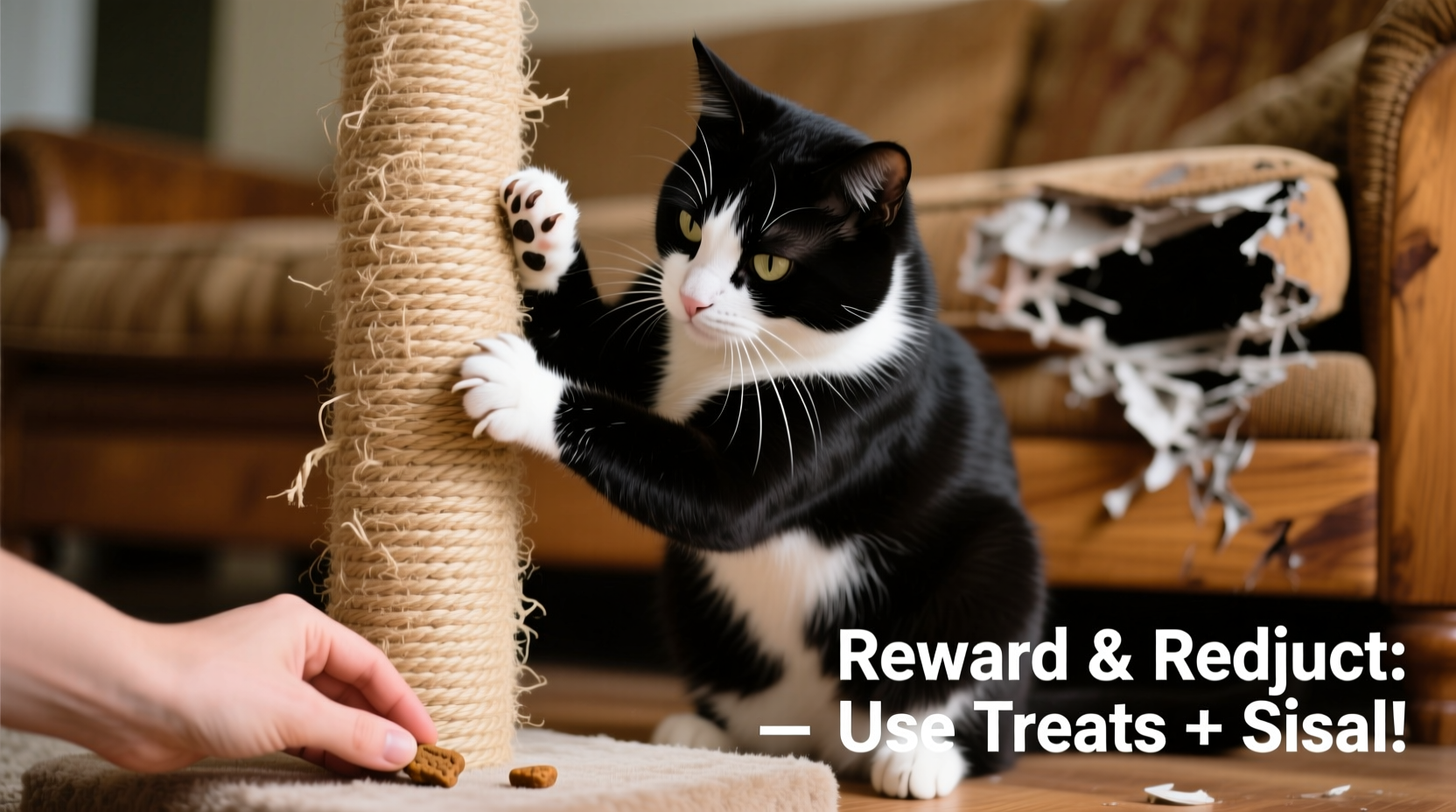
Before addressing the solution, it’s crucial to understand the root causes. Cats don’t scratch out of spite. Their behavior is driven by biological and psychological needs:
- Physical maintenance: Scratching removes dead outer layers of claws and conditions the nail bed.
- Muscle and joint health: The full-body stretch during scratching supports flexibility and circulation.
- Emotional regulation: Scratching helps cats release anxiety and mark safe zones via pheromones from their paw pads.
- Environmental preference: If the post doesn’t match the cat’s texture, height, or location preferences, they’ll ignore it.
A 2023 study published in the *Journal of Feline Medicine and Surgery* found that over 68% of cats who scratched furniture did so because their preferred scratching surface was either unavailable or poorly placed—not due to behavioral issues.
“Cats aren’t being destructive—they’re trying to meet a fundamental need. Our job is to make the right choice the easiest one.” — Dr. Sarah Thompson, DVM, Feline Behavior Specialist
Choosing the Right Scratching Post: Matching Your Cat’s Preferences
Not all scratching posts are created equal. A common mistake is assuming any vertical post will suffice. Cats vary widely in their material and orientation preferences. Some favor horizontal surfaces, others prefer tall vertical posts, and many like angled options.
| Scratching Material | Best For | Common Issues |
|---|---|---|
| Sisal rope | Ideal for most cats; durable, grippy texture | May fray over time if low-quality |
| Cardboard | Cats who prefer horizontal scratching | Wears out quickly; needs frequent replacement |
| Carpet | Kittens or cats raised on carpeted homes | Encourages scratching real carpet—avoid unless temporary |
| Wood | Durable option; often integrated into furniture | Too smooth unless textured; less appealing |
The ideal post should be at least 30 inches tall so your cat can fully extend while scratching. Stability is critical—the post shouldn’t wobble or tip. Place it near areas where your cat already scratches or spends time, such as beside the couch or near their sleeping spot.
Step-by-Step Guide to Redirect Scratching Behavior
Changing a persistent habit takes time, especially when instinct is involved. Use this 4-week timeline to transition your cat from furniture to the designated post.
- Week 1: Block Access & Introduce the Post
Cover scratched furniture with double-sided tape, aluminum foil, or a tightly fitted slipcover. These textures are unpleasant but harmless. Place the new scratching post directly in front of or beside the targeted furniture. Sprinkle catnip or use a silvervine spray to attract interest. - Week 2: Encourage Engagement
Sit nearby and gently guide your cat’s paws onto the post. Reward with treats or praise when they make contact. Use wand toys to encourage jumping and scratching upward. Play sessions ending near the post reinforce positive association. - Week 3: Reinforce Consistently
Whenever you see your cat approaching the furniture, quietly redirect them to the post. Never yell or punish. Instead, use a calm voice and treat reward when they comply. Continue using pheromone sprays like Feliway to reduce stress-related scratching. - Week 4: Fade Support & Monitor Progress
Gradually remove deterrents from furniture once consistent use of the post is observed. Keep the post in place and maintain its condition—replace worn sisal or refill cardboard scratchers. Add secondary posts in other high-traffic areas.
Why Punishment Doesn't Work
Yelling, spraying water, or tapping a cat’s nose may stop the behavior temporarily, but it damages trust and increases anxiety. Fear-based responses often lead to redirected scratching in hidden areas or inappropriate elimination. Positive reinforcement builds long-term compliance without emotional cost.
Real-Life Example: Turning Around a Stubborn Scratcher
Lena adopted a 3-year-old rescue cat named Jasper who had shredded both her leather loveseat and a wooden side table within two weeks. Despite buying a tall carpeted post, Jasper ignored it completely. After consulting a certified cat behaviorist, Lena made three key changes:
- Replaced the carpeted post with a sturdy sisal-wrapped model
- Placed it directly in front of the loveseat (his favorite target)
- Used a silvervine-infused toy to initiate play near the post each evening
Within ten days, Jasper began using the post regularly. By day 21, he’d stopped approaching the furniture altogether. Lena gradually moved the post six inches away each week until it stood independently in a corner. Today, Jasper uses two posts—one by the window, another near his bed—with no recurrence.
Essential Tips and Common Mistakes
Success depends on more than just placing a post in the room. Avoid these common pitfalls:
- Mistake: Placing the post in a quiet, unused corner.
Solution: Cats scratch in high-traffic or relaxation zones—place posts where they live, not where you want them to go. - Mistake: Using only one type of scratcher.
Solution: Offer variety. Some cats switch preferences seasonally or with age. - Mistake: Expecting immediate results.
Solution: Allow 4–6 weeks for habit change. Track progress with notes or photos.
“Scratching is not optional for cats—it’s non-negotiable. The question isn’t whether they’ll scratch, but where we allow it to happen.” — International Association of Animal Behavior Consultants (IAABC)
Checklist: How to Successfully Train Your Cat
Use this actionable checklist to ensure every step is covered:
- ✅ Identify which furniture is being targeted and when
- ✅ Purchase a stable, tall scratching post with sisal or cardboard surface
- ✅ Position the post directly in front of or beside the targeted furniture
- ✅ Apply cat-safe attractants (catnip, silvervine, honeysuckle spray)
- ✅ Use physical deterrents on furniture (double-sided tape, aluminum foil)
- ✅ Engage in daily interactive play near the post
- ✅ Reward every correct scratch with treats or affection
- ✅ Gradually relocate the post once consistent use is established
- ✅ Maintain the post by replacing worn materials
- ✅ Add secondary posts in other key areas (bedroom, sunroom, etc.)
Frequently Asked Questions
What if my cat still ignores the scratching post?
First, assess the post’s stability, height, and texture. Many cats reject wobbly or short posts. Try switching materials—replace carpet with sisal or add a horizontal cardboard option. Also, consider underlying stress. Multi-cat households or environmental changes may increase scratching as a coping mechanism. Pheromone diffusers and vet consultation can help rule out anxiety.
Can I make my own scratching post?
Absolutely. DIY posts using PVC pipe, wooden boards, and sisal rope are effective and cost-efficient. Wrap sisal tightly around a 30-inch wooden core and secure with non-toxic glue. Mount to a heavy base to prevent tipping. You can even integrate scratchers into cat shelves or window perches for dual functionality.
Is declawing ever a solution?
No. Declawing is a painful surgical procedure involving amputation of the last bone in each toe. It’s banned in over 20 countries and condemned by the American Veterinary Medical Association (AVMA). Long-term complications include chronic pain, lameness, and behavioral issues like biting or litter box avoidance. Humane alternatives always exist.
Final Thoughts: Patience and Persistence Pay Off
Training a stubborn cat isn’t about dominance—it’s about collaboration. When you align your efforts with your cat’s natural instincts, success becomes inevitable. The right scratching post, strategically placed and positively reinforced, transforms conflict into harmony. Furniture stays intact, your cat feels fulfilled, and the bond between you grows stronger through mutual understanding.
Every cat can learn, but each learns at their own pace. Celebrate small victories: a paw swipe, a brief scratch, a curious sniff. These moments build momentum. Stay consistent, avoid punishment, and remember—you’re not fighting a bad habit. You’re guiding a natural behavior toward a better outlet.




 浙公网安备
33010002000092号
浙公网安备
33010002000092号 浙B2-20120091-4
Comments
No comments yet. Why don't you start the discussion?