
Cats are often misunderstood as untrainable or aloof, but the truth is they’re highly intelligent and capable of learning complex behaviors. The challenge arises when their independent nature is mistaken for stubbornness. With patience and the right approach, even the most resistant feline can respond to training—especially when positive reinforcement is used consistently. Unlike punishment-based methods, which damage trust and increase fear, positive reinforcement strengthens the bond between you and your cat while encouraging desired behaviors through rewards.
This guide explores practical, science-backed strategies to train a stubborn cat using only positive techniques. From understanding feline motivation to troubleshooting common setbacks, you’ll gain actionable insights that respect your cat’s instincts and personality.
Why Positive Reinforcement Works for Cats
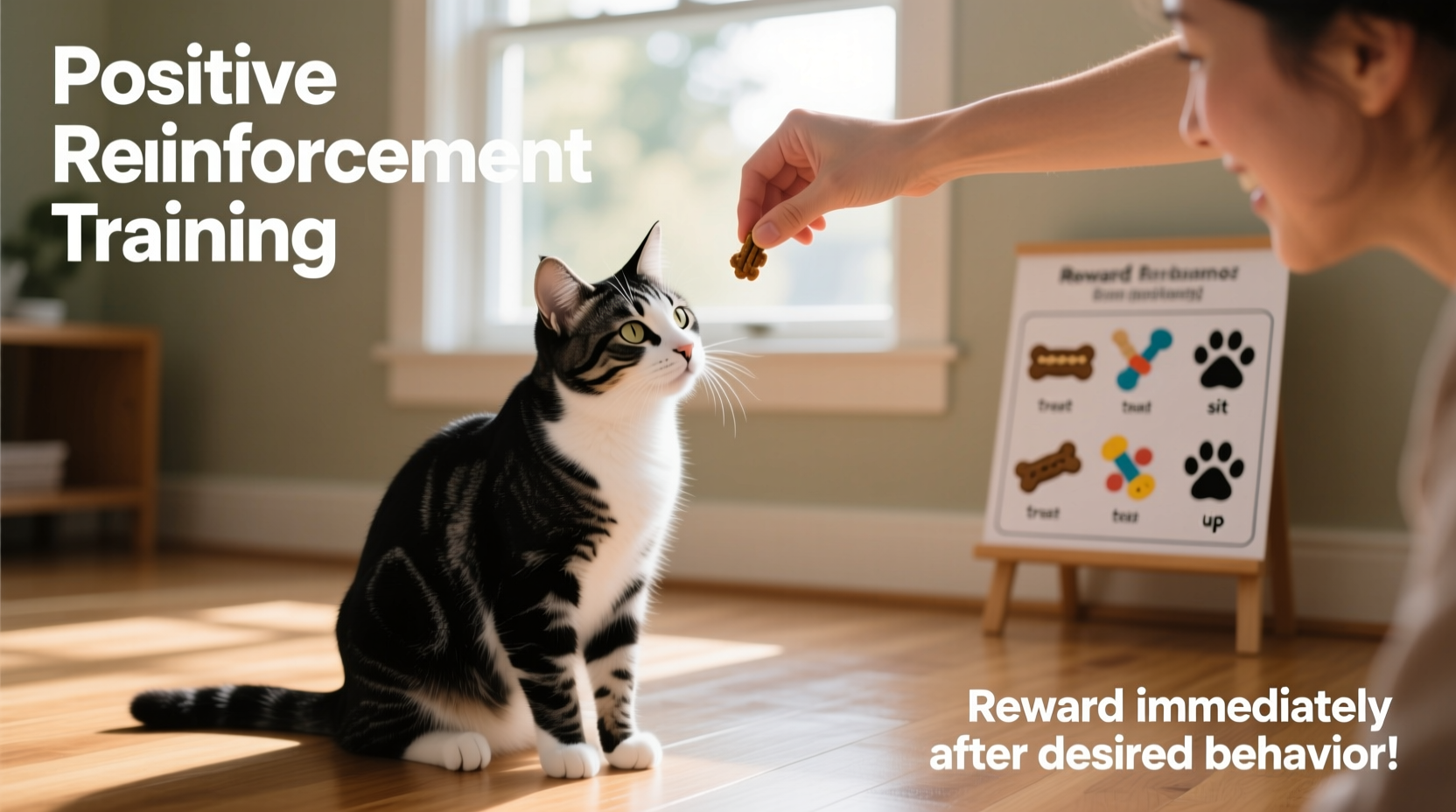
Cats don’t obey commands out of loyalty or social hierarchy like dogs. Instead, they operate on a cost-benefit analysis: “What’s in it for me?” This makes reward-based training not just effective—it’s essential. Positive reinforcement works by immediately following a desired behavior with something the cat values, such as food, play, or affection. Over time, the cat learns to associate the action with a pleasant outcome, increasing the likelihood of repetition.
Dr. Karen Overall, a renowned veterinary behaviorist, emphasizes this principle:
“Cats learn best when they feel safe and in control. Positive reinforcement respects their autonomy and builds confidence.” — Dr. Karen Overall, Veterinary Behaviorist
Unlike aversive methods (like spraying water or yelling), which may suppress behavior temporarily but often lead to anxiety or aggression, positive reinforcement creates lasting change without damaging your relationship.
Step-by-Step Guide to Training a Stubborn Cat
Training a cat requires more than just treats—it demands timing, consistency, and an understanding of feline communication. Follow this structured process to shape behavior effectively.
- Identify High-Value Rewards: Not all treats are equal. Test small portions of freeze-dried chicken, tuna flakes, or commercial soft treats to find what motivates your cat. Some cats prefer playtime with a feather wand over food.
- Choose One Behavior to Target: Focus on a single action at a time—such as coming when called, sitting on cue, or using a scratching post. Trying to teach multiple behaviors simultaneously leads to confusion.
- Use a Marker Signal: A clicker or verbal marker like “yes” helps pinpoint the exact moment your cat performs the correct behavior. This bridges the gap between action and reward.
- Start in a Low-Distraction Environment: Begin training in a quiet room where your cat feels secure. Gradually increase complexity as mastery improves.
- Keep Sessions Short: Cats have short attention spans. Limit sessions to 3–5 minutes, 2–3 times per day. End on a success to maintain motivation.
- Gradually Phase Out Treats: Once the behavior is reliable, switch to intermittent reinforcement (rewarding occasionally). This makes the behavior more resistant to extinction.
- Add a Cue Word: Only introduce a verbal or hand signal once the behavior occurs consistently. Say the cue just before the cat acts, never after.
Common Challenges and How to Overcome Them
Even with the best methods, progress isn’t always linear. Stubbornness often stems from misunderstanding, not defiance. Here are frequent obstacles and solutions:
- Lack of Motivation: If your cat ignores treats, consider health issues (e.g., dental pain) or environmental factors (e.g., stress). Try warming wet food slightly to enhance aroma.
- Inconsistent Responses: Ensure all household members use the same cues and rewards. Mixed signals confuse cats and delay learning.
- Overstimulation: Some cats become agitated during handling. Watch for tail flicking, ear flattening, or dilated pupils—these signal the need to pause.
- Slow Progress: Break complex behaviors into micro-steps. For example, teaching “high five” starts with touching a paw, then lifting it slightly, then targeting a hand.
Mini Case Study: Teaching Luna to Come When Called
Luna, a 3-year-old rescue tabby, ignored her owner’s calls and often hid when approached. Her owner began by pairing the word “Luna” with a treat toss (not hand-fed) whenever she appeared naturally. Within a week, Luna started looking toward her owner upon hearing her name. Next, the owner said “Luna” only when she was visible but not approaching, then tossed a treat upon eye contact. After two weeks, Luna began walking over. By week four, she responded reliably—even from another room. The key was starting small and reinforcing every tiny step forward.
Do’s and Don’ts of Cat Training
| Do | Don't |
|---|---|
| Reward immediately after the desired behavior | Punish unwanted behaviors (yelling, spraying) |
| Use high-value treats for difficult tasks | Force physical manipulation (e.g., pushing paws) |
| Train at the same time daily for routine | Train when your cat is tired or stressed |
| Click or say “yes” at the exact moment of success | Repeat commands multiple times—this teaches them to ignore you |
| Practice in short bursts throughout the day | Expect rapid results—cats learn at their own pace |
Essential Tips for Success
Checklist: Setting Up Your Cat Training Plan
- ✅ Identify 2–3 high-value rewards specific to your cat
- ✅ Purchase a clicker or decide on a consistent verbal marker
- ✅ Choose one target behavior to start with
- ✅ Schedule three 3-minute training sessions per day
- ✅ Eliminate distractions in the initial training space
- ✅ Record progress in a journal (date, behavior, success rate)
- ✅ Involve all family members in using consistent cues
Expanding Beyond Basic Commands
Once foundational skills are established, you can teach advanced behaviors that improve safety and enrichment:
- Target Training: Teach your cat to touch a stick or your hand with their nose. This is useful for guiding them into carriers or away from danger.
- Recall Training: Essential for outdoor-access cats or those who escape. Always reward generously upon return.
- Object Recognition: Some cats learn to identify toys by name, which enhances mental stimulation.
- Carrier Conditioning: Turn the carrier into a positive space with treats and naps, so vet visits become less stressful.
For particularly stubborn cases, shaping—reinforcing successive approximations of a behavior—is more effective than waiting for perfection. For instance, if teaching a cat to jump onto a perch, reward glancing at it, then stepping near it, then placing one paw on it, and so on.
FAQ: Common Questions About Training Stubborn Cats
Can older cats be trained using positive reinforcement?
Absolutely. While kittens learn faster due to neuroplasticity, adult and senior cats can acquire new behaviors at any age. The key is patience and adapting the pace to their energy and mobility levels. Older cats may respond better to softer treats or gentle petting as rewards.
What if my cat walks away during training?
Walking away is a clear signal of disinterest or overstimulation. Never chase or force engagement. Instead, end the session gracefully and try again later. You might also adjust your reward type or reduce session length. Respect your cat’s boundaries—they’re more likely to participate when they feel in control.
Is it possible to train a cat not to scratch furniture?
Yes, but not by stopping scratching altogether—scratching is a natural, necessary behavior. Instead, redirect it. Place appealing scratching posts near targeted furniture, sprinkle them with catnip, and reward use. Trim nails regularly and use soft claw caps if needed. Avoid covering sofas with deterrents like double-sided tape only as a temporary measure while retraining.
Conclusion: Patience, Persistence, and Partnership
Training a stubborn cat isn’t about dominance or breaking their will—it’s about collaboration. When you approach training with empathy, consistency, and positivity, you’re not just teaching tricks; you’re building trust and deepening your connection. Every small victory, from a sit command to reliable recall, reflects mutual understanding.
The most successful trainers aren’t those with the most obedient cats, but those who listen closely, adapt quickly, and celebrate progress no matter how slow. Your cat isn’t being difficult on purpose. They’re communicating in the only way they know how. Meet them there with kindness, and you’ll be amazed at what they can learn.




 浙公网安备
33010002000092号
浙公网安备
33010002000092号 浙B2-20120091-4
Comments
No comments yet. Why don't you start the discussion?