
Parrots are intelligent, social creatures capable of forming deep bonds with their human companions. Yet, biting remains one of the most common behavioral challenges owners face. Contrary to popular belief, biting is rarely an act of aggression—it’s communication. A parrot bites when it feels threatened, overstimulated, or misunderstood. The key to preventing bites isn’t punishment, but trust. Building a foundation of mutual respect and understanding transforms the relationship, making biting unnecessary. This guide outlines proven, humane strategies to foster trust and eliminate biting through empathy, consistency, and positive reinforcement.
Understanding Why Parrots Bite
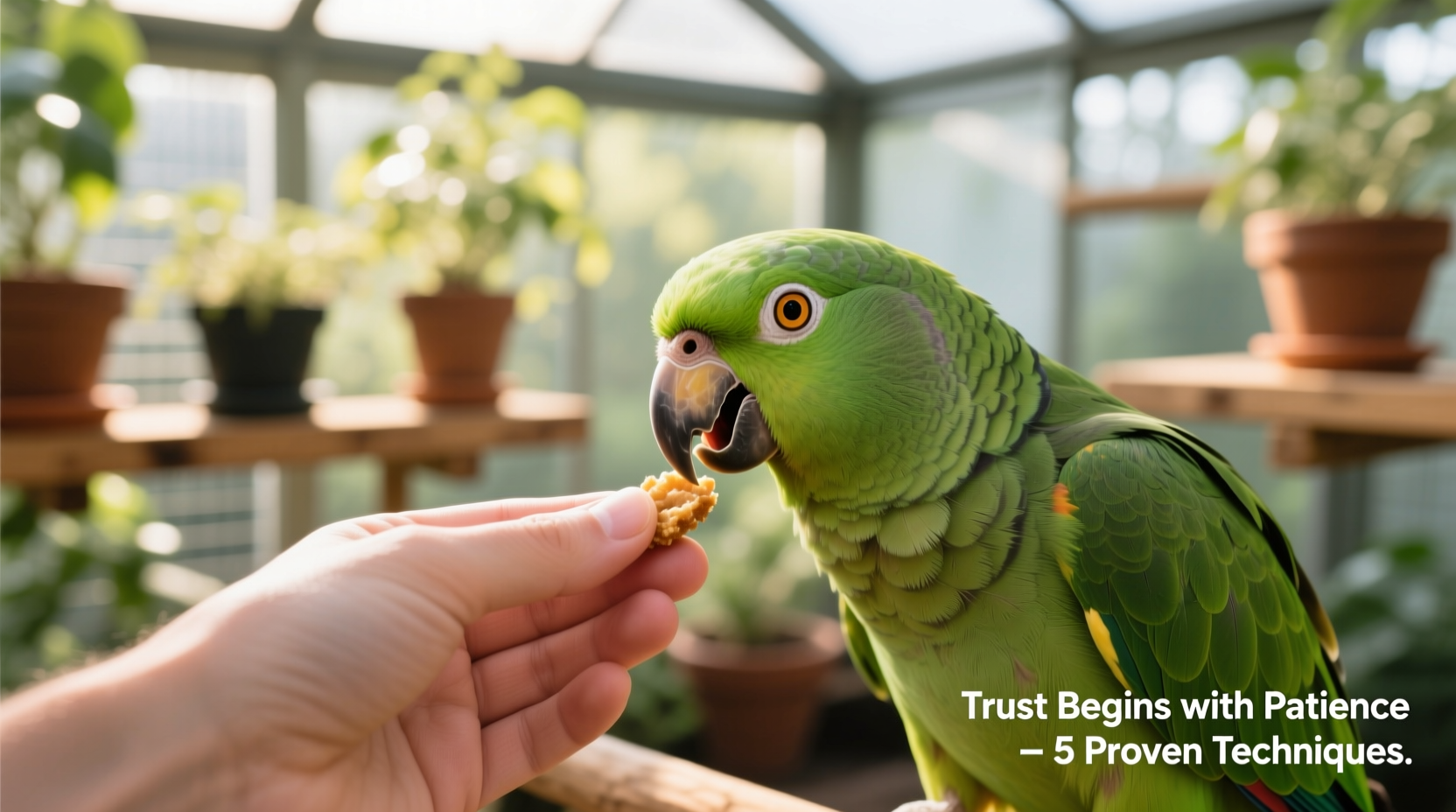
Biting is a natural behavior in parrots, used in the wild for defense, boundary-setting, and communication. In captivity, the same instincts persist, but triggers shift. A hand reaching into a cage may resemble a predator. Overhandling, misreading body language, or forced interaction can escalate stress. Hormonal changes during breeding season also increase territorial behavior.
Recognizing early warning signs is essential. Subtle cues like pinned eyes, flattened feathers, tail fanning, or a stiff posture signal discomfort. Ignoring these signals often leads to a bite. Instead of reacting with fear or punishment, interpret the bite as feedback: “I felt unsafe.” Addressing the root cause—fear, confusion, or lack of control—creates lasting change.
The Foundation of Trust: Consistency and Predictability
Parrots thrive on routine. Sudden movements, inconsistent rules, or unpredictable interactions heighten anxiety. Establishing a predictable environment reduces stress and fosters security. This includes feeding times, cage cleaning schedules, and interaction patterns.
Consistency extends to training. Use the same cues, rewards, and responses every time. For example, always offer a treat after stepping onto your hand, or use a specific phrase like “step up” without variation. When a parrot learns what to expect, it gains confidence and is less likely to resort to defensive behaviors.
“Trust with a parrot is built moment by moment. It’s not about dominance, but reliability. They need to know you’ll respond the same way each time.” — Dr. Irene Pepperberg, Avian Cognition Researcher
Step-by-Step Guide to Reducing Biting Through Trust Building
Eliminating biting requires patience and a structured approach. Follow this timeline to gradually build trust and reinforce positive behavior.
- Week 1–2: Observation and No-Hand Contact
Spend time near the cage without interacting. Read aloud, play soft music, or simply sit quietly. Let the bird observe you as non-threatening. Avoid direct eye contact, which can be perceived as confrontational. - Week 3–4: Target Training Introduction
Use a chopstick or stick as a target. Hold it near the cage and reward any movement toward it with a favorite treat (e.g., sunflower seed). This teaches focus and cooperation without physical contact. - Week 5–6: Step-Up Training with Positive Reinforcement
Introduce the hand slowly below the bird’s feet. Say “step up” once. If the bird complies, immediately reward. If it hesitates or shows stress, withdraw and try later. Never force. - Week 7–8: Short Handling Sessions
Once step-up is reliable, allow brief out-of-cage time on a playstand. Keep sessions under five minutes initially. End positively before the bird shows signs of fatigue. - Ongoing: Reading Body Language and Respecting Boundaries
Learn your parrot’s individual cues. Some birds enjoy head scratches; others tolerate only perching. Respect limits to maintain trust.
Do’s and Don’ts of Parrot Interaction
| Do’s | Don’ts |
|---|---|
| Move slowly and speak softly around your bird | Sudden movements or loud noises |
| Use positive reinforcement (treats, praise) | Punish or yell after a bite |
| Respect body language signals | Force handling when the bird is stressed |
| Offer choices (e.g., which perch to go to) | Trap or corner the bird unnecessarily |
| Wash hands before handling to remove food scents | Approach with hands smelling like food, tempting bites |
Real Example: Rebuilding Trust with a Fearful Rescue Parrot
Milo, a 7-year-old green-cheeked conure, was rehomed after biting his previous owner multiple times. He spent his first weeks at his new home hiding in the back of his cage, lunging when hands approached. His new caregiver, Sarah, followed a trust-based protocol. She sat near the cage daily, reading books aloud without looking directly at him. After two weeks, she introduced target training using a wooden skewer and millet sprays as rewards.
Over the next month, Milo began touching the target voluntarily. Sarah never reached into the cage. Instead, she opened the door and let him choose to come out. By week ten, Milo stepped onto her finger for the first time. Today, he willingly rides on her shoulder and vocalizes happily during interactions. The turning point wasn’t training skill alone—it was patience and respect for Milo’s pace.
Effective Techniques to Replace Biting with Communication
Since biting is a form of communication, replacing it with alternative behaviors reduces its necessity. Here are three practical methods:
- Target Training: Teaches the bird to touch a stick with its beak. Useful for guiding movement without physical contact.
- Recall Training: Train a cue like “come here” using treats. Gives the bird autonomy while ensuring safety.
- Distress Signal Training: Teach a non-aggressive signal (e.g., tapping a bell) to indicate discomfort. While advanced, it empowers the bird to communicate needs.
These techniques shift the dynamic from coercion to collaboration. The parrot learns that calm behavior yields better results than biting.
Checklist: Daily Practices to Prevent Biting
Integrate these habits into your routine to maintain a bite-free relationship:
- Observe your parrot’s body language for at least 5 minutes daily
- Conduct one short (2–3 minute) positive training session
- Avoid petting sensitive areas (back, vent) unless the bird solicits it
- Wash hands before handling to avoid food-related nips
- Provide mental stimulation (toys, puzzles) to reduce frustration
- End interactions before signs of overstimulation appear
- Keep the environment quiet and predictable, especially during molting or hormonal periods
“The most well-behaved parrots aren’t those that are dominated—they’re the ones who feel safe enough not to defend themselves.” — Barbara Heidenreich, Certified Animal Behavior Consultant
FAQ
Can an older parrot learn not to bite?
Yes. Age doesn’t prevent learning. Older parrots may have entrenched habits, but with consistent, patient training, they can unlearn biting. The process may take longer, but success is achievable.
My parrot bites only certain people. Why?
This usually reflects differences in body language, tone, or past experiences. Some people move too quickly or make direct eye contact, which parrots perceive as threatening. Encourage all family members to follow the same calm, predictable approach.
What should I do immediately after a bite?
Stay calm. Say “no” or “ouch” in a firm but neutral tone, then immediately withdraw your presence for 30–60 seconds. Do not shout or punish. This teaches that biting ends attention, not earns a reaction. Later, reflect on what triggered the bite to prevent recurrence.
Conclusion: Building a Lifelong Bond Without Fear
Training a parrot not to bite isn’t about control—it’s about connection. When trust replaces fear, biting becomes obsolete. The techniques outlined here don’t suppress behavior; they address its emotional roots. By observing, respecting boundaries, and reinforcing positive choices, you create a partnership grounded in mutual understanding.
Every parrot is unique. Progress may be slow, and setbacks are normal. What matters is consistency and compassion. With time, your parrot will look to you not as a threat, but as a source of safety and joy.




 浙公网安备
33010002000092号
浙公网安备
33010002000092号 浙B2-20120091-4
Comments
No comments yet. Why don't you start the discussion?