
Cats scratch. It's not just a habit—it's a biological necessity. Scratching helps them shed old claw sheaths, stretch muscles, mark territory through scent glands in their paws, and relieve stress. But when that instinct turns your sofa into a shredded mess, it’s time to redirect the behavior. The good news: you don’t have to live with damaged furniture or punish your cat. With patience, consistency, and the right strategy, you can train your cat to stop scratching the furniture—permanently.
The key is understanding why cats scratch and offering better alternatives. This guide breaks down the science of feline behavior, outlines proven training methods, and provides actionable steps backed by veterinary experts and animal behaviorists. Whether your cat is a kitten with sharp new claws or a senior who’s been ruining the armrest for years, these techniques work at any age.
Why Cats Scratch Furniture (And Why You Shouldn’t Punish Them)
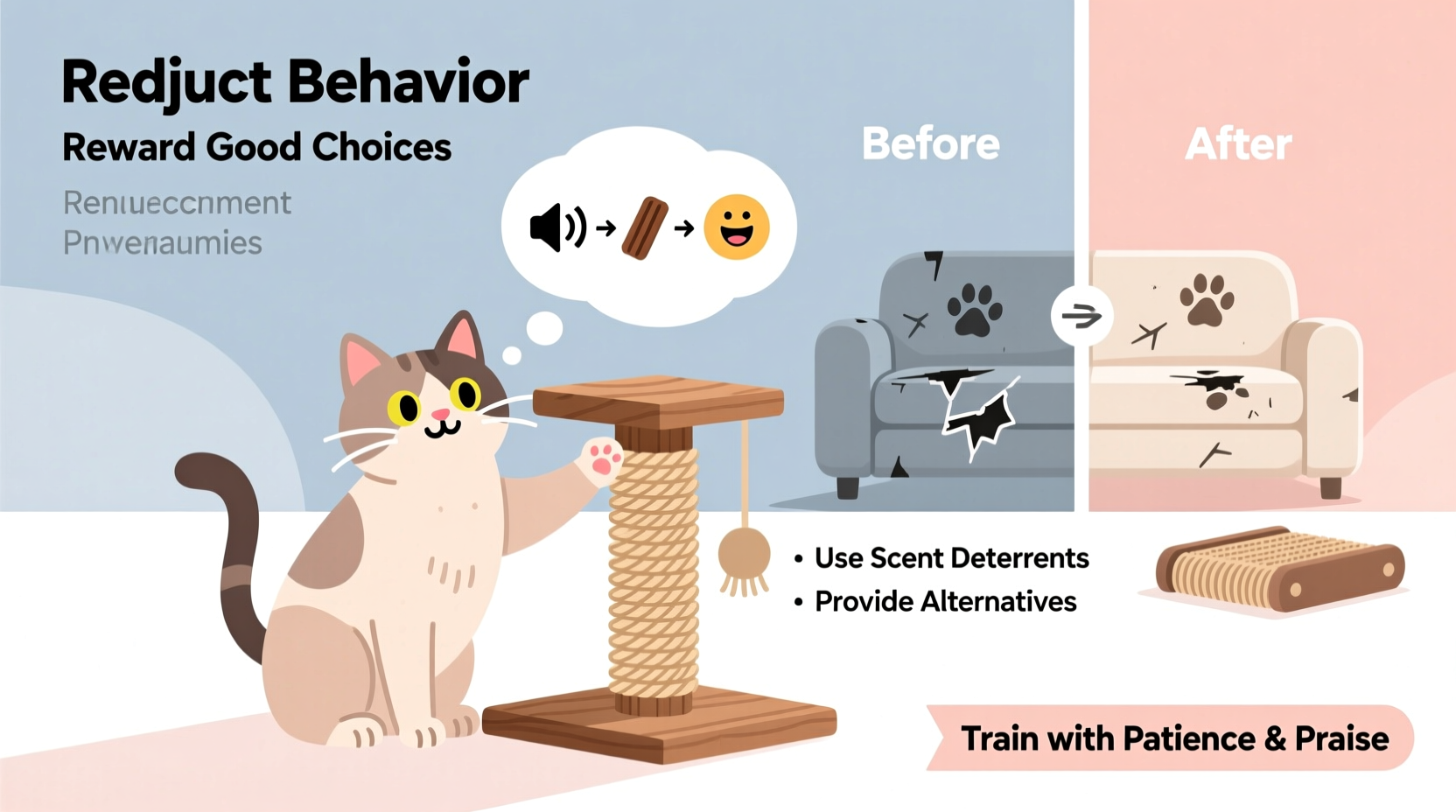
Before addressing the solution, it’s essential to understand the motivation behind the behavior. Cats aren’t scratching out of spite or rebellion—they’re responding to deeply ingrained instincts. According to Dr. Sarah Ellis, co-author of *The Trainable Cat*, “Scratching is a natural, non-negotiable part of feline communication and physical health.”
Here are the primary reasons cats target furniture:
- Claw Maintenance: Scratching removes dead outer layers of the claws, keeping them sharp and functional.
- Muscle Stretching: A full-body stretch during scratching helps maintain flexibility, especially after naps.
- Scent Marking: Cats have scent glands between their paw pads. Scratching deposits their unique odor, marking the area as safe and familiar.
- Stress Relief: Repetitive scratching can be calming, much like pacing or grooming under anxiety.
- Location Preference: Cats often choose vertical surfaces near entryways or sleeping areas—places where they feel most vulnerable or territorial.
“Punishing a cat for scratching doesn’t stop the behavior—it only teaches them to hide while doing it. That leads to more stress and no real solution.” — Dr. Karen Overall, Veterinary Behaviorist
Instead of viewing scratching as defiance, reframe it as a communication tool. Your job isn’t to eliminate the behavior but to guide it toward acceptable outlets.
Step-by-Step Guide to Redirect Scratching Behavior
Training a cat to avoid furniture requires more than just placing a scratching post nearby. It demands strategic placement, positive reinforcement, and environmental management. Follow this timeline-based approach for lasting results.
- Assess Current Scratching Zones (Day 1–2): Observe which pieces of furniture your cat uses most. Note height, texture (upholstery type), and location. Is it near the bedroom door? By the window? This tells you what your cat prefers.
- Choose the Right Alternatives (Day 3): Purchase multiple scratching posts that match your cat’s preferences. If they like vertical scratching on a couch, try a tall sisal post. If they dig into corners, consider an L-shaped cardboard scratcher.
- Strategic Placement (Day 4): Place new scratchers directly in front of or beside the targeted furniture. Don’t expect your cat to seek them out across the room. Proximity matters.
- Make Furniture Less Appealing (Day 5): Use temporary deterrents like double-sided tape, aluminum foil, or plastic slip covers on scratched areas. These textures are unpleasant but harmless.
- Positive Reinforcement (Ongoing): Every time your cat uses the correct surface, reward immediately with treats, praise, or play. Timing is critical—rewards must follow within seconds.
- Gradual Relocation (Week 3+): Once your cat consistently uses the scratcher, slowly move it a few inches per day toward a more permanent, convenient location—never more than 6 inches daily.
- Phase Out Deterrents (Week 4–6): When your cat reliably avoids furniture, remove sticky tape or foil. Monitor closely and reintroduce if needed.
Choosing the Right Scratching Solutions: A Comparison Table
Not all scratching posts are created equal. The wrong type will be ignored. Use this table to match your cat’s habits with the best product type.
| Scratcher Type | Best For | Pros | Cons |
|---|---|---|---|
| Sisal Rope Post (Vertical) | Cats who stretch high, target upright furniture | Durable, mimics tree bark, excellent for claw shedding | Limited horizontal use; may tip if not weighted |
| Cardboard Scratcher (Flat or Inclined) | Kittens, older cats, those who prefer floor-level scratching | Affordable, replaceable, loved by most cats | Wears out quickly; less effective for full stretches |
| Horizontal Carpet Pad | Cats who knead or scratch near beds/couches | Blends into décor, soft texture | May encourage carpet scratching elsewhere |
| Multi-Level Tower with Scratching | Active cats, multi-cat households | Combines climbing, resting, and scratching | Takes up space; expensive |
| Wall-Mounted Sisal Panels | Cats who attack corners or wall edges | Space-saving, durable, blends with walls | Requires installation; limited mobility |
Pro Tip: Offer at least two types initially. Rotate or remove unused ones after a week.
Real-Life Success: How Mia Stopped Destroying the Couch
Sarah, a pet owner from Portland, struggled for months with her 2-year-old tabby, Mia, who shredded the corner of her living room sofa every morning. She tried sprays, scolding, and even covering the area with plastic—but nothing worked long-term.
After consulting a certified cat behavior consultant, Sarah implemented a three-part plan:
- She placed a 32-inch sisal post directly in front of the couch corner and rubbed it with silver vine powder.
- She covered the damaged area with textured silicone shelf liner (tacky but safe).
- Every time Mia approached the post—even just sniffed it—Sarah offered a small treat and verbal praise.
Within ten days, Mia began using the post regularly. By day 18, she was fully transitioned. Sarah then moved the post six inches toward the window perch, where Mia now scratches every morning before sunbathing.
“I stopped seeing her as destructive and started seeing her needs,” Sarah said. “Now we both win.”
Common Mistakes That Sabotage Training
Even well-meaning owners make errors that prolong the problem. Avoid these pitfalls:
- Using Only One Scratcher: Cats need options. Place scratchers near sleeping areas, exits, and favorite lounging spots.
- Placing Scratchers in Low-Traffic Corners: If it’s out of the way, your cat won’t use it. High-activity zones are better.
- Relying Solely on Nail Trims: While trimming reduces damage, it doesn’t address the root cause—cats still need to scratch.
- Skipping Consistency: If you forget to reward one day or let the cat get away with minor scratches, progress stalls.
- Using Strong Chemical Deterrents: Citrus sprays or loud noises create fear, not learning. Stick to tactile deterrents like tape or foil.
Essential Checklist: Stop Furniture Scratching for Good
Follow this checklist over the first month to ensure success:
- ✅ Identify all furniture being scratched and note patterns
- ✅ Purchase at least two types of scratchers (e.g., sisal post + cardboard pad)
- ✅ Place scratchers directly in front of or beside targeted furniture
- ✅ Apply temporary deterrents (double-sided tape, foil) to off-limit areas
- ✅ Reward every correct scratch attempt with treats or affection
- ✅ Trim claws every 2–3 weeks
- ✅ Gradually relocate scratchers to preferred long-term spots
- ✅ Replace worn scratchers promptly to maintain appeal
Frequently Asked Questions
Will declawing solve the problem?
No. Declawing is a surgical procedure that involves amputating the last bone of each toe. It causes chronic pain, behavioral issues, and is banned in many countries. The American Veterinary Medical Association (AVMA) opposes declawing for non-medical reasons. There are humane, effective alternatives—use them instead.
My cat ignores the scratching post. What should I do?
Try changing the location, material, or orientation. Many cats prefer vertical scratching at a height that allows a full stretch. Rubbing the post with catnip, silver vine, or valerian root can increase attraction. Also, ensure the post is stable—wobbly posts scare cats.
How long does it take to train a cat to stop scratching furniture?
With consistent effort, most cats adapt within 3–6 weeks. Kittens often learn faster, but adult cats can change habits too. Patience and repetition are crucial. Setbacks are normal; just return to the basics and reinforce desired behavior.
Conclusion: A Scratch-Free Home Is Within Reach
Training your cat to stop scratching furniture isn’t about domination—it’s about collaboration. By respecting your cat’s natural instincts and guiding them toward appropriate outlets, you build trust and improve their quality of life. The result isn’t just preserved upholstery; it’s a deeper bond rooted in understanding.
Start today. Observe your cat’s habits, invest in the right tools, and stay consistent. Small daily actions lead to permanent change. And remember: every scratch your cat chooses not to make on the sofa is a victory worth celebrating.




 浙公网安备
33010002000092号
浙公网安备
33010002000092号 浙B2-20120091-4
Comments
No comments yet. Why don't you start the discussion?