
Cats are creatures of habit, and introducing anything new—especially a carrier—can trigger anxiety. Many owners dread vet visits or travel because their cats resist the carrier, leading to stressful chases, hissing, and even injury. But it doesn’t have to be this way. With patience, consistency, and the right approach, you can teach your cat to enter and stay in a carrier calmly, turning a dreaded experience into a neutral—or even positive—one. The key is to reframe the carrier not as a trap, but as a safe, familiar space.
This process isn’t about forcing compliance; it’s about building trust. By using positive reinforcement and gradual desensitization, you help your cat associate the carrier with comfort, safety, and rewards. Whether your cat has never seen a carrier or actively avoids one, these strategies work at any age and temperament.
Understanding Feline Fear: Why Cats Resist Carriers
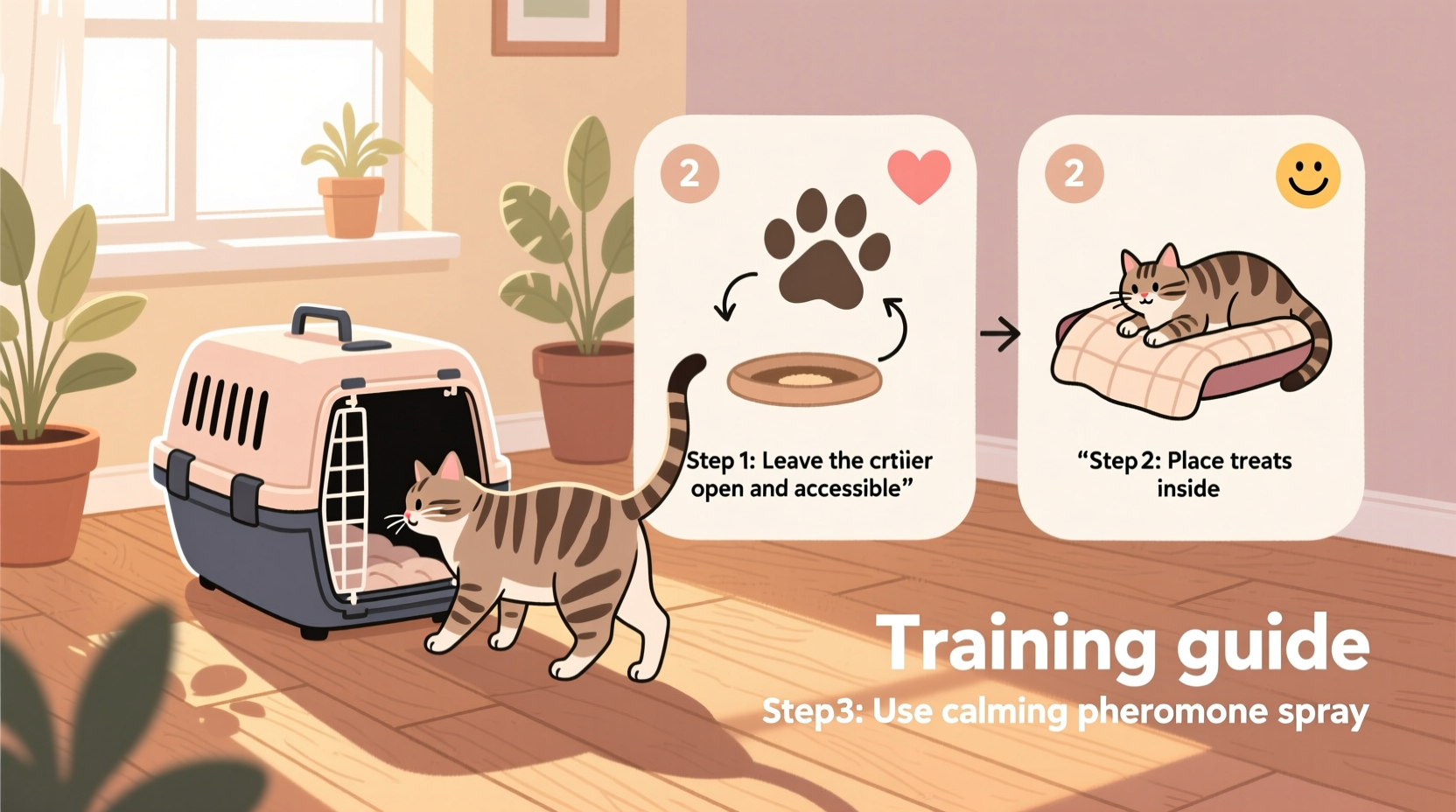
Before addressing training techniques, it's important to understand why carriers provoke fear. For many cats, a carrier represents confinement, unfamiliar movement, and trips to the vet—often linked with discomfort or pain. Even if the carrier itself hasn't caused harm, its association with stressful events creates a negative emotional response.
Cats also rely heavily on environmental control. Being placed in a confined space with limited escape routes triggers instinctual stress responses. Add sudden handling or loud noises, and the situation escalates quickly. This explains why simply shoving a cat into a carrier—even gently—can damage trust and reinforce fear.
The solution lies in decoupling the carrier from negative experiences. Instead of waiting until vet day to introduce it, make the carrier a permanent part of your home environment. When done correctly, your cat may begin to view it as a cozy den—a place to nap, hide, or feel secure.
Step-by-Step Guide: Training Your Cat to Accept the Carrier
Training should unfold gradually over days or weeks, depending on your cat’s personality. Rushing the process can undo progress. Follow this structured timeline to build confidence and positive associations.
- Introduce the carrier as furniture. Place it in a low-traffic area where your cat spends time. Remove the door if possible, or leave it securely open. Let your cat sniff, paw at, or walk around it without interference.
- Add comfort inside. Line the bottom with a soft towel, fleece blanket, or bed that carries your cat’s scent. You can also place an item of your clothing nearby to increase familiarity.
- Use food and treats to create positive links. Toss high-value treats (like freeze-dried chicken) near the carrier, then closer to the entrance, and eventually just inside. Never force entry—let curiosity guide them.
- Feed meals near and inside the carrier. Start by placing their regular food bowl beside the carrier. Over several days, move it progressively closer until it sits fully inside. This builds strong daily reinforcement.
- Encourage short stays. Once your cat enters willingly, close the door briefly while they eat or nap. Begin with just a few seconds, then gradually extend the duration as long as they remain calm.
- Add motion slowly. After your cat tolerates being enclosed, lift the carrier slightly off the ground for a few seconds. Then try carrying it a short distance. Always monitor body language—flattened ears, growling, or frantic pacing mean you’ve moved too fast.
- Simulate travel conditions. Sit in your car with the carrier inside (engine off). Later, start the engine and run it for a minute. Gradually increase duration, always pairing it with treats or praise.
Throughout this process, keep sessions short and upbeat. If your cat retreats, don’t call them back—wait for them to return on their own. Progress isn’t linear; some days will show setbacks, especially during noisy household changes or illness.
Essential Do’s and Don’ts During Carrier Training
| Do’s | Don’ts |
|---|---|
| Use high-value treats like tuna flakes or cooked shrimp | Force your cat into the carrier |
| Leave the carrier out permanently as a safe space | Only bring out the carrier before vet visits |
| Speak in calm, soothing tones during training | Yell or show frustration if your cat resists |
| Clean the carrier regularly with pet-safe products | Use strong-smelling cleaners or air fresheners nearby |
| Choose a top-loading or two-door carrier for easier access | Use a hard-sided carrier that can’t be opened from the top |
Selecting the right carrier matters. Soft-sided models may feel less secure, while opaque plastic ones provide privacy. Consider models with removable tops—vets often prefer them, and they allow you to lower your cat in gently from above, reducing pressure on sensitive bodies.
Expert Insight: What Veterinarians Recommend
“Cats who are trained to accept carriers experience lower cortisol levels during transport. This means fewer digestive issues, reduced risk of injury, and better cooperation during exams.” — Dr. Lena Patel, DVM, Feline Behavior Consultant
Dr. Patel emphasizes that early training pays dividends throughout a cat’s life. “Even indoor-only cats need occasional vet visits. A cat that walks into their carrier confidently makes all the difference—not just for the owner, but for the entire veterinary team.”
She also recommends using feline pheromone sprays like Feliway inside the carrier 15–30 minutes before use. These synthetic calming signals mimic natural facial pheromones cats deposit when marking safe spaces, helping reduce anxiety during transitions.
Real-Life Example: Transforming a Fearful Rescue Cat
Milo, a three-year-old domestic shorthair adopted from a shelter, would bolt under the bed whenever his owner brought out the carrier. Previous attempts to place him inside resulted in scratches and prolonged hiding. His owner, Sarah, decided to reset expectations and began treating the carrier like a piece of furniture.
She placed a soft bed inside and sprinkled dried catnip around the opening. For two weeks, she dropped small pieces of chicken near the carrier during TV time. Milo began sniffing, then stepping one paw in. By week three, he was napping inside with the door open.
Sarah started closing the door for five seconds while offering treats through the bars. Over the next ten days, she increased the time to two minutes. She then practiced lifting the carrier onto her lap while Milo ate. Within six weeks, Milo entered the carrier voluntarily when asked and remained calm during a 15-minute car ride to the vet.
“I used to dread appointments,” Sarah said. “Now, I give him a cue word—‘den’—and he walks right in. It’s changed everything.”
Tips for Accelerating Success
- Use a consistent verbal cue. Pair a word like “ride” or “journey” with treat delivery every time your cat approaches the carrier. Over time, this builds auditory association.
- Leverage playtime. Toss a favorite toy inside or use a wand teaser to encourage entry. Immediately reward with praise or a treat.
- Make it multi-functional. Allow your cat to sleep, groom, or hide in the carrier. The more neutral uses it has, the less it becomes associated only with travel.
- Involve all household members. Everyone should follow the same rules—no chasing or sudden grabbing. Consistency prevents mixed messages.
- Monitor body language closely. Tail flicking, dilated pupils, or vocalizing indicate stress. Back off and return to earlier steps if needed.
Checklist: How to Train Your Cat to Use a Carrier Without Stress
- Choose a carrier appropriate for your cat’s size and temperament
- Place the carrier in a familiar, quiet area of the home
- Remove the door or leave it propped open
- Add soft bedding with your cat’s scent
- Begin scattering treats near, then inside the carrier
- Move your cat’s food bowl progressively closer to and inside the carrier
- Allow voluntary entries and exits without interference
- Gradually close the door for increasing durations
- Practice lifting and carrying the carrier briefly
- Simulate car rides with engine running and short drives
- Use calming aids like Feliway or calming collars if needed
- Reinforce success with praise and high-value rewards
Frequently Asked Questions
How long does it take to train a cat to use a carrier?
It varies widely—from a few days for confident cats to several weeks for fearful or rescue animals. The critical factor isn’t speed, but consistency. Daily short interactions yield better results than infrequent, lengthy sessions.
What if my cat refuses to go inside, even for treats?
Start smaller. Toss treats near the carrier, then closer each day. You can also try placing a familiar object—like their favorite blanket—partially inside to draw interest. Avoid staring or reaching toward them, as this can feel threatening.
Can older or arthritic cats be trained to use a carrier?
Yes, though adjustments may be needed. Use low-entry carriers or ramps. Place extra padding inside for joint support. Work more slowly, and consult your vet about pain management if mobility is an issue. Positive reinforcement remains effective at any age.
Conclusion: Building a Stress-Free Travel Routine
Training your cat to use a carrier without stress is one of the most impactful things you can do for their long-term well-being. It reduces fear, strengthens your bond, and ensures they receive timely medical care without trauma. The methods outlined here aren’t quick fixes—they’re foundational habits that transform how your cat perceives confinement and change.
Every cat can learn, regardless of past experiences. What matters is your commitment to patience, empathy, and positive reinforcement. Start today by leaving the carrier out with a cozy bed inside. Drop a treat when your cat glances at it. Small actions compound into lasting change.




 浙公网安备
33010002000092号
浙公网安备
33010002000092号 浙B2-20120091-4
Comments
No comments yet. Why don't you start the discussion?