
Walking your dog should be a peaceful experience—a chance to bond, get fresh air, and enjoy movement together. Yet for many dog owners, it turns into a daily tug-of-war. A dog that pulls on the leash isn’t being stubborn; they’re simply responding to excitement, lack of training, or instinctual drive. The good news: with consistency, patience, and the right techniques, any dog can learn to walk calmly beside you.
This guide breaks down the most effective, humane methods used by professional trainers to teach loose-leash walking. Whether you're dealing with a high-energy puppy or a strong adult dog, these strategies will help transform chaotic walks into calm, enjoyable outings.
Understanding Why Dogs Pull
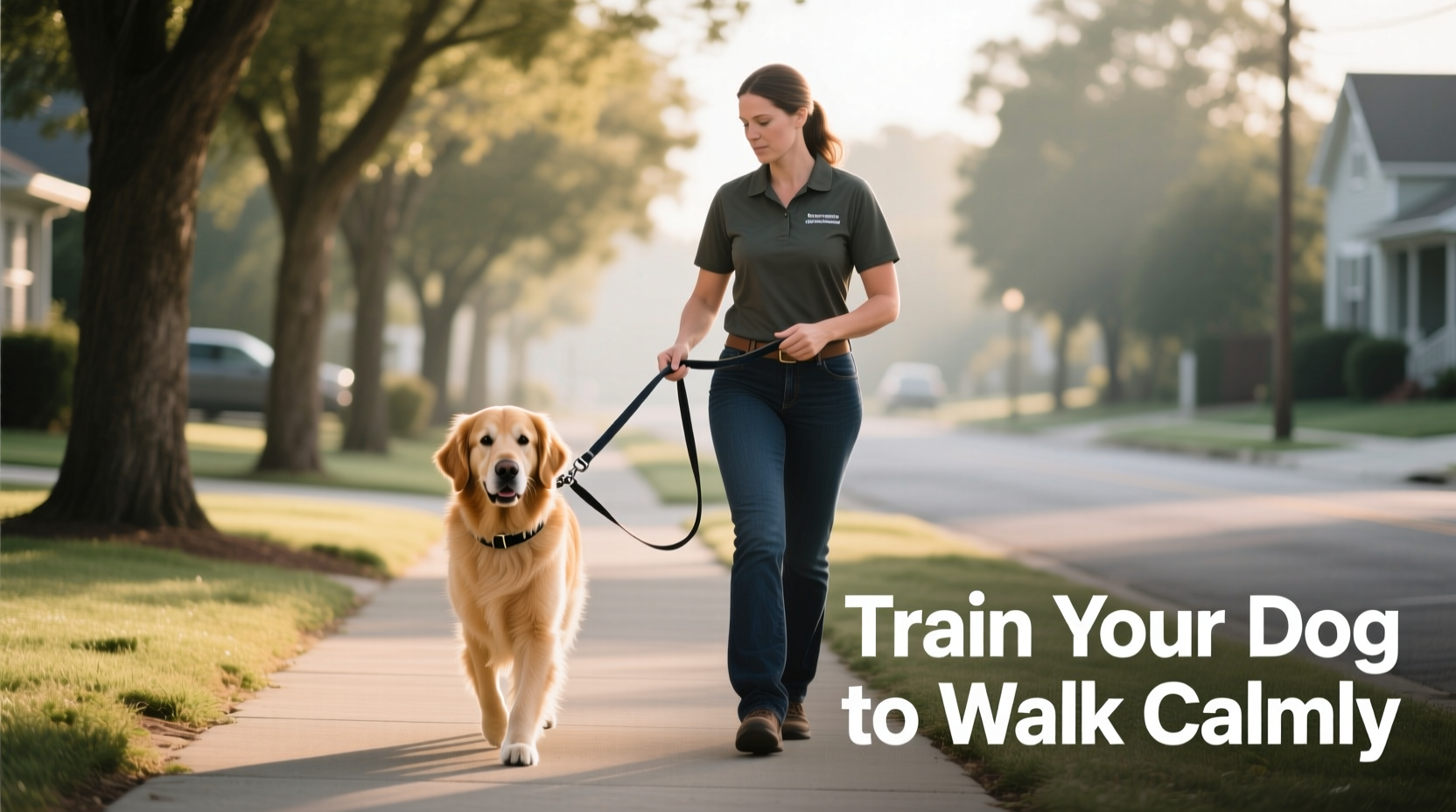
Dogs don’t pull because they want to dominate or disrespect you—they pull because it works. Every time your dog moves forward while tugging, they are rewarded with progress toward whatever caught their attention: a squirrel, another dog, or the next fire hydrant. This reinforcement strengthens the pulling behavior.
Additionally, dogs are naturally faster than humans. Their default pace is a brisk trot, while our stroll feels like molasses to them. Without training, they’ll forge ahead simply because they’re eager to explore.
Other contributing factors include:
- Lack of early training: Puppies often start pulling before anyone teaches them otherwise.
- Excitement: The anticipation of a walk can trigger overstimulation.
- Inappropriate equipment: Standard collars and retractable leashes can encourage pulling rather than discourage it.
- Inconsistent handling: If rules change from walk to walk, dogs become confused.
The Foundation: Equipment That Supports Success
Using the right gear is half the battle. Some tools are designed to manage pulling, not eliminate it. Your goal should be to phase out dependency on corrective devices and build self-control through training—but proper equipment can make early stages much easier.
| Equipment | Best For | Pros | Cons |
|---|---|---|---|
| Front-clip harness (e.g., Easy Walk, SENSE-ation) | Moderate pullers, beginners | Gently steers dog when they pull; reduces strain | Not a substitute for training; some dogs adapt over time |
| Head halter (e.g., Gentle Leader, Halti) | Strong pullers, reactive dogs | Offers more control; guides head gently | Requires gradual introduction; not suitable for brachycephalic breeds |
| No-pull back-clip harness | Light pullers | Comfortable; easy to use | Less effective for determined pullers; may encourage more pulling in some dogs |
| Standard collar + flat leash | Well-trained dogs | Simple, widely available | Pulling can injure trachea; offers little control |
Avoid retractable leashes during training. They reinforce pulling by allowing the dog to surge forward and teach zero impulse control.
“Dogs don’t resist training—they resist confusion. Clear communication through consistent cues and proper tools sets them up to succeed.” — Dr. Sarah Carter, Certified Professional Dog Trainer (CPDT-KA)
Step-by-Step Guide to Loose-Leash Walking
Training your dog to walk without pulling isn’t a one-time fix—it’s a process built on repetition and reinforcement. Follow this structured approach to see lasting results.
- Start in a low-distraction environment. Choose a quiet area like your backyard or an empty parking lot. Minimize triggers so your dog can focus on you.
- Use high-value treats. Small pieces of chicken, cheese, or hot dog work better than kibble. Your dog must value the reward more than the distraction.
- Teach “heel” or “let’s go” as a cue. Begin by holding a treat near your leg. Say your chosen word as your dog aligns beside you. Reward after three steps of walking together.
- Stop when the leash tightens. The moment the leash goes taut, come to a complete stop. Wait—sometimes up to 30 seconds—for your dog to turn back or slacken the line. The instant the leash loosens, mark with a “yes!” or clicker and reward.
- Change direction frequently. If your dog surges ahead, pivot 180 degrees and walk the other way. Call their name or say “this way!” and reward when they catch up and walk beside you.
- Build duration gradually. Start with just five steps of calm walking before rewarding. Over days, increase to 10, then 20, then full blocks.
- Add distractions slowly. Once your dog masters the backyard, move to sidewalks, then busier streets. Always stay below their reactivity threshold.
- Phase out treats. After consistent success, switch to variable rewards—treat every few successful stretches, then occasionally. Keep verbal praise constant.
Real Example: From Pulling Powerhouse to Polished Walker
Meet Max, a two-year-old Australian Shepherd adopted from a shelter. His owner, Jen, loved him but dreaded walks. Max would lunge at bikes, bark at other dogs, and drag her across parking lots. Frustrated, she tried prong collars and yelling—neither worked long-term.
She consulted a certified trainer who introduced the stop-and-go method with a front-clip harness. For two weeks, Jen practiced in her driveway. She carried pea-sized pieces of boiled chicken and used the cue “with me.”
At first, Max walked ten feet before pulling. Jen stopped. He tugged, turned, sniffed—then finally glanced back. “Yes!” she said, treating immediately. Over five sessions, he began checking in voluntarily.
By week four, they were walking around the block with only minor corrections. By week eight, Max walked calmly past squirrels and skateboards. Today, he heels reliably and even sits automatically at crosswalks.
The turning point wasn’t a gadget—it was consistency. Jen stopped reinforcing pulling by moving forward under tension. Instead, she made calm attention the only path to progress.
Common Mistakes That Sabotage Progress
Even well-intentioned owners accidentally undermine training. Watch for these pitfalls:
- Moving forward while the leash is tight: This tells your dog that pulling works. Even one step reinforces the behavior.
- Yelling or jerking the leash: Creates fear and can damage your dog’s spine or thyroid. It also damages trust.
- Expecting perfection too soon: Dogs need time. Setbacks are normal. Celebrate small improvements.
- Using low-value rewards: If your dog prefers chasing a bird over eating kibble, kibble won’t motivate them.
- Training only on walks: Practice loose-leash skills in your living room or hallway during playtime to build muscle memory.
“Every time you allow pulling, you’re teaching your dog that persistence pays off. But every time you stop, you teach them that calmness gets them where they want to go.” — Carlos Mendez, Canine Behavior Consultant
Checklist: Building a Pull-Free Walking Routine
Use this checklist to stay on track during your training journey:
- ✅ Choose the right equipment (front-clip harness or head halter if needed)
- ✅ Carry high-value treats on every walk
- ✅ Pick a consistent cue (“let’s go,” “heel,” “with me”)
- ✅ Start training in a quiet, low-distraction space
- ✅ Stop immediately when the leash tightens
- ✅ Reward the moment the leash goes slack or your dog looks at you
- ✅ Change direction when your dog pulls ahead
- ✅ Keep sessions short (5–10 minutes) and frequent (daily)
- ✅ Gradually introduce distractions as skills improve
- ✅ Fade treats slowly, replacing them with praise and life rewards (e.g., “Good! Now you can sniff that bush!”)
Frequently Asked Questions
How long does it take to stop a dog from pulling?
Most dogs show improvement within 2–4 weeks of consistent daily practice. However, full reliability in all environments can take 3–6 months. Factors like age, breed, prior habits, and level of distraction influence the timeline. Patience and persistence are key.
Can older dogs learn not to pull?
Absolutely. While puppies are easier to shape from the start, adult and senior dogs can learn new behaviors at any age. Older dogs may take longer due to established habits, but they often have better focus than young dogs. Use higher-value rewards and keep sessions engaging.
Should I use a clicker for leash training?
A clicker can be highly effective for marking the exact moment your dog walks calmly or checks in with you. It provides precise feedback. If using one, pair it with a treat for several sessions so your dog associates the sound with a reward. After that, use it to “mark” desired behaviors during walks.
Conclusion: A Calmer Walk Is Within Reach
Training your dog to walk without pulling isn’t about control—it’s about communication. When you consistently reward attention and calm movement, you build a partnership based on mutual understanding. The leash becomes a connection, not a battlefield.
Every dog can learn this skill, regardless of size, breed, or past behavior. What matters most is your commitment to clear, kind, and consistent training. Celebrate small wins: the first time your dog turns back to you, the first block walked without a single pull, the first time they choose to stay by your side without a treat.




 浙公网安备
33010002000092号
浙公网安备
33010002000092号 浙B2-20120091-4
Comments
No comments yet. Why don't you start the discussion?