
Walking your dog should be a peaceful, enjoyable experience — not a daily tug-of-war. Yet, many pet owners struggle with dogs that pull relentlessly on the leash, turning what should be relaxing time into physical strain and frustration. The good news is that leash pulling isn’t a permanent behavior. With patience, consistency, and the right techniques, any dog can learn to walk calmly beside you. This guide breaks down a proven, humane method for teaching loose-leash walking using positive reinforcement, clear communication, and structured progression.
Understanding Why Dogs Pull
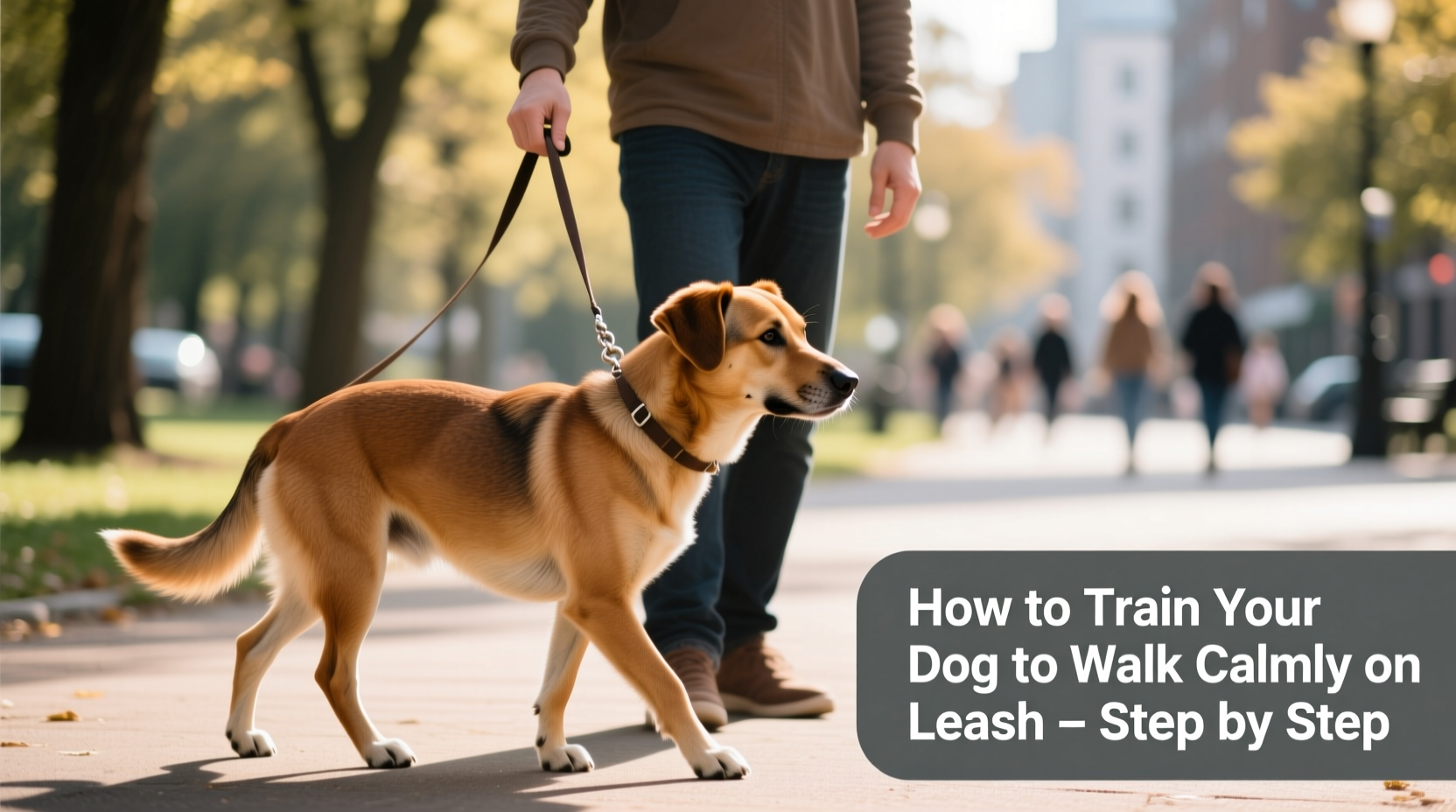
Dogs are naturally curious and eager to explore their environment. When they see something interesting — another dog, a squirrel, or even a new scent — their instinct is to move toward it quickly. Since the leash connects them to you, their forward motion results in pulling. From the dog’s perspective, pulling works: every time they surge ahead, they get closer to what they want. This unintentional reward reinforces the behavior.
Additionally, many dogs have never been taught an alternative. They don’t understand that walking beside you is the desired behavior. Without guidance, they default to moving at their own pace, often dragging their handler behind them.
“Leash pulling is not defiance — it’s a communication gap. Dogs pull because they haven’t learned a better way.” — Dr. Sophia Yin, Veterinarian and Animal Behaviorist
Essential Tools for Success
Before beginning training, ensure you have the right equipment. The wrong gear can make training harder or even counterproductive.
| Tool | Purpose | Recommended Options |
|---|---|---|
| Front-Clip Harness | Redirects dog’s momentum when they pull, making it easier to guide them back | Walk Your Dog With Love, SENSE-ation, or Freedom Harness |
| Standard Flat Collar | For ID tags and backup control (not primary walking tool if pulling occurs) | Nylon or biothane collar with secure buckle |
| 6-Foot Leash | Provides optimal control and range; avoid retractable leashes during training | Webbed nylon or leather leash with comfortable handle |
| Treat Pouch | Keeps high-value treats accessible for quick rewards | Fanny pack or clip-on pouch worn at hip level |
Step-by-Step Training Plan
Training a dog to walk without pulling takes time, but breaking it into manageable steps ensures steady progress. Follow this timeline over 2–6 weeks, depending on your dog’s age, energy level, and prior habits.
- Start in a Low-Distraction Environment
Begin indoors or in a quiet backyard. Attach the harness and leash, let your dog get used to the feel, then stand still. The moment the leash goes slack, mark with a word like “Yes!” and offer a treat. Repeat until your dog consistently looks at you when the leash is attached. - Teach “Attention” on Cue
Say your dog’s name. When they look at you, immediately say “Yes!” and treat. Practice this in short sessions until your dog turns to you instantly. This becomes your reset button during walks. - Introduce Movement with Reinforcement
Take one step forward. If the leash remains loose, mark and treat. Take two steps, then three. Reward frequently for staying near you. If the leash tightens, stop immediately. Stand like a tree — no talking, tugging, or reacting. Wait for the leash to go slack, then mark and treat before resuming. - Add Direction Changes
Once your dog follows you for several steps, begin changing direction randomly. Turn 90 or 180 degrees whenever they start to drift ahead. Reward them for catching up and walking beside you. This teaches them to stay attentive to your movements. - Incorporate Verbal Cues
Choose a cue like “Let’s go” or “Heel” to signal the start of walking. Use it only when stepping forward with a loose leash. Over time, your dog will associate the phrase with calm walking. - Gradually Increase Distractions
Move training to quieter sidewalks, then busier streets. Start with short sessions (5–10 minutes) and extend as your dog improves. Always carry high-value treats (like chicken or cheese) in distracting environments. - Phase Out Treats Strategically
Once your dog walks reliably beside you, switch to intermittent rewards. Sometimes treat after three steps, sometimes after ten. Keep your dog guessing so they stay engaged. Eventually, praise and life rewards (e.g., sniffing permission) can replace food.
Realistic Timeline Example
- Week 1: Master attention and single-step movement indoors.
- Week 2: Walk 10 consecutive steps with loose leash in yard.
- Week 3: Handle mild distractions (e.g., passing car) on quiet street.
- Week 4–6: Walk confidently through moderate distractions with minimal corrections.
Common Mistakes to Avoid
Even well-intentioned owners can accidentally sabotage progress. Recognizing these pitfalls helps maintain consistency.
| Mistake | Why It’s Harmful | Better Approach |
|---|---|---|
| Yanking the leash to correct pulling | Creates tension and may trigger opposition reflex (dog pulls harder) | Stop and wait for slack before moving |
| Allowing pulling sometimes (e.g., “just this once”) | Reinforces the idea that pulling works occasionally | Be consistent: never let the dog move forward when the leash is tight |
| Using retractable leashes during training | Teaches dogs to roam ahead and ignore proximity to handler | Use a 4–6 foot fixed-length leash |
| Expecting perfection too soon | Leads to frustration and inconsistent responses | Break skills into small steps and celebrate progress |
“Consistency is more important than intensity. A few mindful minutes every day build better habits than one perfect walk a week.” — Karen Pryor, Animal Training Pioneer
Mini Case Study: Transforming Max, the Eager Beagle
Max, a two-year-old beagle, pulled so hard on walks that his owner, Sarah, developed shoulder pain. Walks were stressful, and Max ignored her calls. Sarah started training using the steps above. She began in her living room, rewarding Max for keeping the leash loose over just two steps. After three days, Max could follow her around the kitchen without pulling.
She moved to the backyard, introducing direction changes. When Max lunged toward a bird, she stopped. After 15 seconds, Max glanced back and relaxed the leash — she marked and treated. Over two weeks, Max progressed to walking 20 feet on a loose leash around the block. By week four, he could pass a parked dog without surging forward. Today, Max walks calmly for 30 minutes, checking in frequently, and earns sniff breaks as rewards.
The key? Sarah never allowed forward motion while the leash was tight. She also carried boiled chicken in high-distraction areas, making it worth Max’s while to stay close.
Checklist: Daily Leash Training Routine
- ✅ Use a front-clip harness and 6-foot leash
- ✅ Fill treat pouch with high-value rewards
- ✅ Start session in low-distraction area
- ✅ Practice “attention” cue before walking
- ✅ Take one step; reward for loose leash
- ✅ Stop immediately if leash tightens; wait for slack
- ✅ Change direction randomly to keep dog engaged
- ✅ End on a positive note (e.g., successful loop or sit)
- ✅ Limit session to 5–10 minutes
- ✅ Practice 2–3 times per day
FAQ
What if my dog refuses to come back when I stop?
If your dog ignores you when you stop, try making a silly noise (like a kissy sound or squeak) to regain attention. You can also take a few quick steps backward — many dogs will follow. As soon as they turn or loosen the leash, mark and reward. Avoid calling repeatedly; instead, reset with a treat near your chest to lure them into position.
Can older dogs learn not to pull?
Absolutely. Age doesn’t prevent learning, though it may require more patience. Older dogs often have deeply ingrained habits, so start where they are. Break training into smaller increments and use higher-value rewards. Consistency over time will reshape their expectations about walking.
Should I use a head halter like a Gentle Leader?
Head halters can be effective for some dogs, especially strong pullers, but they require proper fitting and gradual acclimation. Introduce it in short sessions with treats so your dog associates it with good things. Never use force to tighten or yank. Many trainers prefer front-clip harnesses as they are less intrusive and equally effective when paired with positive reinforcement.
Final Thoughts and Call to Action
Teaching your dog to walk calmly on a leash is one of the most valuable skills you can share. It transforms daily walks from a battle into a bonding experience, strengthens your communication, and supports your dog’s mental well-being. Remember, progress isn’t linear. Some days your dog will forget everything — that’s normal. What matters is returning to the basics with patience and positivity.
You don’t need special talent, just commitment. Every time you stop when the leash tightens, you’re teaching your dog that pulling doesn’t work. Every time you reward attention, you’re building trust. Over time, those small moments add up to lasting change.




 浙公网安备
33010002000092号
浙公网安备
33010002000092号 浙B2-20120091-4
Comments
No comments yet. Why don't you start the discussion?