
Hamsters are naturally clean animals, often choosing one area of their cage to use as a bathroom. This instinct makes it possible—and practical—to guide them toward using a specific corner consistently. While they won’t be house-trained like cats or dogs, with patience and consistency, you can encourage your hamster to confine its waste to a designated zone. Doing so improves cage hygiene, simplifies cleaning, and enhances the overall living environment for your pet.
Training a hamster isn’t about commands or rewards in the traditional sense. Instead, it relies on understanding their behavior, leveraging scent cues, and shaping their environment to support desired habits. This guide walks through the science-backed methods, practical steps, and common pitfalls involved in successfully training your hamster to use a particular corner for waste.
Understanding Hamster Bathroom Habits
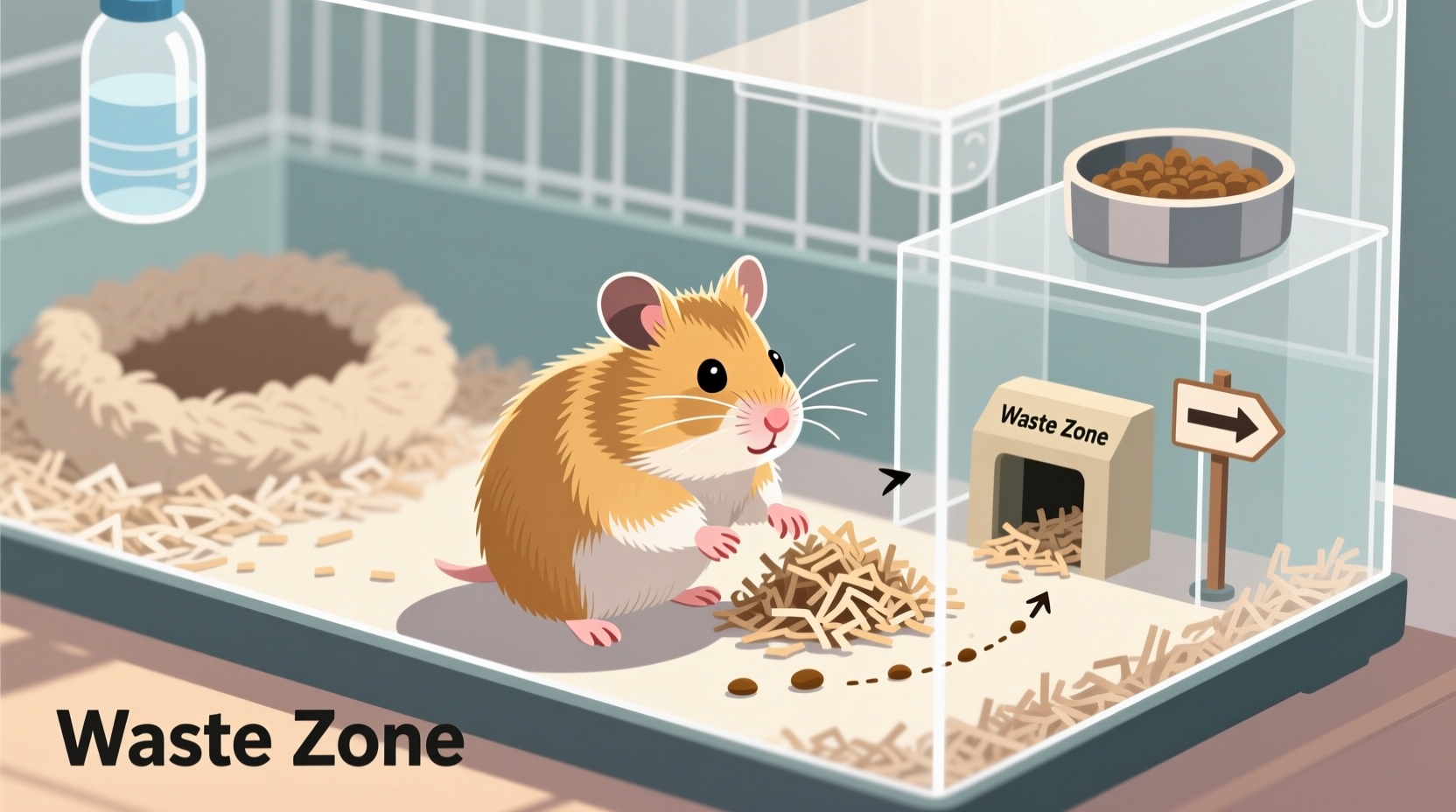
Before attempting any training, it’s essential to understand your hamster’s natural tendencies. Most hamsters develop a preferred spot for urination and defecation within days of being introduced to a new cage. This preference is driven by scent marking—hamsters have scent glands on their flanks, and they use urine to mark territory and communicate.
Syrian hamsters, in particular, are highly territorial and tend to establish consistent bathroom zones. Dwarf species like Roborovskis or Campbell’s may be slightly less predictable due to higher activity levels, but they still exhibit patterns over time.
The key insight is this: you’re not teaching a new behavior, but rather guiding an existing instinct toward a more convenient location. By placing bedding, absorbent materials, or even a small litter box in the right spot, you can reinforce the habit and make cleanup easier.
“Hamsters thrive on routine and environmental cues. A stable setup with consistent placement of resources—including a designated waste area—supports both physical and mental well-being.” — Dr. Lena Patel, Small Mammal Behavior Specialist
Step-by-Step Guide to Training Your Hamster
Training should be gradual and stress-free. Sudden changes or forced corrections will only frighten your pet and disrupt progress. Follow this six-step process over 7–14 days for best results.
- Observe Natural Behavior: For 2–3 days, do not clean the cage completely. Note where your hamster consistently urinates or leaves droppings. This is their instinctive choice and the ideal starting point for training.
- Select the Target Corner: Choose a quiet, low-traffic corner of the cage—preferably away from food and sleeping areas. If your hamster already uses a corner close to this, start there. Otherwise, prepare to gently shift the behavior.
- Add Absorbent Material: Place a thick layer of paper-based bedding or unscented cat litter (non-clumping, dust-free) in the target corner. Avoid wood shavings, which can be dusty and irritating.
- Transfer Scent Markers: After observing your hamster’s current bathroom spot, collect soiled bedding (with urine-soaked clumps or feces) and place it directly into the target corner. The familiar scent encourages continued use.
- Restructure the Cage Layout: Gradually reduce bedding in the old bathroom area while increasing it in the new one. Remove food bowls or toys near the old spot if they’re contributing to confusion.
- Maintain Consistency: Clean only the non-bathroom areas daily. Once a week, replace the waste corner’s bedding entirely, but always leave a small portion of used material to preserve the scent cue.
Tools and Materials That Help
While no specialized equipment is required, certain items can enhance the effectiveness of training. Below is a comparison of common options for creating a functional waste zone.
| Material | Pros | Cons | Best For |
|---|---|---|---|
| Paper-based bedding (e.g., Carefresh) | Highly absorbent, low dust, safe if ingested | Can be expensive in bulk | All hamster types |
| Unscented, non-clumping cat litter | Excellent odor control, holds shape | Risk of ingestion; must be 100% dust-free | Syrian hamsters (older than 12 weeks) |
| Hay or shredded paper | Cheap, natural, chew-safe | Less absorbent, may mix with nesting | Dwarf hamsters |
| Commercial small animal litter boxes | Contain mess, fit snugly in corners | Limited size options, may be ignored | Owners seeking tidy solutions |
A shallow ceramic dish or plastic container (like a Tupperware corner insert) can serve as a makeshift litter box. Ensure it has low sides so your hamster can enter easily. Avoid deep containers that could trap moisture or pose escape risks.
Common Challenges and How to Overcome Them
Not every hamster adapts quickly. Some factors can interfere with training success:
- Multiple bathroom spots: Young or newly adopted hamsters may not have established routines. Give them time—up to two weeks—to settle in before beginning structured training.
- Cage too large or complex: Oversized enclosures with many levels can scatter behaviors. Simplify the layout during training, focusing on one level and clear zones.
- Diet-related issues: High-water-content foods (like cucumber) increase urination frequency and unpredictability. Stick to dry pellets and limited fresh treats during training.
- Stress or illness: A hamster under stress may eliminate randomly. Signs include lethargy, hiding, or aggression. Address underlying causes before continuing.
Mini Case Study: Training a Rescue Dwarf Hamster
Sophie adopted a 4-month-old Roborovski dwarf hamster from a local shelter. The hamster had no consistent bathroom habits and scattered droppings throughout the cage. Sophie began by leaving the cage untouched for three days, noting that most waste appeared in the far left corner near the exercise wheel.
She placed a shallow ceramic dish in that corner filled with recycled paper bedding and added a small clump of soiled material from the previous night. She removed the wheel temporarily to reduce stimulation in that area and moved her food bowl to the opposite side.
Within five days, the hamster began using the dish regularly. By day ten, 90% of waste was confined to the corner. Sophie now cleans the dish every other day and reports much easier maintenance and a fresher-smelling room.
Checklist for Successful Waste Training
Use this checklist to ensure you're covering all critical steps:
- ☑ Observe your hamster’s natural bathroom habits for 2–3 days
- ☑ Choose a quiet, accessible corner for the waste zone
- ☑ Use safe, absorbent bedding material (avoid pine or cedar)
- ☑ Transfer soiled bedding to the target area to establish scent
- ☑ Minimize disturbances near the chosen corner
- ☑ Clean surrounding areas daily, preserving the waste corner’s scent
- ☑ Be patient—allow 1–2 weeks for full adaptation
- ☑ Adjust layout if progress stalls
FAQ: Common Questions About Hamster Toilet Training
Can all hamsters be trained to use one corner?
Most hamsters will naturally favor one area, but consistency varies by individual and species. Syrians are typically more predictable than dwarfs. Full “training” means reinforcing instinct, not forcing new behavior.
Is it safe to use cat litter for hamsters?
Only if it’s unscented, non-clumping, and made from paper or corn. Clumping litters can cause fatal impactions if ingested, and clay-based litters produce harmful dust. Always supervise initial use.
How often should I clean the waste corner?
Remove heavily soiled sections every 1–2 days. Replace all bedding in the corner weekly, but always leave a small amount of used material to maintain scent continuity.
Final Tips for Long-Term Success
Once your hamster consistently uses the designated corner, maintenance becomes simple. However, life changes—such as introducing a new cage, changing bedding brands, or adding a companion—can reset habits. Be prepared to repeat the scent-transfer process when needed.
Also, remember that hamsters sometimes “forget” during periods of excitement or exploration. Occasional droppings elsewhere are normal and shouldn’t be seen as training failure. Focus on trends, not isolated incidents.
Over time, you’ll find that a well-established waste zone reduces odors, minimizes cleaning time, and supports a healthier habitat. It also reflects a deeper understanding of your pet’s instincts—an important part of responsible ownership.
“The bond between a hamster and owner grows when care is based on observation and respect for natural behavior. Training isn’t about control—it’s about cooperation.” — Dr. Arjun Mehta, Exotic Pet Veterinarian
Conclusion: Start Small, Stay Consistent
Training your hamster to use a specific corner for waste is a realistic goal that benefits both pet and owner. By working with your hamster’s instincts instead of against them, you create a cleaner, more pleasant environment with minimal effort. The process requires observation, patience, and attention to detail—but no special tools or expertise.
Begin today by watching where your hamster naturally goes. Then, gently guide that behavior using scent and layout. Celebrate small wins, stay consistent, and remember that every hamster learns at their own pace.




 浙公网安备
33010002000092号
浙公网安备
33010002000092号 浙B2-20120091-4
Comments
No comments yet. Why don't you start the discussion?