
Parrots are among the most intelligent and expressive birds in the animal kingdom. Their ability to mimic human speech is not just a party trick—it’s a sign of deep cognitive function and social bonding. Yet, many new parrot owners grow frustrated when their bird doesn’t start talking right away. The truth is, teaching a parrot to speak isn’t about forcing sounds; it’s about building trust, creating routine, and understanding your bird’s natural instincts. With patience and consistency, even first-time owners can guide their parrot toward clear, meaningful vocalizations.
The key lies not in repetition alone, but in connection. Parrots learn to talk because they want to belong to their flock—your family. When you approach training as a form of communication rather than performance, progress becomes natural, enjoyable, and lasting.
Understanding Your Parrot’s Natural Ability to Speak
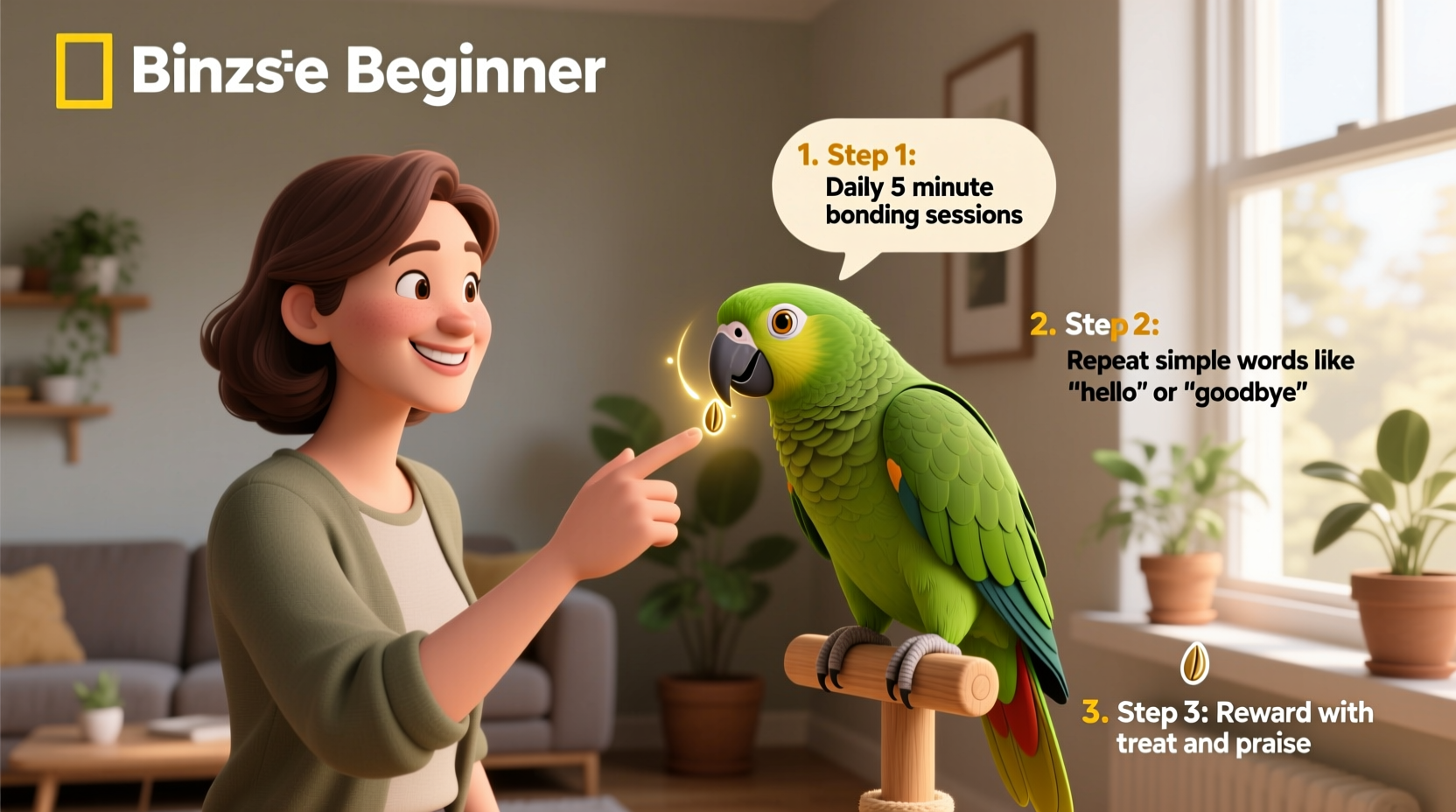
Not all parrots speak, and not all species are equally inclined to mimic human language. African Greys, Amazon parrots, and Budgerigars are known for their advanced vocal skills, while Pionus or Quaker parrots may pick up fewer words but still communicate meaningfully. Age also matters: younger birds, especially under two years old, tend to absorb language more readily.
It's important to recognize that talking is not instinctive in the way singing is for songbirds. Instead, it’s learned behavior. In the wild, parrots use calls to maintain contact with their flock. In a home environment, your parrot sees you as its flock. When it mimics your voice, it’s attempting to integrate, respond, and participate.
However, forcing a parrot to talk—through loud repetition, isolation, or pressure—can backfire. Stress inhibits learning. A scared or anxious bird will shut down, retreating into silence or expressing discomfort through feather plucking, screaming, or aggression. Successful training begins with emotional safety, not volume.
“Parrots don’t imitate sounds because we tell them to—they do it because they feel connected. The strongest predictor of vocal mimicry isn’t species alone, but the quality of the relationship.” — Dr. Irene Pepperberg, Avian Cognition Researcher
Step-by-Step Guide: Training Your Parrot to Talk Calmly and Effectively
Training a parrot to talk is less about drills and more about daily integration. Follow these six structured steps to encourage speech naturally and without frustration.
- Build Trust First
Spend time near your parrot without demanding interaction. Sit quietly, read aloud, or talk softly while doing household tasks. Let your bird observe you. Over days or weeks, offer treats from your hand, always respecting body language. A relaxed, curious parrot is ready to learn. - Choose One Clear Word to Start
Pick a simple, high-frequency word like “hello,” “night-night,” or your parrot’s name. Use it consistently during greetings or bedtime routines. Say it slowly and clearly, then pause to allow space for imitation. Avoid background noise or multiple voices. - Pair Words with Actions
Link speech to predictable events. Say “bye-bye” every time you leave the room. Say “good morning” when you uncover the cage. This contextual repetition helps your parrot associate sound with meaning. - Respond to Any Vocal Attempt
If your parrot makes even a slight approximation—like a squeak or warble—respond enthusiastically with praise and a treat. Immediate positive reinforcement strengthens the connection between effort and reward. - Keep Sessions Short and Positive
Limit focused training to 5–10 minutes, twice a day. End on a good note—even if no progress was made. Never punish silence. Frustration kills motivation. - Expand Gradually
Once your parrot reliably says one word, introduce a second after several weeks. Add phrases slowly, always reinforcing previous vocabulary in daily conversation.
Common Mistakes That Hinder Progress
Even well-meaning owners unknowingly sabotage their efforts. Awareness of these pitfalls can save months of stalled training.
- Overloading with too many words at once: Parrots thrive on repetition. Introducing new phrases daily overwhelms their memory and weakens retention.
- Ignoring body language: Signs of stress—flattened feathers, pinned eyes, turning away—mean it’s time to stop. Pushing through causes long-term distrust.
- Using recordings instead of live interaction: While audio clips might entertain, they lack the social feedback parrots need to learn. Real human responses are irreplaceable.
- Expecting immediate results: Some parrots take weeks to attempt speech; others take months. Consistency matters far more than speed.
- Talking loudly or excitedly when the bird vocalizes: While enthusiasm seems helpful, sudden loudness can scare sensitive birds. Celebrate quietly with gentle praise and a treat.
| Do | Don't |
|---|---|
| Say one word clearly and pause | Repeat a word rapidly or shout it |
| Train when your parrot is calm and alert | Force sessions during molting or napping |
| Use treats sparingly (e.g., sunflower seed) | Overfeed or use sugary rewards |
| Include the word in daily routines | Isolate training from real-life context |
| Praise attempts, not just perfection | Ignore or correct imperfect sounds |
Creating the Right Environment for Learning
A parrot’s surroundings directly impact its willingness to vocalize. An overstimulated or lonely bird won’t focus on learning. Consider these environmental factors to support speech development.
Daily Routine: Parrots are creatures of habit. A predictable schedule—feeding, playtime, sleep—reduces anxiety and frees mental energy for learning.
Cage Placement: Place the cage in a low-traffic but socially active area, such as a corner of the living room. Avoid kitchens (toxic fumes) or isolated rooms. Your parrot should see and hear family life without feeling overwhelmed.
Enrichment: Mental stimulation supports vocal development. Rotate toys weekly, include puzzle feeders, and allow supervised out-of-cage time. A bored parrot has little reason to communicate.
Noise Control: While parrots enjoy ambient sound, constant TV noise or loud music interferes with clarity. Designate quiet times for training where your voice stands out.
Real Example: How Mia Taught Her Young Congo African Grey to Say “Good Morning”
Mia adopted Kito, a one-year-old Congo African Grey, with no prior speech. For the first month, she focused only on bonding—hand-feeding snacks, talking gently during chores, and letting him explore her shoulder during calm moments. She avoided pushing interaction.
At week six, she began saying “Good morning, Kito!” in a warm, clear tone every time she uncovered the cage. She paused for three seconds, then offered a millet spray. At first, Kito only chirped. But by week nine, he began making a gravelly “g’mon…” sound. Mia responded instantly: “Yes! Good morning!” and gave the treat.
By week twelve, “good morning” emerged clearly. Mia didn’t add new words immediately. Instead, she used the phrase throughout the day—during video calls, with visitors, even jokingly at noon. Kito started using it spontaneously when he saw her enter the room.
Today, seven months later, Kito says five words and combines “good morning” with “want nut?” His progress wasn’t fast, but it was steady—and built on mutual trust.
Essential Checklist for Beginner Parrot Speech Training
Use this checklist weekly to stay on track and ensure you’re providing the best conditions for success.
- ✅ Spent quality time near the bird without demands
- ✅ Used one target word consistently in daily routines
- ✅ Kept training sessions under 10 minutes, twice daily
- ✅ Responded positively to any vocal attempt
- ✅ Avoided loud noises or distractions during practice
- ✅ Monitored body language for signs of stress
- ✅ Maintained a stable daily schedule
- ✅ Placed cage in a safe, social area of the home
- ✅ Offered mental enrichment (toys, puzzles, exploration)
- ✅ Celebrated small progress, not just full words
Frequently Asked Questions
Can all parrots learn to talk?
No, not all parrots will talk. While some species are more vocal, individual personality plays a big role. Some parrots prefer whistling or non-verbal communication. Even silent parrots can be deeply bonded and intelligent companions.
My parrot hasn’t made a sound in months. Should I be worried?
Not necessarily. Some parrots remain quiet for extended periods before suddenly speaking. As long as your bird is eating, active, and showing interest in people, it’s likely just observing. Continue consistent, calm interaction without pressure.
Is it okay to use apps or videos to teach my parrot?
These can supplement training but shouldn’t replace live interaction. Parrots learn best through social feedback—seeing your mouth move, hearing tone shifts, and receiving rewards. Recordings lack this dynamic exchange and may cause confusion if overused.
Final Thoughts: Patience Is the True Teacher
Teaching a parrot to talk isn’t about shortcuts or tricks. It’s about presence. The most successful trainers aren’t those who drill the loudest, but those who listen the closest. Every glance, head tilt, and soft chirp is part of a growing dialogue.
When you shift your goal from “getting my bird to talk” to “understanding my bird better,” the words begin to come naturally. They emerge not as performances, but as invitations—to connect, to respond, to belong.
Your parrot doesn’t need perfection. It needs consistency, kindness, and the confidence that you’ll respond when it tries. Whether it learns one word or fifty, what matters most is the bond you build along the way.




 浙公网安备
33010002000092号
浙公网安备
33010002000092号 浙B2-20120091-4
Comments
No comments yet. Why don't you start the discussion?