
Puppies explore the world with their mouths. While playful nipping may seem harmless at first, unchecked biting can develop into problematic behavior as your dog grows. The good news is that you don’t need punishment or intimidation to correct it. With patience, consistency, and positive reinforcement, you can teach your puppy appropriate behavior while strengthening your bond. This guide outlines practical, evidence-based strategies to stop puppy biting without damaging trust.
Why Puppies Bite: Understanding the Behavior
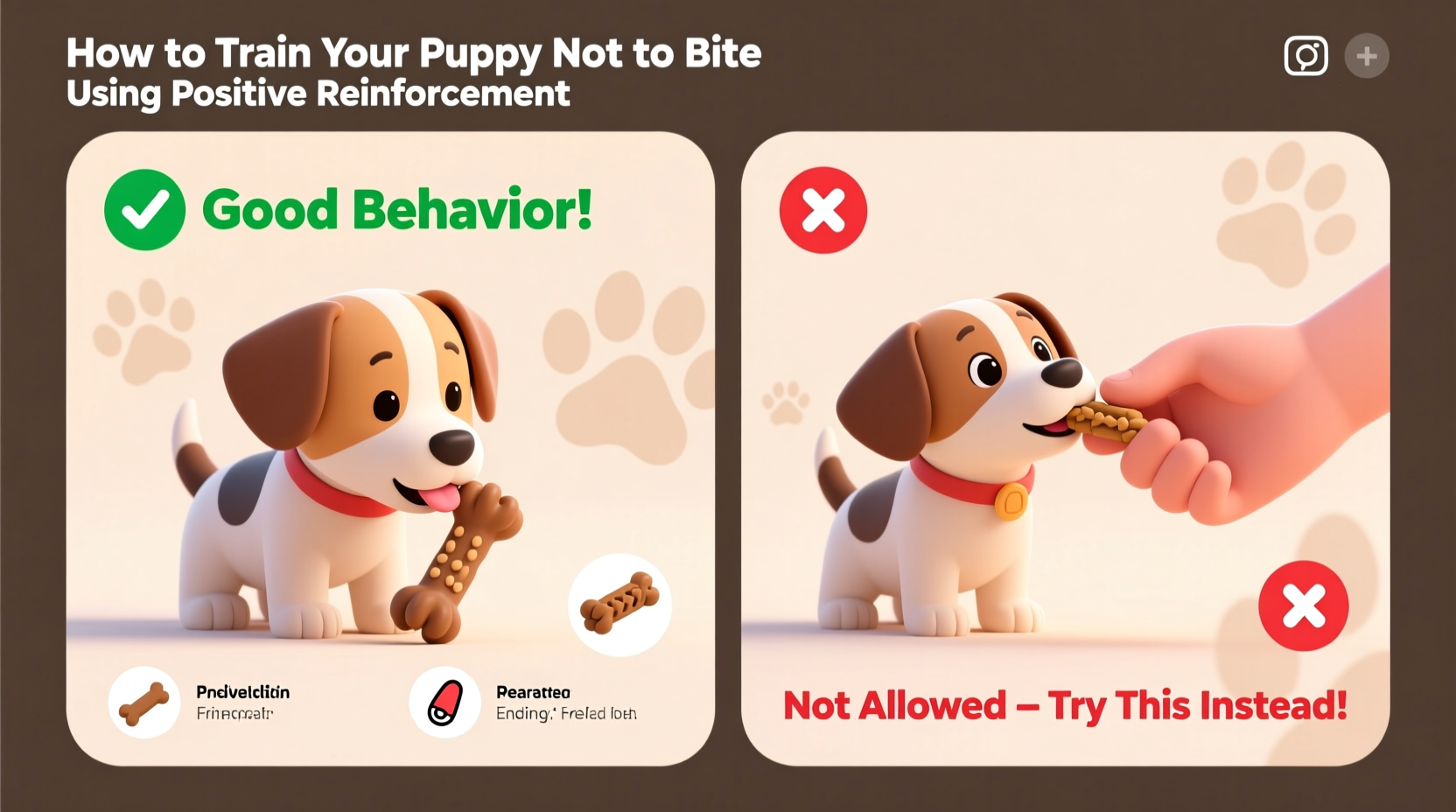
Biting in puppies isn't aggression—it's communication, exploration, and play. From three to sixteen weeks old, puppies learn bite inhibition through interaction with littermates and their mother. When one pup bites too hard during play, the other yelps and stops playing. This feedback teaches the biter to moderate pressure. Puppies who miss this social learning phase—especially those separated early from their litter—are more likely to use their mouths inappropriately with humans.
Additionally, teething begins around 3–4 months of age, prompting puppies to chew on anything within reach. Combine natural curiosity with an instinct to mouth objects, and you have a recipe for frequent nips. Recognizing these motivations helps you respond with empathy rather than frustration.
“Puppies don’t come out of the womb knowing human rules. They learn them through consistent, kind guidance.” — Dr. Sophia Yin, Veterinary Behaviorist
The Power of Positive Reinforcement
Positive reinforcement works by rewarding desired behaviors, making them more likely to recur. Instead of scolding your puppy for biting, you redirect the behavior and reward calm, gentle interactions. This method aligns with modern animal training principles endorsed by the American Veterinary Society of Animal Behavior (AVSAB), which emphasizes that punishment-based techniques can escalate anxiety and aggression.
When a puppy receives treats, praise, or toys for choosing not to bite, they begin to associate self-control with positive outcomes. Over time, the puppy learns that being calm earns rewards—biting does not.
Key Principles of Positive Reinforcement Training
- Timing matters: Reward your puppy immediately after the desired behavior (within 1–2 seconds).
- Consistency is crucial: Everyone in the household must respond the same way to biting.
- Use high-value rewards: Soft treats, favorite toys, or brief play sessions work best.
- Keep sessions short: 5–10 minutes, several times a day, prevents overload.
Step-by-Step Guide to Stop Puppy Biting
Follow this structured approach over 2–6 weeks, depending on your puppy’s temperament and exposure to previous training.
- Recognize warning signs: Watch for stiff body posture, intense staring, or sudden lunging—these often precede a bite.
- Redirect before the bite: If your puppy heads toward your hand or foot, calmly offer a chew toy instead.
- React to bites appropriately: If bitten, let out a high-pitched “ouch!” to mimic a hurt littermate, then immediately stop all interaction for 10–20 seconds.
- Re-engage only when calm: Once your puppy is quiet, resume attention and reward with a toy or treat.
- Practice bite inhibition: During play, allow gentle mouthing but end the game if teeth make contact with skin.
- Build alternative behaviors: Teach commands like “sit” or “leave it” and reward compliance with treats or affection.
This process mimics natural canine social learning. Over time, your puppy learns that soft mouthing allows continued play, while hard biting ends fun.
Real Example: Training Bella, the Labrador Retriever Puppy
Bella, a 12-week-old Labrador, joined her new home full of energy. She loved chasing feet and chewing hands during play. Her owners responded by yelling “No!” and tapping her nose—an approach that only made her more excited.
After switching to positive reinforcement, they changed tactics. Each time Bella nipped, they said “ouch,” stood up, and turned away for 15 seconds. Then, they offered a rubber Kong filled with peanut butter. Within two weeks, Bella began grabbing her toy instead of hands. By week five, she would sit automatically when excitement peaked. The key was consistency—every family member followed the same steps.
Essential Tools and Techniques
Equipping yourself with the right tools makes training more effective and less stressful.
Recommended Chew Toys
| Toy Type | Best For | Examples |
|---|---|---|
| Rubber chew toys | Durability and teething relief | Kong Classic, West Paw Zogoflex |
| Soft plush toys | Gentle mouthing and comfort | Snuggle-safe plush animals |
| Frozen items | Sore gums during teething | Frozen banana in a Kong, chilled washcloth |
| Interactive puzzle toys | Mental stimulation and redirection | Nina Ottosson puzzles, Outward Hound Hide-A-Squirrel |
Managing Excitement Levels
Overstimulation leads to increased biting. Keep play sessions controlled and end them before your puppy becomes wild. Use calming signals such as turning your head away, lowering your voice, or sitting quietly to signal that rough play is over.
If your puppy continues to lunge or bite despite redirection, place them in a short timeout (30–60 seconds) in a safe, boring area like a puppy-proofed bathroom. Avoid scolding—this is simply a break from stimulation. Afterward, re-engage calmly.
Common Mistakes to Avoid
Even well-meaning owners can unintentionally reinforce biting. Be mindful of these pitfalls:
- Using hands as toys: Wiggling fingers or wrestling with hands teaches puppies that human skin is for biting.
- Inconsistency: One person allowing mouthing while another punishes creates confusion.
- Delayed rewards: If you wait too long to give a treat, the puppy won’t connect the behavior with the reward.
- Ignoring prevention: Not managing the environment (e.g., leaving shoes on the floor) sets your puppy up to fail.
- Expecting instant results: Learning takes time. Progress may be slow at first, then accelerate.
“Training isn’t about perfection—it’s about progress. Celebrate small wins.” — Victoria Stilwell, Dog Trainer and TV Host
Checklist: Daily Routine for Bite Prevention
Follow this checklist every day for at least four weeks to build lasting habits.
- ✅ Provide at least 3 chew toys accessible at all times
- ✅ Schedule 3–5 short training sessions (5–10 minutes each)
- ✅ End play immediately after any skin contact
- ✅ Reward calm behavior with treats or affection
- ✅ Rotate toys weekly to maintain interest
- ✅ Supervise all interactions between puppy and children
- ✅ Practice “sit” and “leave it” daily
- ✅ Avoid roughhousing or chase games that encourage biting
FAQ: Frequently Asked Questions
Is it normal for my puppy to bite so much?
Yes, especially between 8–16 weeks. Mouthing is a developmental stage. With proper training, most puppies reduce biting significantly by 6 months of age.
Should I ever use punishment to stop biting?
No. Yelling, hitting, or holding the puppy’s mouth shut can create fear, erode trust, and lead to defensive aggression. Positive reinforcement is safer and more effective long-term.
What if my puppy only bites certain people?
Puppies often target individuals who move quickly or play roughly. Ensure everyone uses the same training method. Children should be taught to stay calm and avoid squealing or running, which can trigger prey drive.
Conclusion: Building a Calm, Confident Companion
Teaching your puppy not to bite is one of the most important foundations of responsible pet ownership. By using positive reinforcement, you’re not just stopping unwanted behavior—you’re shaping a confident, emotionally balanced dog. Every time you redirect a bite with a toy, respond to nipping with calm disengagement, or reward gentle behavior, you're reinforcing trust and mutual respect.
Progress may feel slow at times, but consistency pays off. In a few months, you’ll notice fewer incidents, better impulse control, and a deeper connection with your pet. Start today: stock up on chew toys, gather your household, and commit to a kind, structured approach.




 浙公网安备
33010002000092号
浙公网安备
33010002000092号 浙B2-20120091-4
Comments
No comments yet. Why don't you start the discussion?