
Switching to a new Android phone shouldn’t mean starting your favorite mobile games from scratch. Whether you’ve spent weeks leveling up in a role-playing game or finally unlocked that elusive achievement, losing progress can be frustrating. Fortunately, modern Android devices and game platforms offer multiple ways to preserve and transfer your game data. With the right approach, you can continue exactly where you left off—on a new device, without missing a beat.
The key lies in understanding how different games store progress and which syncing mechanisms they support. While some titles automatically save to the cloud via Google Play Games, others rely on third-party accounts like Facebook or Apple Game Center (via cross-platform sync). Still, others may require manual backups or developer-specific solutions. This guide breaks down every reliable method to ensure your game progress transfers smoothly and securely.
Understanding How Game Progress is Stored
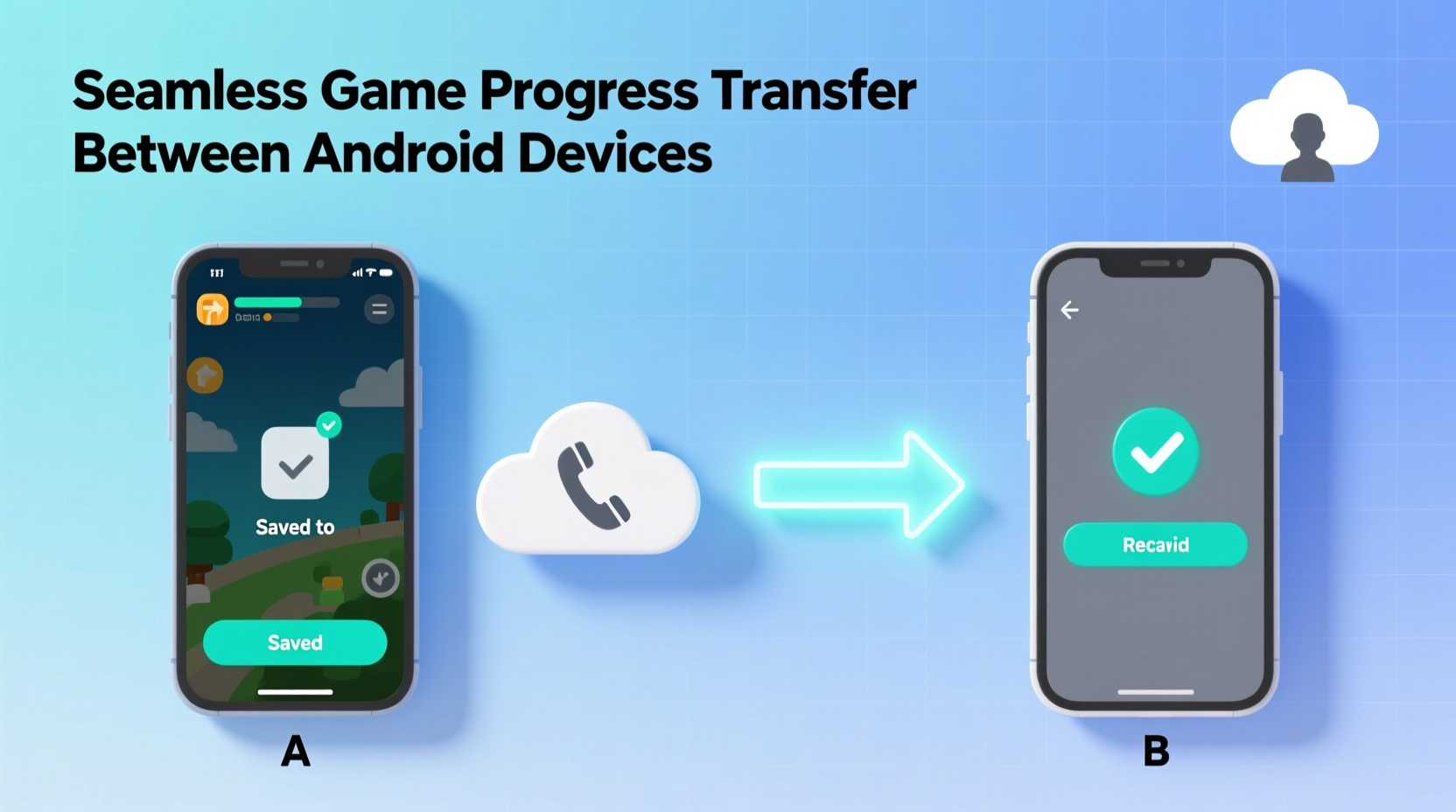
Before attempting any transfer, it’s essential to know where your game data lives. Most mobile games use one of three storage models:
- Local Storage: Data is saved only on the device’s internal memory. If not backed up, switching devices means losing all progress.
- Cloud Sync via Platform: Games integrate with services like Google Play Games, allowing automatic syncing across devices logged into the same Google account.
- Third-Party Account Linking: Titles like Clash of Clans or Candy Crush use proprietary systems (e.g., Supercell ID, King Account) to tie progress to an external login.
Games that don’t support cloud saving or account linking are the most vulnerable to data loss during device transitions. Always check a game’s settings for “Sync,” “Backup,” or “Link Account” options before upgrading your phone.
“Over 60% of mobile gamers lose progress when switching devices due to lack of awareness about cloud syncing.” — Dr. Lena Torres, Mobile UX Researcher at GameAnalytics Institute
Step-by-Step: Transferring Progress Using Google Play Games
If your game supports Google Play Games, the process is largely automated—but only if you’ve enabled syncing beforehand. Follow this timeline to ensure a seamless transition:
- Verify Google Account Access: On your old device, confirm you're signed into the correct Google account under Settings > Google > Manage your Google Account.
- Open the Game: Launch each game you want to transfer and navigate to its settings or pause menu.
- Enable Cloud Save: Look for options labeled “Sync with Google Play,” “Save Progress Online,” or similar. Enable them.
- Trigger a Manual Save (if available):strong> Some games allow you to tap “Upload Progress” to force a sync.
- Wait for Confirmation: Leave the game open briefly to ensure data uploads successfully.
- Set Up New Device: Sign into the same Google account on your new Android phone.
- Install the Game: Download the app from the Google Play Store.
- Allow Sync on Launch: When opening the game, permit it to restore from cloud save when prompted.
Using Developer-Specific Accounts for Cross-Device Sync
Many popular games bypass Google’s ecosystem entirely, opting instead for their own authentication systems. These are often more reliable than platform-based saves because they’re tightly controlled by the developers.
Examples include:
- Supercell ID: Used in Clash Royale, Clash of Clans, and Brawl Stars.
- King Account: Powers Candy Crush Saga, Farm Heroes, and other King titles.
- Tencent/Garena Accounts: Common in Asian-market games like Free Fire.
- Apple Game Center (via Android): Some cross-platform games like Monument Valley allow syncing through iCloud-linked accounts.
To prepare for a device switch:
- Open the game on your current device.
- Navigate to Settings or Profile.
- Find the account section and create or log into your dedicated game ID.
- Confirm that your progress has been uploaded (a green checkmark or “Saved” indicator usually appears).
On your new device, install the game, go to the same account menu, and log in. Your progress should appear instantly.
Mini Case Study: Recovering Clash of Clans Progress After Upgrade
Sophie upgraded from a Samsung Galaxy S20 to an S24. She had invested over eight months building her village but hadn’t linked her account. After setting up her new phone, she installed Clash of Clans—only to find a brand-new base.
Panicked, she opened the game settings and tapped “Link a Device.” Under “Sign In With Supercell ID,” she created an account using her email. The game detected existing cloud data associated with her old device and prompted her to restore. Within minutes, her entire village—including troops, upgrades, and clan membership—was back online.
The lesson? Even if you didn’t link early, many games retain temporary cloud records for days or weeks. Act quickly after setup to recover lost sessions.
Manual Backup Methods for Non-Syncing Games
Some indie or older games lack cloud integration altogether. For these, manual backup is the only option. This requires accessing internal storage files, which varies slightly depending on Android version and device manufacturer.
Locating Game Data Folders
Most games store progress in:
/Android/data/[com.game.package.name]/files/
Where [com.game.package.name] is the unique identifier for the app (e.g., com.mojang.minecraftpe for Minecraft).
To back up manually:
- Use a file manager app (like Solid Explorer or Xiaomi’s default tool).
- Navigate to Internal Storage > Android > data.
- Find the folder corresponding to your game.
- Copy the entire folder to an SD card, PC, or cloud drive (Google Drive, Dropbox).
On the new device:
- Install the same version of the game (critical—mismatched versions cause corruption).
- Close the game completely.
- Paste the backed-up folder into the same path on the new device.
- Relaunch the game; it should detect prior progress.
Limitations of Manual Backup
- Root access may be required for certain protected folders.
- Encrypted games (e.g., those with anti-cheat measures) block file copying.
- Updates between devices can invalidate old save formats.
This method works best for offline puzzle games, retro emulators, or single-player adventures without server-side validation.
Comparison Table: Transfer Methods Overview
| Method | Best For | Requires Internet? | Automatic? | Risk Level |
|---|---|---|---|---|
| Google Play Games Sync | Globally published Android games | Yes | Yes (if enabled) | Low |
| Developer Account (e.g., Supercell ID) | Popular franchises with proprietary IDs | Yes | Yes (after login) | Very Low |
| Manual File Backup | Offline or unsupported games | No (but cloud upload optional) | No | High |
| Third-Party Tools (e.g., Helium) | Non-rooted app cloning | No | Semi-automatic | Moderate |
| Manufacturer Transfer (Samsung Smart Switch, etc.) | Same-brand upgrades | No | Yes | Low to Moderate* |
*Note: Manufacturer tools copy apps but don’t always preserve cloud-linked states. Always re-authenticate accounts post-transfer.
Checklist: Ensure Seamless Game Transfer Before Switching Devices
Follow this pre-migration checklist to avoid data loss:
- ✅ Confirm your Google account is active and synced on the old device.
- ✅ Open each critical game and verify cloud sync is enabled.
- ✅ Link developer-specific accounts (Supercell ID, King Account, etc.).
- ✅ Perform a test launch on another device (if possible) to confirm sync works.
- ✅ Back up save files manually for non-cloud games.
- ✅ Note down login credentials for all gaming accounts.
- ✅ Install essential games immediately after setting up the new device.
- ✅ Check in-game profiles to confirm progress restored correctly.
Frequently Asked Questions
Can I transfer game progress without internet?
Only through manual file transfer methods. However, most modern games require online verification to prevent cheating. Offline transfers work only for purely local games and carry risks of corruption if versions differ.
Why didn’t my game restore even though I used the same Google account?
Several reasons could explain this: the game doesn’t support Google Play Games integration, sync was never enabled, or there was a delay in cloud propagation. Also, some publishers disable legacy sync features after updates. Always double-check within the game’s settings for explicit confirmation of saved status.
Do factory resets erase cloud-linked game data?
No. As long as the game progress was successfully uploaded to a server (Google Play, Supercell, etc.), a factory reset won’t delete it. Once you reinstall the game and sign in, your data will reappear. However, locally stored unsynced data will be lost permanently.
Expert Insight: The Future of Mobile Game Continuity
“As cross-platform play grows, we’re moving toward identity-centric gaming. Your progress should follow you across phones, tablets, and even consoles—not tied to hardware.” — Rajiv Mehta, Lead Engineer at Unity Technologies
This vision is already unfolding. Games like Genshin Impact and Call of Duty: Mobile maintain progress across Android, iOS, and PC via central accounts. Expect broader adoption of universal save systems in coming years, reducing dependency on individual ecosystems.
Conclusion: Secure Your Gaming Legacy
Transferring game progress between Android devices doesn’t have to be stressful. By leveraging built-in cloud services, linking dedicated accounts, and preparing manual backups for edge cases, you can protect hundreds of hours of gameplay. The effort takes less than 30 minutes per major title but pays off immensely when you power on your new phone and see your warrior at level 98 instead of level 1.
Don’t wait until after the switch to act. Start securing your game data today. Review your top five apps, enable syncs, and document your account links. That next device upgrade should feel effortless—not like starting over.




 浙公网安备
33010002000092号
浙公网安备
33010002000092号 浙B2-20120091-4
Comments
No comments yet. Why don't you start the discussion?