
Letting your hair grow out is one of the most rewarding personal style journeys, but few talk about the real challenge: the awkward middle stages. Hair that’s too long to be styled as short, yet too short to pull back or wear in updos, can feel like a limbo zone. Bangs start to fall into your eyes, layers flip outward, and sides may not lie flat. The good news? With the right care, cutting strategy, and styling techniques, you can navigate this phase smoothly—without resorting to drastic trims or feeling self-conscious.
This guide walks through practical steps, professional insights, and real-world solutions to help you maintain confidence and control throughout your hair growth journey. Whether you’re growing out a pixie cut or transitioning from shoulder-length to waist-grazing locks, these strategies will keep your hair looking intentional, healthy, and stylish at every stage.
Understanding the Growth Timeline
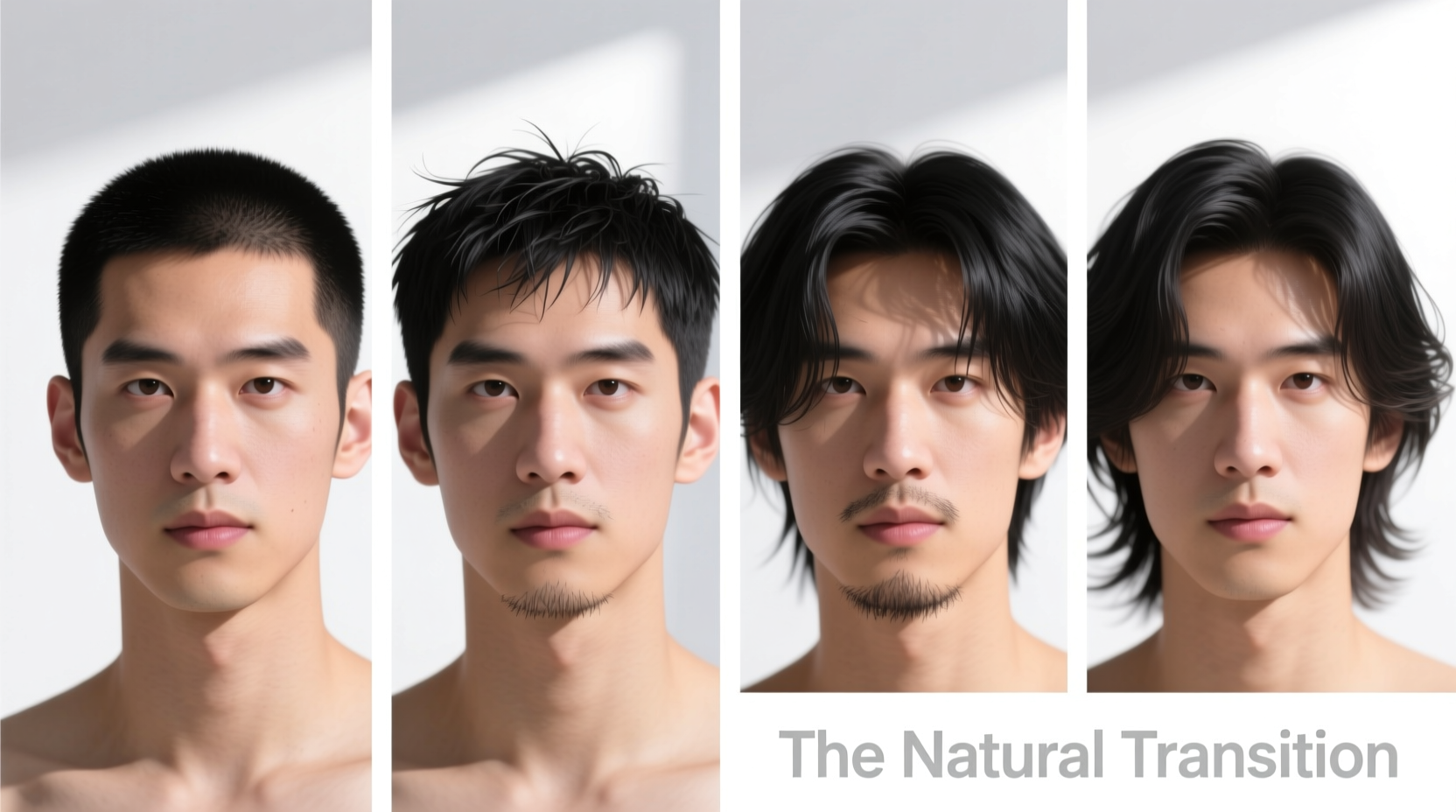
Hair grows at an average rate of about half an inch per month, which means going from short to long hair typically takes 12 to 24 months, depending on your starting length and desired outcome. The most challenging period usually occurs between the 3- to 9-month mark—when hair has grown past its original shape but hasn’t yet reached a length that allows for versatile styling.
During this time, different sections of hair grow at varying rates, especially if you’ve had layered cuts. This inconsistency often leads to uneven texture, flyaways, and difficulty managing volume. Recognizing that this phase is temporary—and normal—is the first step toward embracing it with patience and purpose.
Strategic Haircuts: Trimming Without Setbacks
One of the biggest misconceptions about growing out hair is that you must avoid all trims. In reality, regular micro-trims every 8–10 weeks are essential for maintaining healthy ends and preventing split damage from traveling up the hair shaft. However, the approach to cutting changes when you're growing your hair.
A skilled stylist can perform \"dusting\"—removing only a quarter to half an inch—just enough to clean up split ends while preserving overall length. Avoid stylists who default to reshaping the entire cut; instead, communicate clearly that your goal is to retain length while improving shape and health.
“Growing out hair doesn’t mean neglecting it. Strategic shaping keeps the style balanced and prevents the 'messy mop' look many dread.” — Lena Torres, Master Stylist & Educator at ProScalp Academy
What to Ask Your Stylist
- Can we do a dusting instead of a full trim?
- Are there any dead ends causing bulk or frizz?
- Can you blend the layers slightly to smooth transitions?
- Should we adjust the bangs gradually rather than cutting them bluntly?
Clear communication ensures your stylist works with your growth plan, not against it.
Styling Solutions for Awkward Lengths
The key to surviving the awkward phase lies in styling versatility. As your hair evolves, so should your routine. Here are proven techniques to manage common issues:
1. Tame the Fringe
Bangs often become unmanageable first. Side-swept styles, bobby pin tucks, or headbands can keep them out of your face. For straight-across bangs, use a round brush and blow dryer to flip them to one side while drying, then set with light-hold hairspray.
2. Embrace Textured Accessories
Scrunchies, silk scarves, and claw clips allow partial updos that hide uneven lengths. Try a low twisted bun at the nape, or a half-up style secured with a decorative clip. These looks draw attention upward and give structure to otherwise shapeless hair.
3. Use Product Wisely
Lightweight mousse adds body to flat mid-lengths. A pea-sized amount of smoothing serum tames frizz without weighing hair down. Dry shampoo extends time between washes and adds grip for better styling hold.
Step-by-Step Guide: 12-Month Growth Plan
Follow this phased approach to stay on track and minimize frustration.
- Month 1–2: Commit to the process. Take a “before” photo. Schedule your first micro-trim if needed. Begin using a sulfate-free shampoo and weekly deep conditioner.
- Month 3–4: First awkward signs appear. Style bangs daily. Introduce accessories like headbands. Get a dusting trim if ends feel dry.
- Month 5–6: Hair reaches chin-to-shoulder length. Layers may stick out. Use a flat iron sparingly to smooth edges. Try braided crowns or half-up ponytails.
- Month 7–8: Mid-transition peak. Hair is heavy enough to begin lying differently. Consider a subtle layer refresh (not a shortening) to encourage movement.
- Month 9–10: Hair passes shoulders. Start practicing full updos. Trim only if splitting becomes severe.
- Month 11–12: Long hair emerges. Focus on shine and strength. Switch to a silk pillowcase to reduce breakage. Celebrate milestones with a fresh style.
Do’s and Don’ts During the Transition
| Do’s | Don’ts |
|---|---|
| Use a wide-tooth comb on wet hair to prevent breakage | Brush aggressively when hair is wet and vulnerable |
| Sleep with hair in a loose braid or silk scrunchie | Tie hair tightly in rubber bands nightly |
| Get regular micro-trims every 8–10 weeks | Wait until hair feels “damaged” to cut |
| Protect hair from heat with a thermal protectant | Flat iron or curl every day without protection |
| Communicate your goals clearly with your stylist | Let your stylist reshape based on habit, not your plan |
Real Example: From Pixie to Ponytail
Sophia, a 29-year-old graphic designer, decided to grow out her pixie cut after years of short styles. By month four, she described her hair as “a mess of cowlicks and awkward flares.” She avoided mirrors and wore beanies frequently.
She consulted a stylist specializing in growth transitions. They implemented bi-monthly dustings, adjusted her bangs into a soft side-parted fringe, and taught her two quick styles: a twisted half-up with pins and a low knot secured with a velvet scrunchie. Within six weeks, Sophia regained confidence. By month ten, she wore her hair in a loose braid to work. At 14 months, she achieved shoulder-length waves and posted a transformation reel that went viral in a women’s hair community group.
Her turning point wasn’t just growth—it was learning to style *with* the phase, not against it.
Nutrition and Hair Health: The Hidden Factor
External care matters, but internal health plays a crucial role in growth speed and quality. Hair is made of keratin, a protein, so inadequate nutrition can lead to brittle strands and slower regrowth.
Key nutrients for strong, fast-growing hair include:
- Protein: Eggs, lean meats, legumes
- Iron: Spinach, lentils, fortified cereals
- Omega-3 Fatty Acids: Salmon, chia seeds, walnuts
- Vitamin D: Sunlight, fatty fish, supplements
- Biotin: Avocados, almonds, sweet potatoes
Consider a multivitamin formulated for hair, skin, and nails if your diet lacks variety. Stay hydrated—water makes up over 25% of each hair strand’s weight.
“Hair is a reflection of your internal ecosystem. You can have the best products, but without proper fuel, growth stalls.” — Dr. Nina Patel, Trichologist at DermLife Institute
FAQ: Common Questions About Growing Out Hair
How often should I wash my hair while growing it out?
Every 2 to 4 days is ideal for most people. Over-washing strips natural oils, leading to dryness and breakage. If you have oily roots and dry ends, consider co-washing (conditioner-only) between shampoo sessions.
Can I color my hair during the transition?
Yes, but opt for low-ammonia or demi-permanent dyes. Full bleaching increases fragility, especially on already stressed mid-lengths. Highlights or balayage can add dimension without uniform damage. Always follow with a reconstructive mask.
Why does my hair look thinner as it grows?
This illusion happens because shorter layers were previously adding volume. As hair grows, weight pulls it straighter, reducing perceived fullness. Add texture with sea salt spray or root-lifting mousse. Avoid heavy conditioners near the scalp.
Checklist: Surviving the Awkward Phase
Stay on track with this actionable checklist:
- ☑ Take a “before” photo to track progress
- ☑ Schedule a micro-trim every 8–10 weeks
- ☑ Invest in silk or satin pillowcases and scrunchies
- ☑ Learn 3 go-to styles for medium-length hair
- ☑ Use heat protectant before styling tools
- ☑ Deep condition weekly
- ☑ Eat a protein-rich diet and stay hydrated
- ☑ Communicate your growth goals with your stylist
- ☑ Limit tight hairstyles that cause tension
- ☑ Be patient—growth takes time
Conclusion: Embrace the Journey
Growing your hair long isn’t just about waiting—it’s an active process of care, adaptation, and self-expression. The awkward phases are inevitable, but they don’t have to be unbearable. With smart maintenance, thoughtful styling, and consistent nourishment, you can transform what feels like a struggle into a powerful act of self-renewal.
Remember, every great hairstyle began with a single decision to change. Whether you’re reclaiming your natural texture, preparing for a big event, or simply exploring a new identity, your hair’s evolution is worth honoring. Stay consistent, celebrate small wins, and trust the process. Long hair isn’t just a length—it’s a statement of patience, resilience, and personal style.




 浙公网安备
33010002000092号
浙公网安备
33010002000092号 浙B2-20120091-4
Comments
No comments yet. Why don't you start the discussion?