
Bringing home a new puppy is an exciting milestone, but it also comes with important responsibilities—especially when it comes to nutrition. One of the most critical phases in a puppy’s early life is the transition from milk to solid food. Done correctly, this shift supports healthy growth, strong digestion, and lifelong eating habits. Done too quickly or carelessly, it can lead to digestive upset, malnutrition, or even long-term health issues.
This guide provides a comprehensive, science-informed approach to weaning puppies safely. From timing and texture to portion control and monitoring, every step matters. Whether you're fostering a litter, managing a young pup at home, or supporting a nursing mother, understanding the process ensures your puppy develops into a strong, thriving adult dog.
When to Begin the Transition
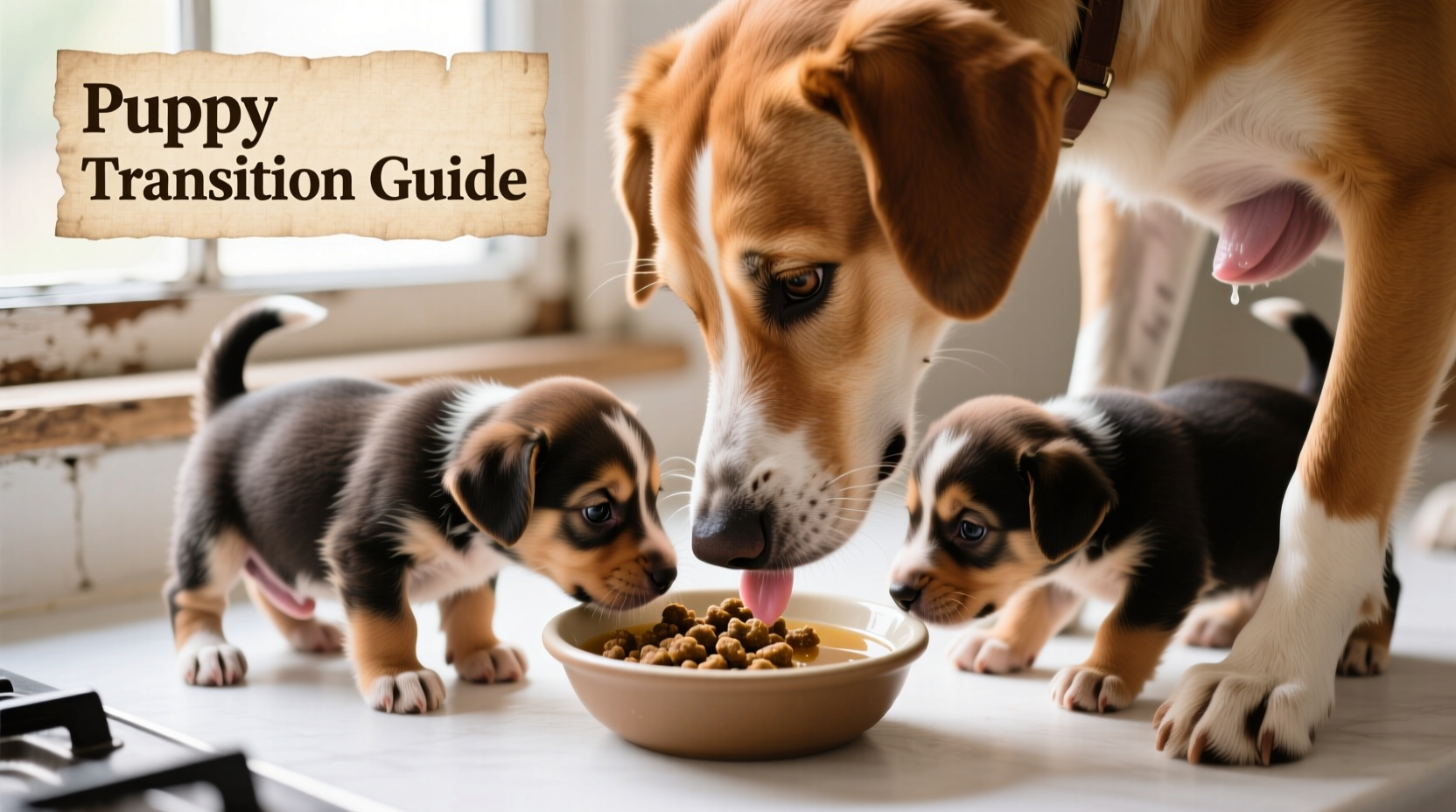
Puppies are born entirely dependent on their mother’s milk for nourishment. Colostrum, the first milk produced after birth, is rich in antibodies that help build the puppy’s immune system. For the first three to four weeks, milk remains the sole source of nutrition. However, around **3 to 4 weeks of age**, puppies begin showing signs that they’re ready to explore solid food.
Key indicators include:
- Increased interest in their mother’s food
- Attempting to chew on non-food items
- Improved coordination for lapping and swallowing
- Teeth beginning to emerge (usually around week 3)
Starting the weaning process too early—before 3 weeks—can disrupt digestion and deprive puppies of essential nutrients found only in maternal milk. Conversely, delaying beyond 5 weeks may make the transition more difficult as the puppy becomes accustomed to nursing.
“Puppies should not be fully weaned before 6 to 7 weeks. A gradual transition allows their digestive systems to adapt while still benefiting from maternal antibodies.” — Dr. Laura Bennett, Veterinary Nutritionist
Step-by-Step Timeline for Weaning Puppies
Weaning is not a single event but a progressive process that typically spans **3 to 4 weeks**. Below is a detailed weekly breakdown to guide caregivers through each phase.
Week 1: Introducing the Concept of Solid Food (3–4 Weeks Old)
- Prepare a gruel by mixing high-quality puppy kibble with warm water or puppy milk replacer until it reaches a soupy consistency.
- Place a shallow dish in a quiet, accessible area. Avoid deep bowls that could overwhelm small paws.
- Let puppies investigate at their own pace. Some may sniff, paw, or walk away; others may eagerly lap.
- Feed the gruel 3–4 times daily, supplementing with nursing between meals.
- Clean the dish immediately after use to prevent bacterial growth.
Week 2: Increasing Exposure and Texture (4–5 Weeks Old)
- Gradually reduce liquid content in the gruel so it becomes thicker, resembling oatmeal.
- Continue offering 3–4 meals per day, slowly decreasing nursing sessions as solid intake increases.
- Monitor stool consistency—soft stools indicate the digestive system is adjusting.
- Introduce kibble pieces separately to encourage chewing.
Week 3: Reducing Milk Dependency (5–6 Weeks Old)
- Offer mostly moistened kibble with minimal liquid. Aim for a texture that holds shape but is easy to chew.
- Nursing frequency naturally declines. If the mother begins avoiding the litter, this is a natural signal.
- Begin separating puppies from the mother for short periods during meals to promote independence.
- Ensure fresh water is always available in a low, stable bowl.
Week 4: Full Transition to Solid Food (6–7 Weeks Old)
- Provide softened kibble or dry kibble if the puppy chews well.
- By the end of week 7, puppies should be eating solid food exclusively, with no reliance on milk.
- Mother dogs often naturally dry up their milk supply during this time.
- Feed 3–4 measured meals per day using age-appropriate puppy food.
Throughout this timeline, patience is key. Each puppy develops at its own pace. Smaller breeds may wean earlier; larger breeds might take longer due to slower dental development.
Choosing the Right Food and Texture
Not all puppy foods are created equal. The ideal weaning diet must be highly digestible, nutrient-dense, and appropriate for the puppy’s breed size and health status.
Look for commercial puppy foods labeled as “complete and balanced” according to AAFCO (Association of American Feed Control Officials) standards. These formulas provide the right balance of protein, fat, calcium, and DHA for brain and bone development.
During the early stages, texture is just as important as nutrition. Start with a smooth slurry and progress to:
- Liquefied gruel – Fully blended with milk replacer or broth
- Thick mash – Oatmeal-like, with visible kibble fragments
- Moistened kibble – Kibble soaked for 10–15 minutes in warm liquid
- Dry kibble – Only introduced once chewing is consistent and stool is firm
| Stage | Liquid Used | Texture Goal | Feeding Frequency |
|---|---|---|---|
| Week 3–4 | Puppy milk replacer or warm water | Soupy, pourable | 3–4 times/day |
| Week 4–5 | Less liquid, thicker mix | Oatmeal-like | 3–4 times/day |
| Week 5–6 | Minimal soaking | Soft clumps, chewable | 3 times/day |
| Week 6–7 | Dry or lightly moistened | Firm kibble | 3 times/day |
Avoid cow’s milk—it lacks the proper nutrient profile and often causes diarrhea due to lactose intolerance. Always use a vet-approved puppy milk replacer if supplementation is needed.
Common Mistakes to Avoid
Even well-intentioned caregivers can make errors during weaning. Being aware of these pitfalls helps ensure a smoother, safer transition.
- Rushing the process: Skipping stages or forcing puppies to eat solids too soon can cause aspiration, bloating, or refusal to eat.
- Using inappropriate food: Adult dog food, human baby food, or homemade diets often lack essential nutrients or contain harmful ingredients like garlic or onions.
- Overfeeding: Puppies have small stomachs. Large portions lead to indigestion and wasted food.
- Neglecting hygiene: Dirty bowls or spoiled gruel can introduce bacteria such as E. coli or Salmonella.
- Separating too early: Removing puppies from their mother before 8 weeks affects social development and immune support.
Real-Life Example: Successful Litter Weaning
Jamie, a foster volunteer at a local animal rescue, took in a litter of five 3-week-old mixed-breed puppies. The mother was undernourished and unable to produce enough milk. Jamie knew immediate action was needed to prevent stunted growth.
She began by mixing a premium large-breed puppy kibble with warm goat milk replacer, blending it into a thin slurry. She placed shallow ceramic dishes on a puppy-safe mat and let the pups explore during daylight hours. At first, only two showed interest. Jamie gently dabbed a bit of gruel on her finger and let them lick it—a technique recommended by the shelter’s vet.
By day five, all five were lapping independently. Over the next three weeks, she gradually thickened the mixture and reduced replacer volume. She monitored weight gain weekly and adjusted portions accordingly. By 7 weeks, all puppies were eating softened kibble and drinking water confidently. None experienced diarrhea or refusal to eat.
“The key,” Jamie said, “was staying patient and watching their cues. One pup was slower than the others, so I gave him extra time and a slightly softer mix. They all made it through healthy and strong.”
Essential Feeding Checklist
Use this checklist to stay organized and ensure no step is missed during the weaning process:
- ✅ Confirm puppies are 3–4 weeks old before starting
- ✅ Purchase high-quality puppy kibble suitable for their breed size
- ✅ Obtain puppy milk replacer (never use cow’s milk)
- ✅ Prepare shallow, non-tip feeding dishes
- ✅ Blend kibble with warm liquid to create initial gruel
- ✅ Offer food 3–4 times daily in a clean, quiet space
- ✅ Monitor stool consistency and appetite daily
- ✅ Gradually thicken texture over 3–4 weeks
- ✅ Provide fresh water alongside meals by week 5
- ✅ Complete transition to solid food by 7 weeks
- ✅ Schedule a vet check-up at 6–8 weeks to assess growth
Frequently Asked Questions
Can I start weaning a puppy earlier if the mother isn’t producing milk?
If a mother cannot nurse, consult a veterinarian immediately. You can begin supplemental feeding with puppy milk replacer at day one, but solid food introduction should still wait until 3–4 weeks. Premature exposure to solids can damage immature digestive tracts.
What if my puppy refuses to eat the gruel?
Some puppies are hesitant. Try warming the gruel slightly (not hot), hand-feeding a small amount, or mixing in a teaspoon of pureed meat baby food (without onion or garlic). Persistence and positive reinforcement work best. If refusal lasts more than 24 hours, seek veterinary advice.
How do I know if the transition is going well?
Signs of success include steady weight gain, bright eyes, playful behavior, and firm, brown stools. Occasional soft stool is normal during adjustment, but persistent diarrhea, vomiting, or lethargy requires immediate attention.
Final Thoughts and Next Steps
Transitioning puppies from milk to solid food is a foundational step in their development. It’s more than just changing what they eat—it’s about nurturing their independence, supporting rapid growth, and setting the stage for lifelong health. With careful planning, close observation, and the right resources, every caregiver can guide their puppies through this milestone with confidence.
Remember, every puppy is unique. Some will dive into their first bowl with enthusiasm; others need gentle encouragement. What matters most is consistency, cleanliness, and compassion. If you’re ever unsure, your veterinarian is your best ally in ensuring your puppy thrives.




 浙公网安备
33010002000092号
浙公网安备
33010002000092号 浙B2-20120091-4
Comments
No comments yet. Why don't you start the discussion?