
The average person generates over 4 pounds of waste per day, and a significant portion comes from the bathroom. From single-use plastic toothbrushes to disposable razors and shampoo bottles, conventional hygiene products contribute heavily to landfill accumulation and ocean pollution. Transitioning to a zero waste bathroom routine isn’t about perfection—it’s about making mindful, sustainable choices that reduce your environmental footprint over time.
A zero waste bathroom doesn’t require an overnight overhaul. It begins with awareness, followed by gradual replacements of disposable items with reusable, refillable, or package-free alternatives. This shift not only benefits the planet but often leads to healthier skin, hair, and body due to fewer synthetic chemicals. By rethinking what you use daily, you can create a more intentional, eco-conscious personal care space.
Why Go Zero Waste in the Bathroom?
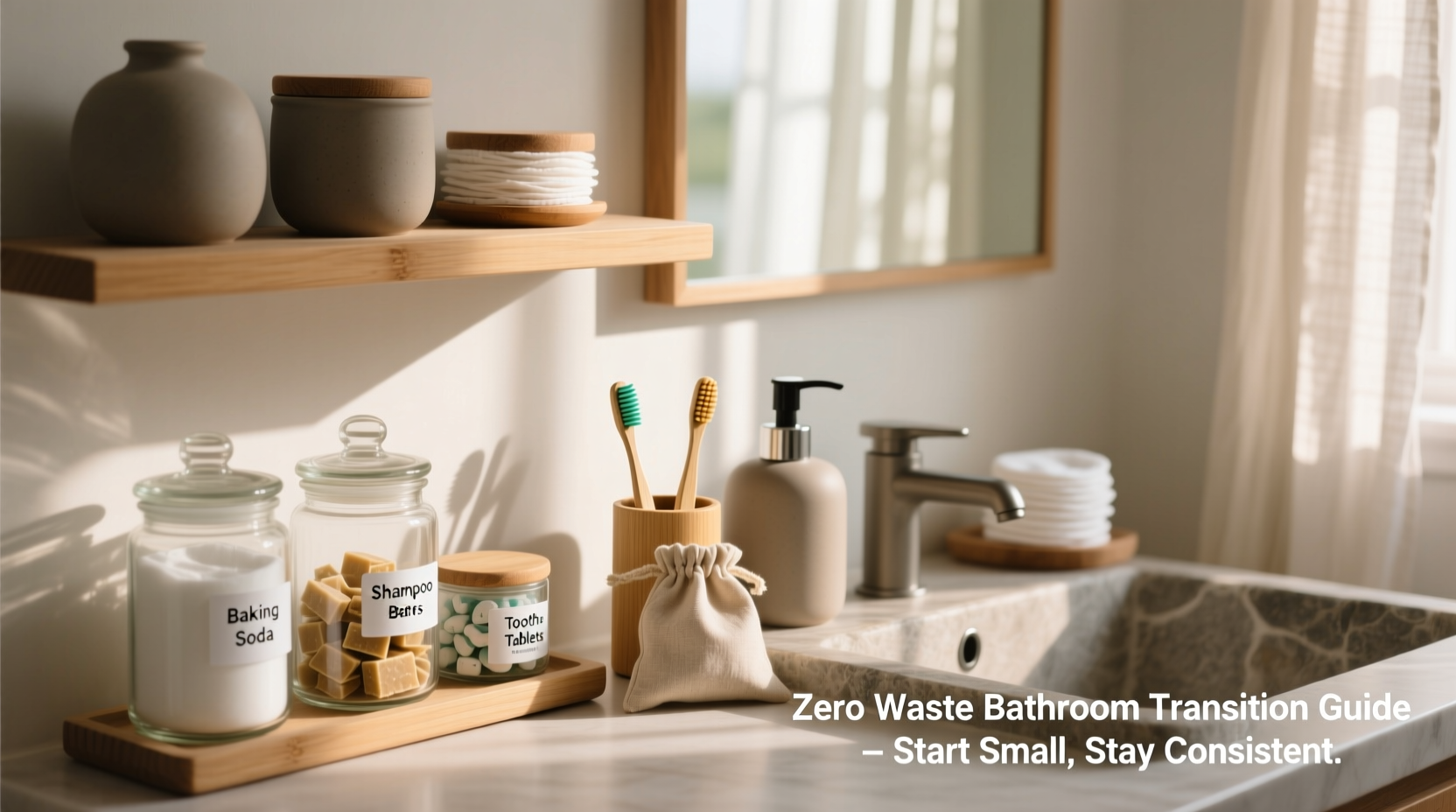
The bathroom is one of the most overlooked sources of household waste. Consider this: over one billion plastic toothbrushes are thrown away annually in the United States alone. Shampoo and conditioner bottles, floss containers, cotton swabs, and facial wipes add up quickly—most ending up in landfills or incinerators because they’re not recyclable.
Plastic packaging in personal care products often contains mixed materials (like pumps and liners) that make recycling difficult. Even when labeled as recyclable, many of these items aren’t processed due to contamination or lack of infrastructure. Beyond plastic, conventional products may contain microplastics, parabens, sulfates, and synthetic fragrances that harm aquatic ecosystems when washed down the drain.
Choosing zero waste alternatives reduces demand for virgin plastic, lowers carbon emissions from manufacturing and transportation, and minimizes exposure to harmful chemicals. As consumer habits shift, brands are responding with innovative, low-impact solutions—making it easier than ever to make sustainable swaps without sacrificing performance.
“Every small change in personal care adds up. Replacing just one plastic bottle with a bar alternative saves hundreds of grams of plastic over its lifetime.” — Dr. Lena Patel, Environmental Health Researcher
Step-by-Step Guide to Transitioning Your Bathroom
Transitioning to a zero waste bathroom should be gradual and stress-free. Rushing to replace everything at once defeats the purpose of sustainability—both financially and environmentally. Instead, follow this six-phase timeline to make lasting changes.
- Assess Current Products: Take inventory of all bathroom items. Note which are nearing expiration or empty. Identify high-waste offenders like liquid soaps, disposable razors, and packaged skincare.
- Use Up What You Have: Avoid throwing away half-used products. Continue using them until finished. This prevents waste and honors the resources already consumed in production.
- Research Sustainable Alternatives: Explore zero waste options for each category. Prioritize durability, ethical sourcing, and minimal packaging.
- Begin Swapping One Item at a Time: Replace products as they run out. Start with easy wins like soap bars or bamboo toothbrushes.
- Refine and Expand: Once basics are established, move to more specialized items such as deodorant, makeup, or dental floss.
- Maintain and Share: Keep systems in place—refill stations, DIY recipes, proper storage—and inspire others through conversation or social sharing.
Essential Zero Waste Swaps for the Bathroom
Every product has a sustainable counterpart. Below are the most impactful swaps, organized by category.
Toiletries
- Bar Soap & Shampoo Bars: Solid bars eliminate plastic bottles. Look for brands using compostable paper wraps or no packaging. Many last twice as long as liquid equivalents.
- Bamboo Toothbrushes: Biodegradable handles with BPA-free bristles. After use, remove bristles (with pliers) and compost the handle.
- Electric or Safety Razors: Replace disposable razors with durable metal versions. A safety razor lasts decades with proper care.
Skincare & Hygiene
- Reusable Cotton Rounds: Swap single-use cotton pads for washable organic cotton or bamboo rounds. Machine washable and soft on skin.
- Compostable Dental Floss: Made from silk or plant-based fibers, packaged in glass or metal containers with refillable spools.
- Package-Free Deodorant: Sold in cardboard tubes or metal tins. Often formulated with natural ingredients like baking soda, shea butter, and essential oils.
Menstrual & Grooming Products
- Menstrual Cups or Period Underwear: Reusable alternatives to tampons and pads. A single cup can last up to 10 years, drastically cutting waste.
- Shaving Soap Pucks: Use with a shaving brush instead of canned foam. Plastic-free and effective for a close shave.
- Wood Comb or Boar Bristle Brush: Durable, long-lasting tools that don’t shed microplastics like plastic brushes.
| Conventional Product | Zero Waste Alternative | Estimated Annual Waste Saved |
|---|---|---|
| Plastic toothbrush (4/year) | Bamboo toothbrush | ~500g plastic |
| Shampoo bottle (2/year) | Shampoo bar | ~700g plastic + cap/pump |
| Disposable razor (6/year) | Safety razor | ~300g metal/plastic |
| Cotton pads (1 pack/month) | Reusable cotton rounds | ~1kg packaging + cotton waste |
| Tampons with applicators (180/year) | Menstrual cup | ~2kg plastic + applicators |
DIY Solutions and Refill Systems
For maximum waste reduction, consider making your own products or using local refill stations. DIY options give full control over ingredients, avoiding allergens and synthetics while eliminating packaging entirely.
Simple recipes include:
- All-Purpose Cleaner: Mix vinegar, water, and lemon peel in a reusable spray bottle.
- Facial Toner: Diluted apple cider vinegar or rosewater in a glass bottle.
- Body Scrub: Combine coconut oil, sugar, and a few drops of essential oil in a mason jar.
Many cities now offer refilleries where you can bring your own containers to fill with shampoo, hand soap, or lotion. These stores source concentrated formulas in bulk, reducing transportation emissions and packaging waste. If none exist locally, some online retailers ship refills in compostable pouches to pour into existing dispensers.
Real-Life Example: Sarah’s Zero Waste Journey
Sarah, a teacher from Portland, began her zero waste transition after watching a documentary on ocean plastic. She started by replacing her liquid body wash with a bar from a local market. Encouraged by how long it lasted, she swapped her family’s toothbrushes for bamboo ones next.
Within six months, she introduced a menstrual cup, switched to a safety razor, and began buying toothpaste tablets in glass jars. She set up a small refill station at home using large bulk containers of castile soap. Any leftover plastic bottles were used until empty, then properly recycled.
“I didn’t want to feel guilty every time I brushed my teeth,” Sarah said. “Now, my bathroom feels simpler, cleaner, and aligned with my values. My kids even ask for ‘the cool round things’ instead of cotton balls.” Her annual plastic waste from the bathroom dropped by over 80%, and she saved nearly $200 per year on personal care products.
Common Challenges and How to Overcome Them
Not every swap works perfectly the first time. Here are frequent hurdles and practical solutions:
- Initial Cost: Some zero waste products have higher upfront prices. Counter this by prioritizing long-term savings. A $25 safety razor eliminates the need for $30+ in disposable blades annually.
- Lack of Local Access: If stores don’t carry package-free options, order online in bulk to reduce shipping frequency. Support emerging zero waste brands to encourage wider availability.
- Habit Change: Old routines die hard. Place reminders near the sink or shower. Involve family members by explaining the environmental impact together.
- Travel Concerns: Use silicone travel bottles or solid bars in tin containers. Many comply with TSA regulations and prevent leaks.
“It’s not about being perfect. It’s about making better choices consistently. One less plastic bottle today means one less in the ocean tomorrow.” — Maya Thompson, Founder of Zero Waste Living Collective
Frequently Asked Questions
Can zero waste bathroom products really perform as well as conventional ones?
Yes. Modern zero waste products are formulated for effectiveness. Shampoo bars, for example, often contain nourishing oils and butters that clean thoroughly without stripping hair. Many users report improved hair texture and reduced scalp irritation after switching.
What do I do with old plastic containers I can’t recycle?
If recycling isn’t an option, repurpose containers for storage, travel kits, or DIY projects. Some brands offer take-back programs—check with manufacturers like Lush or Method for mail-in recycling initiatives.
Are all 'eco-friendly' labels trustworthy?
Not always. Watch for greenwashing—marketing tactics that exaggerate environmental benefits. Look for third-party certifications like Leaping Bunny (cruelty-free), USDA Organic, or B Corp status. When in doubt, research the brand’s supply chain transparency.
Zero Waste Bathroom Checklist
Use this checklist to track your progress. Tick off items as you complete them.
- ✅ Audit current bathroom products
- ✅ Use up remaining disposables responsibly
- ✅ Switch to a shampoo and conditioner bar
- ✅ Replace plastic toothbrush with bamboo or recyclable electric model
- ✅ Adopt reusable cotton rounds or face cloths
- ✅ Install a refill system or buy in bulk
- ✅ Try a safety razor or electric shaver
- ✅ Choose compostable dental floss in refillable container
- ✅ Transition to menstrual cup or period underwear
- ✅ Make one DIY product (e.g., scrub, toner)
- ✅ Donate unused but unopened products to shelters
- ✅ Share your journey with friends or online community
Final Thoughts: Small Steps, Big Impact
Transforming your bathroom into a zero waste zone isn’t about achieving flawlessness. It’s about intentionality—choosing quality over convenience, longevity over disposability, and health over hidden toxins. Each sustainable swap sends a message to industries that consumers value responsibility.
The ripple effect of individual action is real. When one person makes a change, others notice. When communities adopt new norms, markets respond. By starting today—with one bar of soap, one reusable pad, one thoughtful purchase—you become part of a growing movement toward a cleaner, quieter, more conscious way of living.




 浙公网安备
33010002000092号
浙公网安备
33010002000092号 浙B2-20120091-4
Comments
No comments yet. Why don't you start the discussion?