
Gastroenteritis in dogs—characterized by vomiting, diarrhea, and abdominal discomfort—can be distressing for both pets and owners. While the acute phase requires medical attention and temporary dietary changes, the recovery phase is equally critical. One of the most common concerns pet parents face is how to reintroduce regular kibble without triggering a relapse. Doing it too quickly can undo progress; doing it too slowly may delay nutritional recovery. This guide outlines a safe, structured, and veterinarian-supported approach to transitioning your dog back to their normal diet after gastroenteritis.
Understanding Gastroenteritis and Its Impact on Digestion
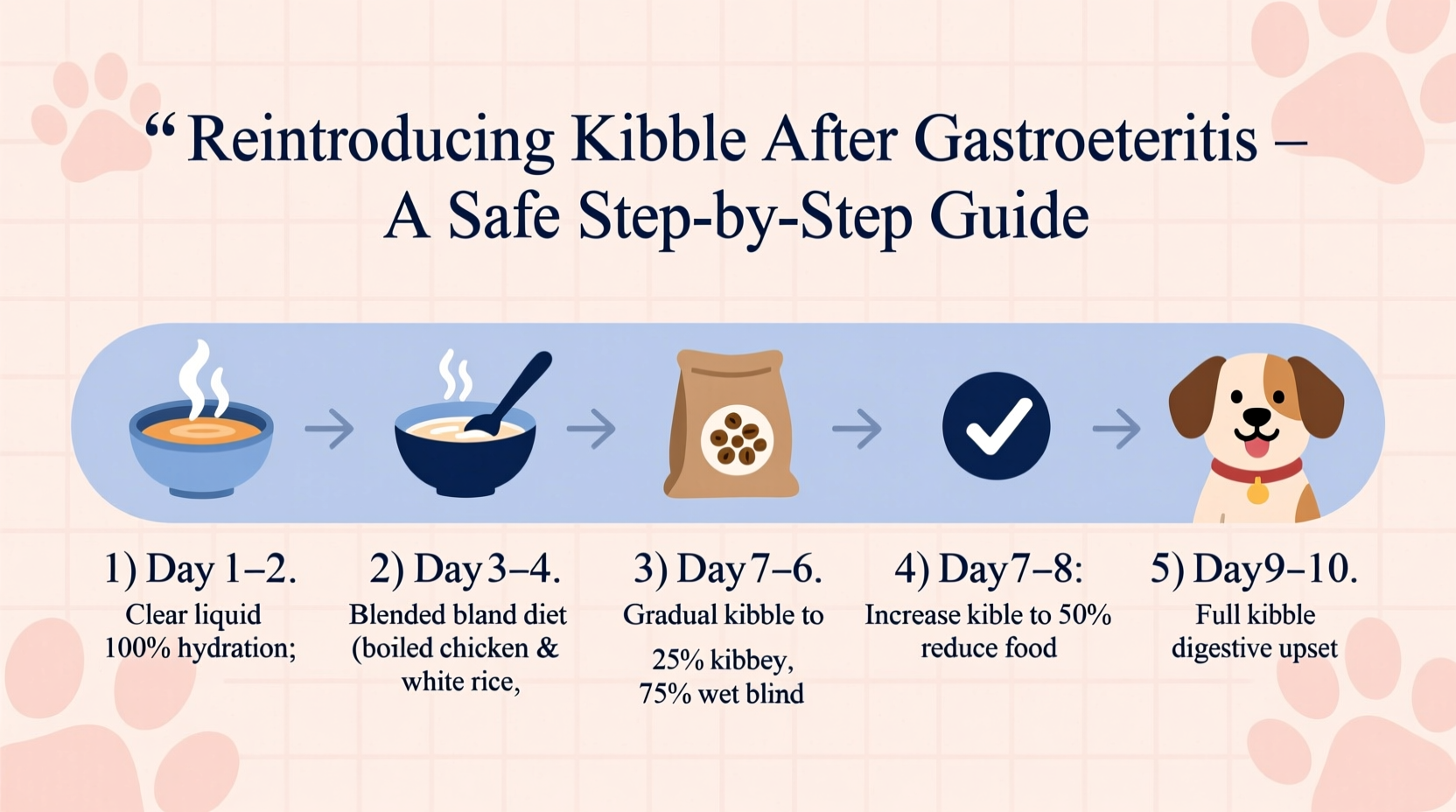
Dogs suffering from gastroenteritis experience inflammation of the stomach and intestines, which impairs their ability to digest food normally. During this time, veterinarians typically recommend withholding food for 12–24 hours (depending on severity) to allow the gut to rest, followed by a bland diet such as boiled chicken and rice or a prescription gastrointestinal formula.
The goal during recovery is not only to resolve symptoms but also to restore the balance of gut flora and rebuild the intestinal lining. Rushing back to regular kibble—especially one high in fat, fiber, or additives—can irritate the sensitive digestive tract and cause symptoms to return.
“After an episode of gastroenteritis, the gut needs time to heal. A gradual transition back to kibble supports mucosal repair and prevents setbacks.” — Dr. Lena Torres, DVM, Small Animal Internal Medicine Specialist
Step-by-Step Transition Timeline
Transitioning back to kibble should take between 5 to 7 days, depending on your dog’s response. The process involves gradually increasing the proportion of kibble while decreasing the bland diet. Below is a daily breakdown:
- Day 1–2: Reintroduce Food with Bland Diet Only
Feed small portions (e.g., 1/4 cup every 3–4 hours) of a bland diet such as boiled lean chicken (skinless) and white rice in a 1:2 ratio. Ensure your dog keeps food down for at least 24 hours before advancing. - Day 3: Introduce 25% Kibble
Mix 25% of your dog’s regular kibble (soaked in warm water to soften) with 75% bland diet. Offer 3–4 small meals. Monitor for vomiting, loose stools, or lethargy. - Day 4: Increase to 50% Kibble
Adjust the mix to half kibble (softened), half bland food. Continue frequent small meals. If stools remain firm and appetite stable, proceed. - Day 5: Use 75% Kibble
Now feed mostly kibble with only 25% bland components. By this point, your dog should show consistent energy and solid stools. - Day 6–7: Full Kibble Diet
Return to 100% regular kibble, still served in smaller, more frequent portions if needed. Gradually resume normal feeding schedule over the next 2–3 days.
Do’s and Don’ts During the Transition
To avoid setbacks, follow these guidelines when reintroducing kibble:
| Do’s | Don’ts |
|---|---|
| Soak kibble in warm water to soften it | Feed dry kibble straight from the bag |
| Stick to your dog’s usual kibble brand unless advised otherwise | Switch brands or formulas mid-transition |
| Offer fresh water in small amounts frequently | Allow unlimited water access immediately post-fasting (risk of overdrinking) |
| Monitor stool consistency and energy levels daily | Introduce treats, table scraps, or chews during transition |
| Contact your vet if symptoms return | Ignore signs like continued diarrhea or refusal to eat |
When to Consider a Prescription Diet
In some cases, especially if your dog has recurrent gastrointestinal issues or severe inflammation, your veterinarian may recommend a prescription gastrointestinal diet instead of regular kibble. These diets are formulated with highly digestible proteins, controlled fat levels, and prebiotics to support gut healing.
If your vet prescribes a specialized food, the same gradual transition principles apply—just replace the “regular kibble” in the timeline above with the prescribed formula. You may later transition from the prescription food back to maintenance kibble using the same 5–7 day method.
Real-Life Example: Max’s Recovery Journey
Max, a 4-year-old Labrador Retriever, developed acute gastroenteritis after eating spoiled food from the trash. He vomited twice and had bloody diarrhea overnight. His owner brought him to the vet, who recommended a 24-hour fast followed by a bland diet.
For two days, Max ate small portions of boiled turkey and rice every four hours. By day three, his stools were forming, and he showed interest in food. His owner began mixing in 25% of his usual lamb-and-rice kibble (soaked). Over the next five days, they slowly increased the kibble ratio. On day seven, Max was back on full kibble with no digestive issues. His owner credits the slow transition and close monitoring for preventing a relapse.
Essential Checklist for a Smooth Transition
Use this checklist to ensure you're covering all bases during your dog’s return to kibble:
- ✔️ Confirm with your vet that your dog is ready to start reintroducing food
- ✔️ Prepare enough bland diet ingredients (boiled chicken, rice, or vet-recommended formula)
- ✔️ Measure kibble portions precisely for accurate mixing ratios
- ✔️ Soak kibble in warm water for at least 10 minutes before serving
- ✔️ Feed 3–4 small meals per day during transition
- ✔️ Watch for vomiting, loose stools, bloating, or lack of appetite
- ✔️ Keep fresh water available, but offer in moderation post-fasting
- ✔️ Avoid treats, bones, and table scraps until fully transitioned
- ✔️ Resume normal feeding routine only after 2–3 days of stable digestion
Frequently Asked Questions
Can I skip the bland diet and go straight to kibble?
No. Skipping the bland diet increases the risk of re-irritating the gastrointestinal tract. The bland phase gives the gut time to heal and stabilizes digestion before introducing more complex ingredients found in kibble.
What if my dog refuses the mixed food?
If your dog won't eat the kibble-bland mix, double-check that the kibble is well-soaked and cooled. Try warming it slightly to enhance aroma. If refusal persists beyond 12 hours or is accompanied by lethargy, contact your veterinarian.
How long should I wait before giving treats again?
Wait at least 3–5 days after your dog has fully returned to kibble and maintained normal stools. Even then, introduce treats one at a time and choose simple, single-ingredient options like plain dehydrated meat.
Final Thoughts: Patience Leads to Lasting Recovery
Bringing your dog back to kibble after gastroenteritis isn’t just about restoring their regular diet—it’s about supporting long-term digestive health. A rushed transition might save a few days, but it risks prolonging discomfort or causing recurrence. By following a structured, observant, and vet-aligned plan, you give your dog the best chance to recover fully and thrive.




 浙公网安备
33010002000092号
浙公网安备
33010002000092号 浙B2-20120091-4
Comments
No comments yet. Why don't you start the discussion?