
As the sun softens and mornings carry a crisp edge, many reach for their credit cards, convinced that a seasonal wardrobe overhaul is necessary. But fashion sustainability and personal economy don’t require retail therapy every September. With thoughtful styling, creative layering, and a shift in mindset, you can seamlessly adapt your summer wardrobe for fall—without spending a dime.
The key lies not in discarding but in reimagining. Lightweight fabrics, bright colors, and open silhouettes from summer can be transformed through texture, proportion, and pairing. This approach reduces waste, saves money, and fosters a deeper relationship with your clothing. Let’s explore how to make the most of what you already own.
Reassess Your Summer Staples with a Fall Lens
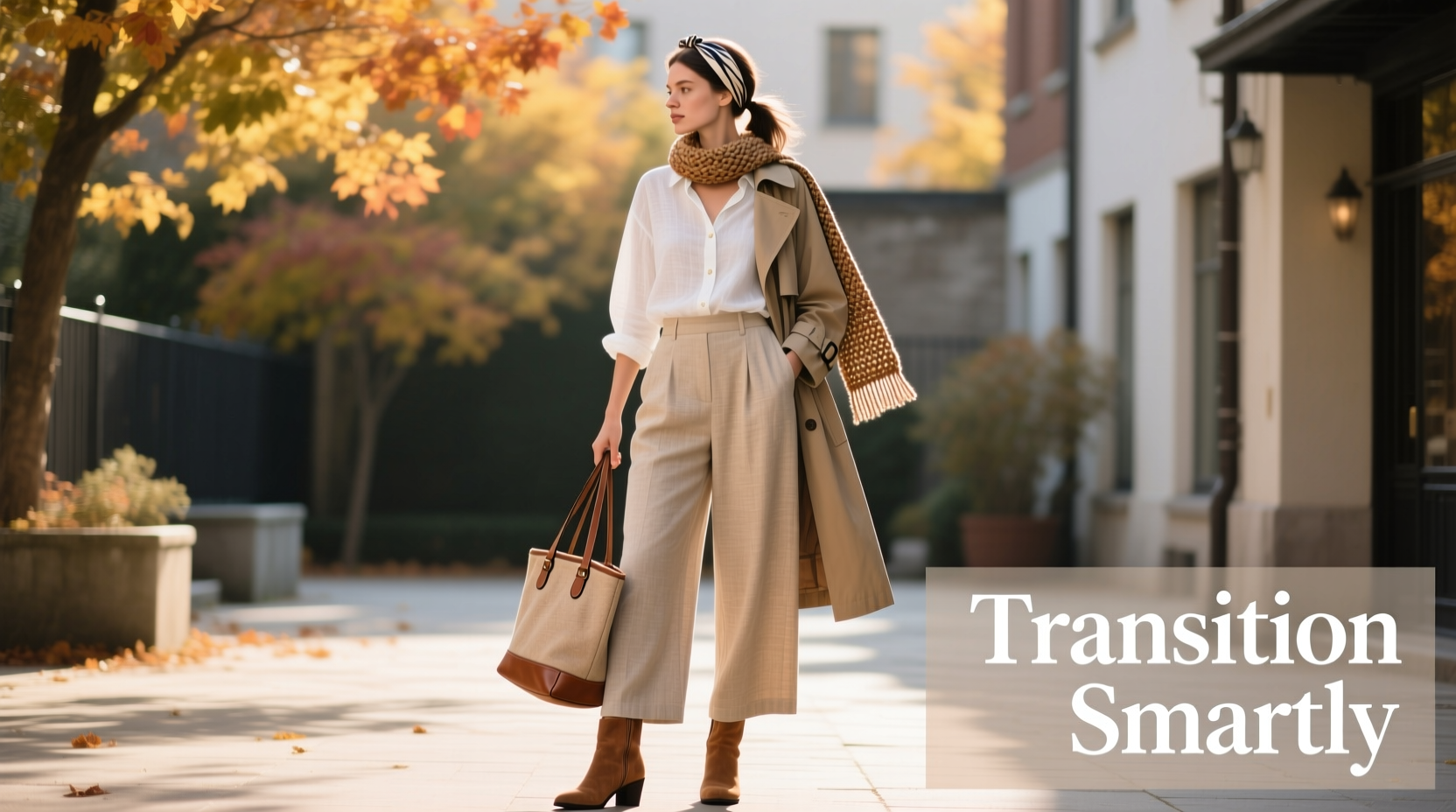
Start by pulling out your warm-weather favorites: cotton dresses, linen shirts, tank tops, cropped pants, and sundresses. Instead of storing them away, evaluate each piece for its transitional potential. Ask: Can this be layered? Does it pair well with heavier textures? Could changing the footwear or accessories shift its seasonality?
For instance, a sleeveless cotton dress may seem too light for October, but when worn over a long-sleeve thermal top and paired with tights and ankle boots, it becomes an autumn-appropriate outfit. Similarly, a breezy linen button-down gains new life when layered under a chunky knit cardigan.
Master the Art of Layering
Layering is the cornerstone of seasonal transition. It allows you to retain comfort while adapting to cooler temperatures. The trick is to build outfits from the inside out, starting with breathable base layers and adding warmth progressively.
Begin with summer items as foundations. A simple tank top can serve as an underlayer beneath a denim jacket, blazer, or oversized sweater. Lightweight tees become ideal under structured coats or vests. Even a sheer summer blouse gains functionality when worn over a camisole and under a wool coat.
Focus on varying textures to add depth. Pair a silk summer dress with a matte wool coat, or wear a cotton shirt under a cable-knit sweater. These contrasts in material elevate the visual interest of your outfit and signal a shift toward fall aesthetics.
“Transition dressing isn’t about replacing—it’s about recontextualizing. One piece, three seasons, endless combinations.” — Lena Patel, Sustainable Fashion Consultant
Step-by-Step Guide: Building a Transitional Outfit
- Start with a summer base: Choose a sleeveless dress, tank top, or short-sleeve shirt.
- Add a mid-layer: Introduce a long-sleeve tee, lightweight turtleneck, or button-down shirt.
- Incorporate outerwear: Add a denim jacket, trench coat, or tailored blazer.
- Adjust the bottom half: Swap sandals for ankle boots or loafers; trade shorts for wide-leg trousers or jeans.
- Finish with accessories: Include a scarf, belt, or hat to enhance warmth and style.
Leverage Accessories to Shift the Season
Accessories are the quiet powerhouses of seasonal transformation. A few strategic additions can redefine an entire look. As temperatures drop, focus on incorporating items that add warmth and visual weight.
- Footwear: Replace flip-flops and strappy sandals with closed-toe shoes. Ankle boots, oxfords, and loafers instantly ground a summer dress and align it with fall norms.
- Scarves: A lightweight cotton scarf in summer can evolve into a wool or cashmere wrap. Drape it loosely around the neck or tie it asymmetrically to break up lighter fabrics.
- Hosiery: Tights and knee-high socks extend the life of skirts and dresses. Opt for opaque black, charcoal gray, or earth tones to anchor brighter summer prints.
- Hats and belts: A wide-brimmed hat transitions from beach to city when styled with a trench. A leather belt cinched over a flowy dress adds structure and warmth.
Even jewelry plays a role. Heavier metals, larger hoops, or layered chains feel more autumnal than delicate summer pieces. Swap out thin gold chains for chunkier silver or oxidized finishes to subtly shift the mood.
Color Coordination: From Brights to Earth Tones
Summer wardrobes often lean toward pastels, neons, and tropical prints. While these may seem out of place in fall, they can be integrated with intention. The solution? Use neutral anchors to balance vibrant pieces.
Pair a coral sundress with a camel trench coat and chocolate brown boots. Wear a turquoise tank under a charcoal gray cardigan. Let bold colors become accents against a backdrop of beige, olive, rust, and navy—fall’s signature palette.
You can also use layering to mute brightness. A white eyelet dress appears softer when worn over a black long-sleeve top. A neon top tucked into high-waisted dark jeans feels more grounded and seasonally appropriate.
| Summer Item | Fall Adaptation | Key Additions |
|---|---|---|
| Sleeveless floral dress | Worn over turtleneck + tights + boots | Wool cardigan, belt |
| Linen shirt | Layered under sweater or vest | Leather pants, ankle boots |
| Cotton tank top | Base layer under blazer or jacket | Long-sleeve tee underneath, scarf |
| Shorts | Paired with opaque tights + long coat | Knee-high boots, beanie |
| Sheer blouse | Over camisole + under wool coat | Pendant necklace, structured bag |
Real Example: Maya’s August-to-October Wardrobe
Maya, a graphic designer in Portland, resisted the urge to shop last fall by reworking her summer capsule. Her closet included three cotton dresses, two linen shirts, a pair of high-waisted shorts, and several tanks. By early September, she began layering.
One of her favorite looks started with a yellow midi dress—lightweight and ruffled, perfect for July picnics. As evenings cooled, she wore it over a black mock neck and added sheer black tights. She swapped her espadrilles for suede ankle boots and topped the look with a belted trench coat. A wide-brimmed felt hat and crossbody bag completed the ensemble.
On casual days, she paired her linen shirt with dark wash jeans and a chunky oatmeal-colored sweater tied over her shoulders. The airy fabric contrasted beautifully with the wool, creating a textured, intentional look.
By October, only two summer items remained in rotation—but they were unrecognizable from their original form. Maya saved over $200 she would have spent on “fall essentials” and reduced decision fatigue by mastering a smaller, more versatile wardrobe.
Checklist: Transition Your Wardrobe Without Shopping
- Take inventory of all summer clothing still in good condition.
- Identify 5–7 core pieces with high transitional potential (dresses, shirts, tops).
- Gather existing fall-appropriate layers (turtlenecks, cardigans, jackets).
- Match summer items with cooler-weather accessories (boots, scarves, tights).
- Create 3–5 complete transitional outfits and photograph them for reference.
- Store off-season items properly: clean, fold, and use breathable garment bags.
- Revisit your capsule monthly to adjust for temperature changes.
Frequently Asked Questions
Can I really wear shorts in the fall?
Yes—with the right styling. Pair tailored shorts with thick tights or leggings, a long coat, and knee-high or ankle boots. Add a scarf and structured top to balance the exposure. Denim or corduroy shorts work especially well in early fall.
What if I don’t own any fall outerwear?
You don’t need a full coat to transition. Start with what you have: a denim jacket, trench, or even a heavy blanket-style scarf can provide warmth. Borrow or thrift one key outer layer instead of building an entire new wardrobe.
How do I deal with summer fabrics like cotton and linen getting wrinkled under layers?
Prevent creasing by layering strategically. Wear smooth synthetic or silk underlayers beneath rougher knits. Avoid tight fits that cause friction. If needed, lightly steam garments after wearing to restore drape.
Conclusion: Rethink, Don’t Replace
Transitioning your summer wardrobe into fall isn’t about chasing trends or filling gaps—it’s about creativity, resourcefulness, and respect for what you already own. Every garment has multiple lives if you’re willing to see beyond its original context.
By embracing layering, rethinking color dynamics, and using accessories as transformative tools, you extend the utility of your clothing and reduce environmental impact. You also cultivate a more intentional relationship with fashion—one where value is measured not in quantity, but in versatility.




 浙公网安备
33010002000092号
浙公网安备
33010002000092号 浙B2-20120091-4
Comments
No comments yet. Why don't you start the discussion?