
Traveling with a pet can deepen your bond and make vacations more enjoyable — but only if done safely. Whether you're planning a road trip across state lines or flying across the country, your pet’s comfort and safety must come first. Millions of pets travel each year, yet many owners overlook critical steps that could prevent stress, injury, or even life-threatening situations. Understanding airline regulations, preparing your pet mentally and physically, and choosing the right gear are all essential components of responsible pet travel.
This guide breaks down best practices for both car and air travel, offering actionable strategies, expert insights, and real-life scenarios to help ensure your pet arrives at their destination healthy, calm, and ready to explore.
Preparing Your Pet for Travel
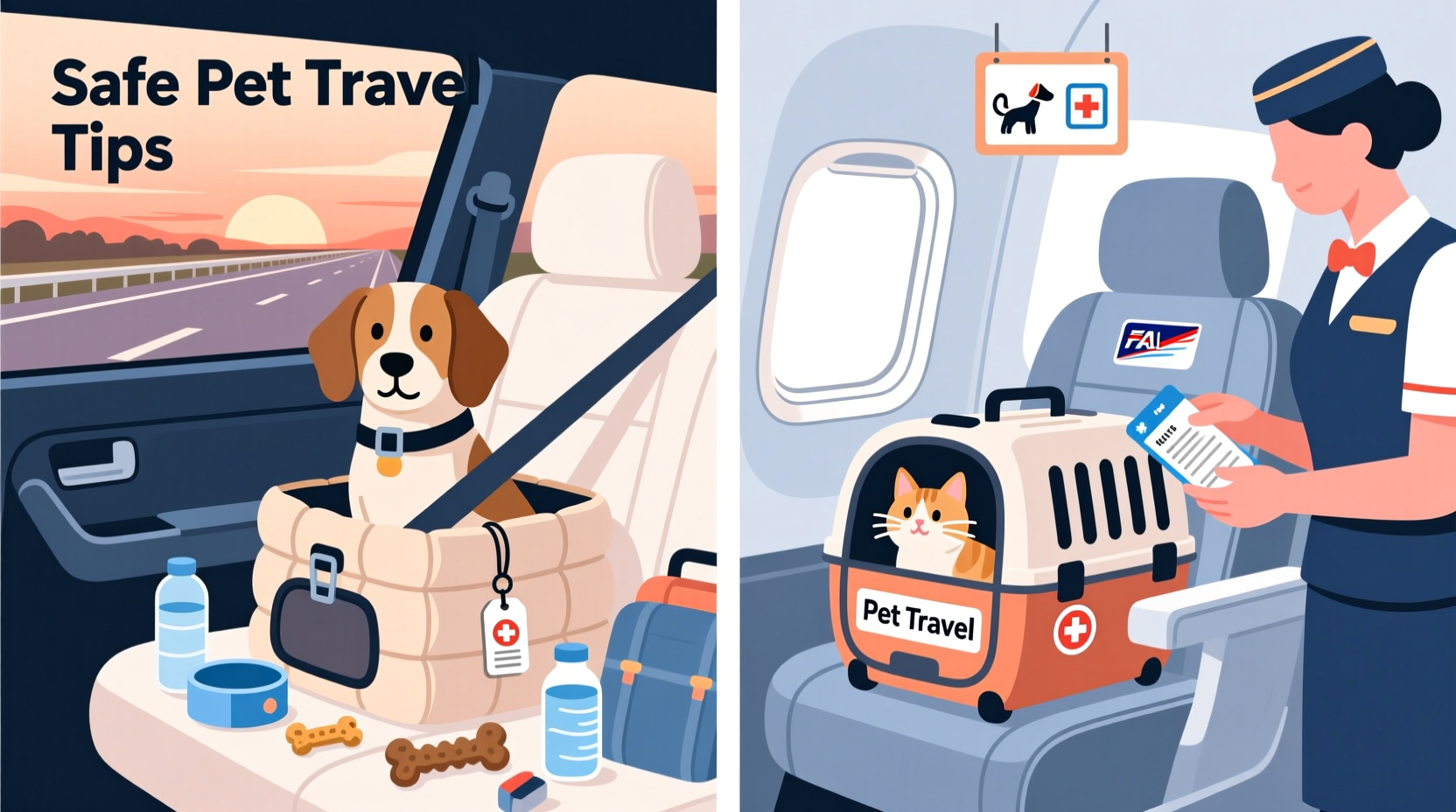
Long before departure day, preparation is key. Pets don’t naturally adapt well to sudden changes in environment or routine. Gradual acclimation reduces anxiety and helps them respond positively during transit.
Start by scheduling a veterinary check-up. Your vet will confirm your pet is healthy enough to travel, update vaccinations, and provide necessary documentation—especially important for air travel or crossing borders. Many airlines require a health certificate issued within 10 days of departure.
For pets prone to motion sickness or anxiety, your veterinarian may recommend short trial runs. Begin with brief car rides around the neighborhood, gradually increasing duration. For air travel, simulate the experience: place your pet in their carrier, take it into a busy area, and expose them to loud noises like vacuum cleaners or airport announcements played at low volume.
Vaccinations and Documentation
Different states and countries have varying requirements. The United States Department of Agriculture (USDA) mandates a valid rabies vaccination and health certificate for dogs crossing state lines. International destinations often require additional tests, microchipping, and waiting periods after certain vaccines.
Always carry digital and physical copies of medical records, microchip registration, and emergency contact numbers. Apps like PetDesk or MyPetsVet can store these securely and make them instantly accessible.
Safety Tips for Car Travel
Car travel is generally safer than flying, but risks remain if precautions aren’t taken. A loose pet in a moving vehicle is a hazard to both themselves and passengers. In a crash at just 35 mph, a 10-pound dog can exert over 300 pounds of force if unrestrained.
The safest method is securing your pet using one of three options: a seatbelt harness, a hard-sided carrier, or a vehicle barrier (for larger pets). Soft carriers should be placed on the floor behind the front passenger seat to avoid airbag deployment risks.
“Unrestrained pets are not only unsafe—they’re illegal in several states. Always use a crash-tested restraint system.” — Dr. Karen Shaw Becker, Integrative Veterinarian
Essential Packing List for Road Trips
- Collapsible food and water bowls
- Leash, harness, and ID tags
- Current medications
- Familiar blanket or toy
- Waste bags and cleaning supplies
- First aid kit for pets
- Extra leash and collar
Flying with Pets: What You Need to Know
Air travel presents unique challenges. Airlines categorize pet transport into two main types: in-cabin and cargo. Most small dogs and cats under 20 pounds (including carrier weight) can fly in-cabin, while larger animals or those traveling alone typically go in the cargo hold.
In-cabin travel is generally safer and less stressful, as your pet remains under your supervision. Cargo travel carries higher risks due to pressure, temperature fluctuations, and handling procedures. However, when regulated properly, it can still be safe.
Airline Policies at a Glance
| Airline | In-Cabin Allowed? | Cargo Option? | Fee (One Way) | Notes |
|---|---|---|---|---|
| Delta | Yes | Yes | $125 | Limited breed restrictions; requires Advance Notice |
| United | Yes | Yes | $125–$250 | Banned breeds include bulldogs, pugs, and others with flat faces |
| Alaska Airlines | Yes | Yes | $100–$125 | Pet-friendly policies; climate-controlled cargo handling |
| American Airlines | Yes | Yes | $125 | No brachycephalic breeds allowed in cargo |
| Southwest | Yes | No | $95 | Pets must fit under seat; no cargo service |
Booking early is crucial. Most airlines limit the number of pets per flight. Some, like Southwest, allow only one pet per passenger. Confirm size restrictions for carriers—typically under 17.5” x 12” x 7.5” for in-cabin travel.
Choosing the Right Carrier
For in-cabin travel, soft-sided carriers made of durable fabric are ideal—they’re lightweight and flexible enough to fit under seats. For cargo, use an IATA-compliant hard-sided crate labeled “Live Animals” with ventilation on three or four sides.
Label the crate with your contact information, your pet’s name, and feeding instructions. Attach a photo of your pet to help handlers identify them quickly.
Step-by-Step Guide: Preparing for Air Travel
Follow this timeline to ensure nothing is overlooked in the weeks leading up to your flight:
- 8 Weeks Before: Schedule a vet visit. Discuss your pet’s fitness to fly, update vaccinations, and request a health certificate.
- 6 Weeks Before: Research airline policies and book pet reservation. Purchase an approved carrier and begin crate training.
- 4 Weeks Before: Accustom your pet to the carrier. Feed meals inside it and take short trips with it in the car.
- 2 Weeks Before: Confirm travel documents. Print multiple copies of health certificates and microchip info.
- 48 Hours Before: Trim nails and groom your pet. Avoid giving flea treatments or new foods.
- Day of Travel: Offer a light meal 4–6 hours before departure. Attach ID tags, line the carrier with absorbent pads, and attach a “Do Not X-Ray” sticker to film or medical items.
Real-Life Scenario: Traveling with a Rescue Dog
Sophia, a Boston-based traveler, adopted Luna, a shy terrier mix from a rural shelter. When relocating to Denver, she faced the challenge of flying her anxious dog across the country. Instead of opting for cargo, she chose United Airlines’ in-cabin option.
She began crate training two months in advance, using treats and calming music. She wrapped the carrier in a blanket to create a den-like space and used Adaptil sprays to ease tension. During the flight, Luna remained quiet, curled up on Sophia’s lap under the seat.
“The preparation made all the difference,” Sophia said. “I was nervous, but seeing her sleep peacefully reminded me we’d done everything right.”
Luna’s successful journey underscores the importance of patience and proactive training—especially for rescue animals with uncertain pasts.
Common Mistakes to Avoid
Even experienced pet owners make errors that compromise safety. Awareness is the first step toward prevention.
- Skipping acclimation: Throwing a pet into a carrier last-minute leads to panic and resistance.
- Overfeeding before travel: A full stomach increases nausea and bathroom emergencies.
- Using improper restraints: Leashes tied to seatbelts or unsecured crates can cause injury.
- Assuming all airlines are equal: Policies vary widely. Some ban certain breeds outright.
- Ignoring weather conditions: Many airlines halt pet transport during extreme heat or cold due to cargo hold risks.
Frequently Asked Questions
Can my older or sick pet fly safely?
Older pets or those with respiratory, cardiac, or joint conditions may struggle with air travel. Consult your vet before booking. Some conditions, like brachycephaly (short-nosed breeds), increase risk significantly due to lower oxygen levels at altitude.
What happens if my pet barks or whines during the flight?
Most airlines expect some noise. Flight attendants are trained to handle minor disturbances. To minimize vocalization, ensure your pet is tired before boarding—take them for a long walk earlier in the day. Avoid opening the carrier mid-flight unless permitted.
Are emotional support animals still allowed on planes?
As of 2021, the U.S. Department of Transportation no longer recognizes emotional support animals as service animals for air travel. Only trained service animals are permitted in-cabin without fees. ESAs now fall under standard pet policies and require payment and documentation.
Final Checklist Before You Go
- Veterinary Clearance:
- Health certificate obtained, vaccinations current, microchip registered.
- Carrier Requirements:
- Size compliant with airline rules, properly labeled, equipped with food/water dishes if needed.
- Identification:
- Collar tags with phone number, microchip info updated, photo on file.
- Travel Documents:
- Printed and digital copies of health records, permits, and booking confirmation.
- Packing Essentials:
- Food, medication, waste bags, toys, leash, and absorbent pads.
- Acclimation Complete:
- Pet has practiced being in the carrier and riding in vehicles.
Conclusion
Traveling with a pet doesn’t have to be stressful. With thoughtful planning, the right equipment, and a focus on safety, both car and plane journeys can be smooth and even enjoyable for your furry companion. Remember: your pet relies entirely on you to navigate unfamiliar environments and unexpected challenges. By preparing thoroughly and respecting their physical and emotional limits, you ensure they arrive not just safely—but happily.




 浙公网安备
33010002000092号
浙公网安备
33010002000092号 浙B2-20120091-4
Comments
No comments yet. Why don't you start the discussion?