
Traveling with just a carry-on for two weeks may sound impossible, but it’s not only achievable—it can transform your entire travel experience. Without the stress of checking bags, waiting at baggage claim, or paying extra fees, you gain freedom, efficiency, and peace of mind. The secret? Strategic packing using packing cubes, a minimalist mindset, and proven organization hacks. This guide walks you through exactly how to pack light, stay organized, and maintain versatility across climates and occasions—using only what fits in a single carry-on.
Why Travel With Just a Carry-On?
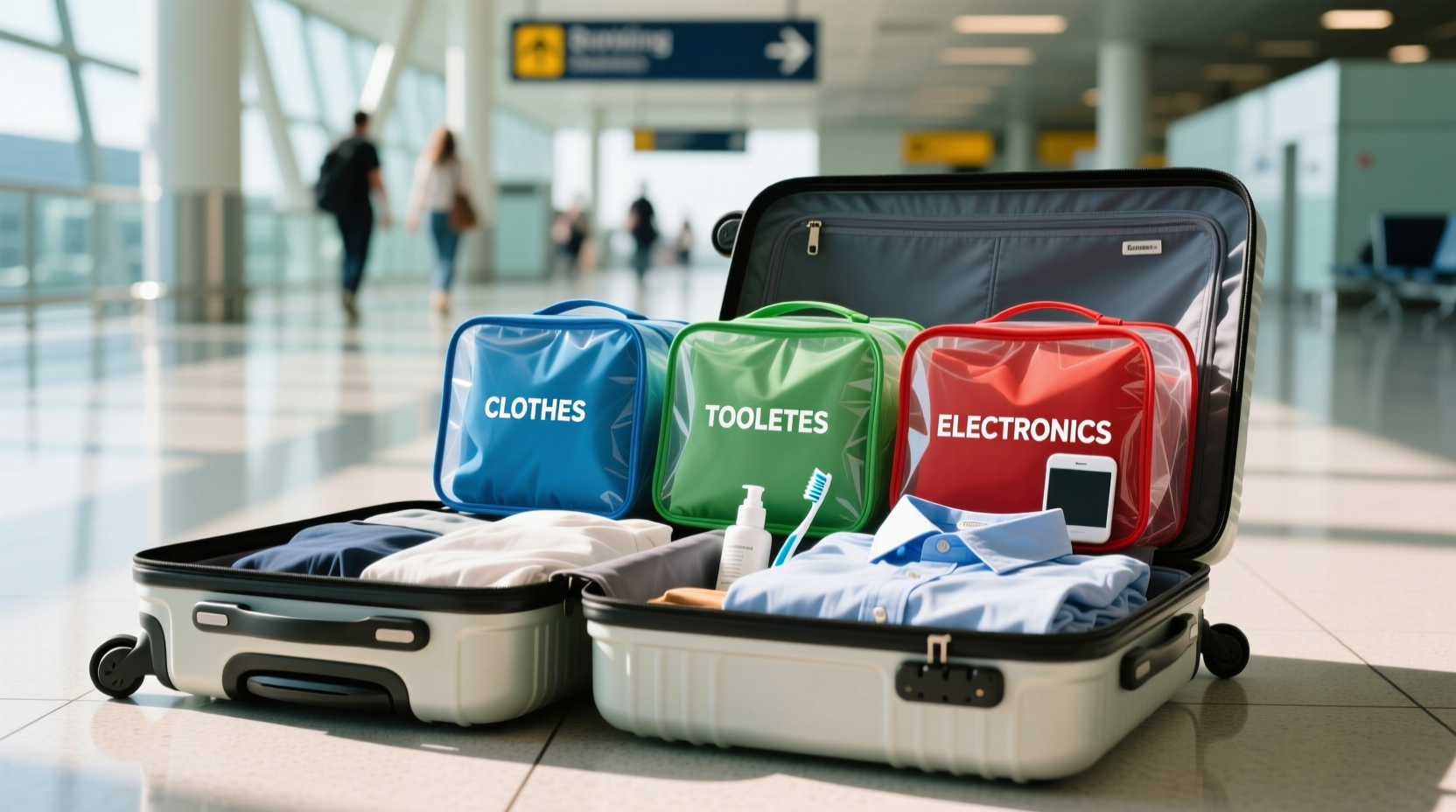
Carrying only a personal-sized bag offers tangible benefits beyond convenience. Airlines charge more for checked luggage, and delays or lost bags are common. By traveling light, you bypass these hassles entirely. You move faster through airports, hop on local transport without lugging heavy suitcases, and enjoy greater mobility when exploring cities or switching accommodations.
More importantly, limiting yourself to a carry-on forces intentionality. You pack only what you truly need, which reduces decision fatigue and clutter. As travel expert Rick Steves puts it:
“Packing light isn’t about sacrifice—it’s about liberation. When you carry less, you’re free to engage more deeply with your destination.” — Rick Steves, Travel Author & TV Host
The Role of Packing Cubes in Efficient Travel
Packing cubes are game-changers. These lightweight, zippered fabric organizers compress clothing, separate categories (like tops, bottoms, underwear), and keep your bag tidy. Unlike stuffing clothes loosely into a suitcase, cubes create structure and make items easy to locate without unpacking everything.
They come in various sizes and compression levels. Some feature double zippers that allow air to be squeezed out, reducing volume by up to 50%. Others have mesh panels for visibility or water-resistant coatings for toiletries.
How Packing Cubes Maximize Space
- Compression: Squeeze air out of cubes to shrink bulky items like sweaters or jeans.
- Organization: Prevents clothes from shifting during transit, maintaining order.
- Accessibility: Pull out one cube instead of dumping your whole bag to find socks.
- Dual Use: After arrival, cubes act as drawer substitutes in hotel rooms.
A Step-by-Step Guide to Packing a Two-Week Carry-On
Follow this 7-step process to build an efficient, adaptable carry-on setup that covers weather changes, multiple activities, and hygiene needs—all within airline size limits.
- Choose the Right Bag: Select a carry-on under 22” x 14” x 9” (standard limit). Look for internal compartments and durability. Wheeled backpacks offer versatility for uneven terrain.
- Select a Capsule Wardrobe: Pick 5–7 mix-and-match pieces in neutral colors (black, navy, beige, gray). Include 4 tops, 2 bottoms, 1 dress or shirt for evenings, and a lightweight jacket.
- Lay Out Everything First: Place all intended items on the bed. Then cut the total by half. Ask: “Will I *actually* wear this?”
- Assign Items to Cubes: Use three medium cubes—one for tops, one for bottoms, one for underwear/socks. Add a small waterproof cube for electronics cords or medications.
- Roll or Fold Strategically: Roll soft fabrics (t-shirts, knits) to save space and reduce wrinkles. Fold stiffer items (button-downs, blazers) if needed.
- Fill Remaining Gaps: Use leftover spaces for shoes (stuffed with socks), toiletry kit, charger, and a foldable daypack.
- Weigh Before You Go: Most airlines allow ~7–10 kg (15–22 lbs). Weigh your packed bag to avoid surprises.
Sample Two-Week Carry-On Layout (Using 4 Packing Cubes)
| Cube | Contents | Notes |
|---|---|---|
| Large Cube – Tops | 4 T-shirts, 2 long-sleeve shirts, 1 sweater, 1 lightweight hoodie | All neutral tones; layerable |
| Medium Cube – Bottoms | 1 pair jeans, 1 chino pants, 1 shorts, 1 skirt (if applicable) | Wrinkle-resistant fabric preferred |
| Small Cube – Underwear & Socks | 7 pairs underwear, 5 pairs socks, sleepwear, swimwear | Roll each set together |
| Toiletry Pouch (Waterproof) | Mini toothpaste, shampoo bar, deodorant, razor, meds, contact lens case | Liquids in 3-oz containers; TSA-compliant |
This setup allows full outfit rotation while enabling laundry once mid-trip. A single hand-wash at a sink with travel soap takes 15 minutes and dries overnight.
Real-World Example: A European City Trip
Sophie, a freelance designer, recently traveled across Italy for 14 days—Rome, Florence, Venice—with only a 38L carry-on backpack and four packing cubes. She wore her denim jacket and hiking boots on the plane. Her capsule wardrobe included:
- White linen button-down (doubles as evening top)
- Olive green trousers (paired with tee or blouse)
- Black wrap dress (used twice, washed in sink)
- Striped t-shirt (versatile base layer)
- Light cardigan (for churches and cool evenings)
She used scent-free detergent sheets to wash delicates every 4–5 days. By rolling clothes tightly into cubes, she freed up space for souvenirs. “I never felt underdressed,” she said. “And skipping baggage claim saved me time in every city.”
Advanced Packing Cube Hacks You Haven’t Tried
Most travelers use packing cubes for basic organization—but few leverage their full potential. Try these advanced techniques:
1. The “Bundle Wrap” Method
Instead of folding, wrap garments around a central core (like toiletries or a bundle of socks). This minimizes wrinkles and keeps outfits grouped. Place the bundle inside a large cube for stability.
2. Shoe Storage Hack
Slip shoes toe-first into a cube, then stuff socks or rolled belts inside them. This maintains shape and uses dead space efficiently. For cleanliness, place shoes in a separate cube or reusable shoe bag.
3. Create a “Daily Kit” Cube
Dedicate a small cube to daily essentials: phone charger, lip balm, hand sanitizer, folded mask, earplugs, and a pen. Keep this easily accessible—no digging required.
4. Layer Cubes Like Drawers
Stack cubes vertically in your bag like dresser drawers. Heavier items (jeans, books) go at the bottom; lighter ones (underwear, pajamas) on top. This prevents crushing and simplifies unpacking.
5. Use Cubes as Laundry Separators
Designate one empty cube for dirty clothes. At trip’s end, you’ll know exactly what needs washing—and clean items stay uncontaminated.
“The best packing system is invisible. If you don’t have to think about your bag after landing, you’ve won.” — Sarah Li, Minimalist Travel Blogger
Packing Checklist: Two Weeks, One Carry-On
Use this checklist before departure. Print it or save it on your phone.
- ✅ 4–5 tops (mix of casual and semi-formal)
- ✅ 2–3 bottoms (includes one formal option)
- ✅ 1 lightweight jacket or coat
- ✅ 1 pair comfortable walking shoes
- ✅ 1 pair sandals or dress shoes (optional)
- ✅ 7 pairs underwear
- ✅ 5 pairs socks (adjust for climate)
- ✅ Sleepwear and swimwear
- ✅ Toiletry kit (TSA-compliant liquids)
- ✅ Travel towel (quick-dry microfiber)
- ✅ Universal power adapter + charging cables
- ✅ Packing cubes (3–4, varied sizes)
- ✅ Foldable daypack (for excursions)
- ✅ Medications and first-aid basics
- ✅ Passport, wallet, travel documents (in secure pouch)
Common Mistakes to Avoid
Even experienced travelers make errors when attempting minimalist packing. Watch out for these pitfalls:
| Mistake | Why It’s a Problem | Better Alternative |
|---|---|---|
| Overpacking “just in case” items | Wastes space and adds weight | Assume you can buy essentials locally |
| Using non-compression cubes | Leaves unused air space | Opt for zip-top compression cubes |
| Packing wrinkle-prone fabrics | Requires ironing or steaming | Choose wool blends, jersey, or travel-specific synthetics |
| Forgetting laundry strategy | Leads to wearing dirty clothes | Plan one hand-wash session mid-trip |
| Ignoring layering potential | Brings too many outer garments | Use vests, scarves, and lightweight layers instead |
Frequently Asked Questions
Can I really fit two weeks’ worth of clothes in a carry-on?
Yes—especially if you choose versatile, wrinkle-resistant clothing and do one quick laundry. Most people overestimate how much they need. Focus on quality over quantity, and you’ll likely wear fewer than half the items you pack.
Are packing cubes worth the investment?
Absolutely. High-quality cubes cost $20–$40 for a set but pay for themselves in reduced stress, better organization, and space savings. Look for YKK zippers, durable nylon, and compression features.
What if my destination has limited laundry options?
If hand-washing isn’t feasible, pack slightly more underwear and socks. Still, aim to reuse clean clothes. Modern performance fabrics resist odor and don’t require daily washing. You’d be surprised how often a shirt can be worn twice.
Final Thoughts: Embrace the Freedom of Light Travel
Traveling with only a carry-on for two weeks isn’t a compromise—it’s an upgrade. Once you master the rhythm of strategic packing, you’ll wonder why you ever checked a bag. Packing cubes are the linchpin of this system, transforming chaos into order and excess into efficiency.
Start small. Try a weekend trip with just a carry-on. Refine your process. Then scale up. Each journey will teach you what you truly need versus what you merely think you do. Over time, you’ll develop a personalized system that feels effortless.




 浙公网安备
33010002000092号
浙公网安备
33010002000092号 浙B2-20120091-4
Comments
No comments yet. Why don't you start the discussion?