
Winter fashion often means trading sleek silhouettes for cozy layers. But there’s a fine line between snug and shapeless—especially when it comes to bulky sweaters. Many people avoid tucking them in altogether, fearing a lumpy, unflattering result. The truth is, with the right techniques, you can wear your favorite chunky knit tucked in confidently and stylishly.
The key isn’t avoiding bulk—it’s managing it. Whether you’re dressing up for work, meeting friends for coffee, or heading out on a weekend adventure, a well-tucked bulky sweater can elevate your outfit while keeping you warm. This guide breaks down proven methods, fabric considerations, and smart styling choices that help you achieve a clean, intentional look—even with the thickest knits.
Why Bulky Sweaters Go Wrong When Tucked
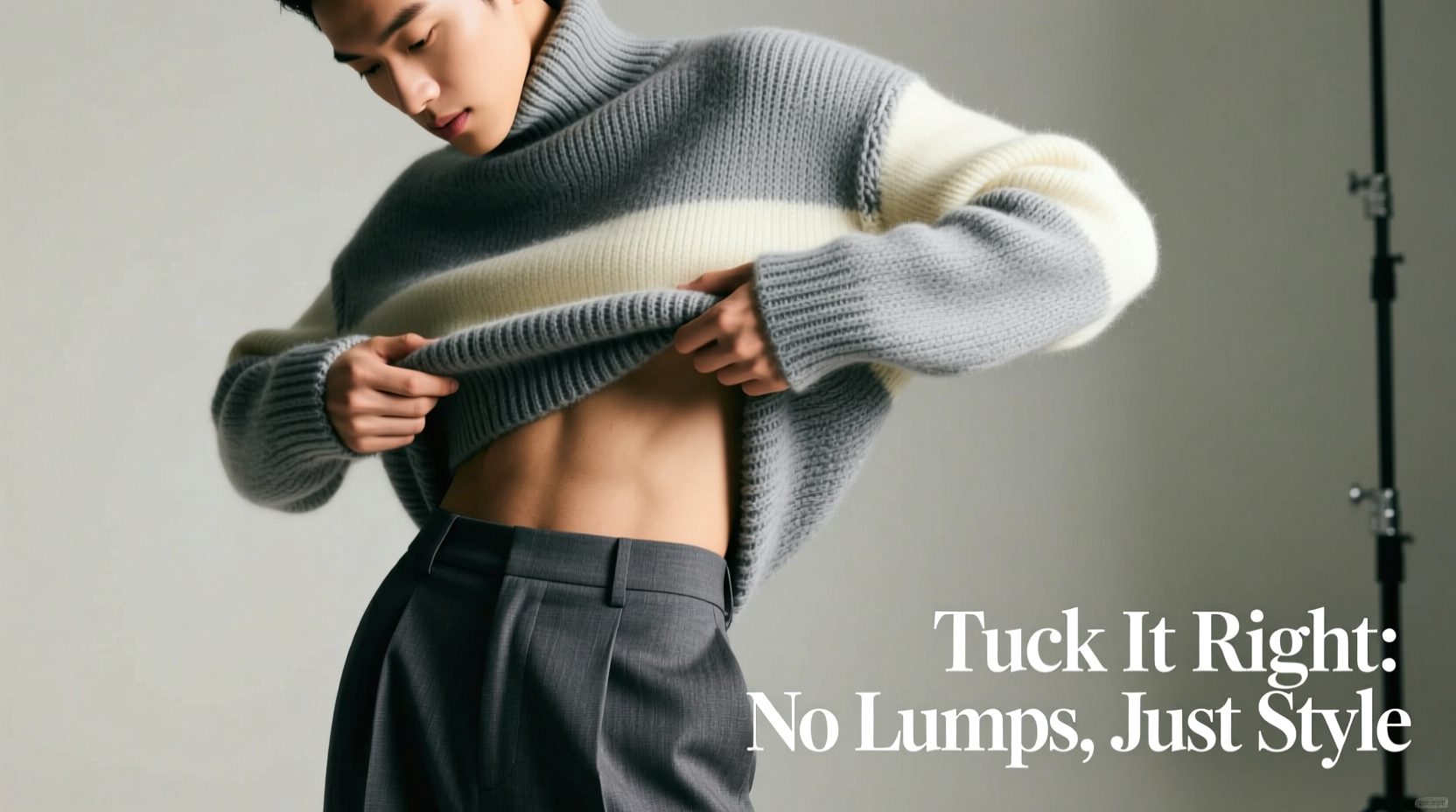
Bulky sweaters are designed for warmth and comfort, not precision tailoring. Their high volume, loose weaves, and thick yarns naturally resist being confined. When forced into a tight waistband or tucked haphazardly, they create excess fabric that bunches, wrinkles, and distorts the body’s natural lines.
Common issues include:
- Fabric pilling at pressure points – Especially around the hips where friction occurs.
- Horizontal bulges – Caused by too much material compressed into a small space.
- Asymmetry – One side of the tuck slips while the other stays put.
- Restricted movement – A poorly executed tuck can make bending or sitting uncomfortable.
These problems aren’t inevitable. They stem from misunderstanding the sweater’s structure and using outdated tucking methods meant for lightweight fabrics.
“Tucking a bulky sweater isn’t about forcing it into place—it’s about guiding the volume where it belongs.” — Lena Park, Fashion Stylist & Wardrobe Architect
Step-by-Step: How to Tuck a Bulky Sweater Without Lumps
Follow this five-step process to achieve a smooth, balanced tuck that holds all day.
- Choose the Right Bottom: Start with high-waisted pants or skirts that sit at or above your natural waist. Mid-rise styles compress the tuck and increase lumping risk. Look for structured fabrics like wool blends, corduroy, or denim with slight stretch.
- Loosen the Waistband Slightly: If possible, unbutton or unzip just enough to allow room for the sweater to nestle in without strain. You’ll re-button after the tuck is set.
- Perform a Partial Front Tuck: Grab only the center front panel of the sweater (about 6–8 inches wide). Gently push the fabric upward into the waistband, letting the sides remain untucked. This reduces overall volume while creating definition.
- Smooth and Adjust: Use flat palms to press outward from the center, distributing any excess fabric evenly toward the hips. Avoid pulling down, which causes wrinkling.
- Re-secure the Waistband: Fasten your pants or skirt gently over the tucked section. Don’t over-tighten—leave a finger’s width of breathing room to prevent bulging.
Alternative Tucking Methods for Different Sweater Types
Not all bulky sweaters are created equal. The weave, weight, and drape determine which tucking method works best.
| Sweater Type | Recommended Method | Why It Works |
|---|---|---|
| Cable Knit Wool | Partial Front Tuck | Dense texture holds shape; partial tuck prevents overwhelming volume. |
| Chunky Mohair Blend | French Tuck (one corner) | Lighter bulk allows asymmetry; adds playful polish without constriction. |
| Oversized Turtleneck | Half-Tuck + Belt | Use a wide belt over the sweater at the narrowest part of the waist to define shape. |
| Fringed or Slouchy Hem | No Tuck – Layer Over Long Tank | Let the hem flow freely; pair with a longline camisole underneath for coverage. |
For maximum control, consider using a slim camisole or tank top as a base layer. It creates a smooth foundation and prevents the sweater from riding up directly against your skin, reducing shifting throughout the day.
Smart Fabric and Fit Choices That Prevent Lumping
Styling begins long before you get dressed. The sweater you choose sets the stage for success—or struggle.
Look for these features when shopping:
- Structured shoulders – Help maintain posture and balance proportions.
- Moderate elasticity – Enough stretch to move with you, but not so much that it sags.
- Defined hemlines – Clean edges tuck more predictably than raw or frayed finishes.
- Blended fibers – Wool-acrylic mixes often hold shape better than 100% natural wool.
Avoid sweaters with excessive slouch in the torso unless you plan to leave them untucked. Even if labeled “cozy,” overly droopy knits rarely tuck well without looking messy.
Real Example: From Office Drab to Polished Professional
Sarah, a 34-year-old project manager in Chicago, dreaded winter workwear. Her go-to oversized oatmeal sweater looked great at home but turned boxy and sloppy when worn to hybrid office days. She avoided tucking it, which made her feel shapeless during video calls.
After learning the partial front tuck method, she paired the same sweater with high-waisted black trousers and added a thin leather belt over the sweater at her natural waist. The change was immediate: her silhouette appeared more balanced, and colleagues complimented her “put-together” look.
She now rotates three bulky sweaters using this technique, proving that comfort and professionalism aren’t mutually exclusive.
Accessories and Layering Hacks to Enhance the Look
Strategic layering can transform a bulky sweater from casual to elevated—without adding visual clutter.
Try these combinations:
- Longline vest over a tucked sweater: A sleeveless wool or puffer vest draws the eye vertically and frames the tuck neatly.
- Button-down shirt underneath: Leave the collar and cuffs visible for contrast. The crisp lines offset the softness of the knit.
- Wide leather belt over the sweater: Not under—it should sit at your narrowest point to cinch without compressing.
- High-neck base layer: Adds warmth and smooths the neckline transition when wearing open-front coats.
The goal is to create intentional volume—not eliminate it. Winter dressing thrives on texture and dimension; the trick is directing attention where you want it.
“You don’t need to sacrifice warmth for style. In fact, the most polished winter looks use bulk strategically to highlight posture and proportion.” — Marcus Tran, Menswear & Gender-Neutral Style Consultant
Checklist: Tuck-Ready Bulky Sweater Routine
Before you attempt any tuck, run through this quick checklist:
- ✅ Sweater is free of lint and pilling (use a fabric shaver if needed)
- ✅ Bottoms are high-waisted and slightly forgiving in fit
- ✅ Base layer is smooth (silk, microfiber, or fine merino)
- ✅ Waistband is clean and functional (no broken zippers or stretched buttons)
- ✅ You’ve done a mobility check (bend, sit, walk) after initial tuck
- ✅ Outer layer (coat, jacket) won’t crush the tuck when removed indoors
This routine takes less than two minutes but prevents most common tucking failures.
FAQ: Common Questions About Tucking Bulky Sweaters
Can I tuck a sweater into a pencil skirt?
Yes, but use a partial tuck and ensure the skirt has a back slit or stretch panel. Full tucks in rigid pencil skirts often cause unsightly bulges at the hips. A French tuck (tucking only one side) works better here.
What if my sweater keeps coming untucked?
First, check your fit. If the sweater is too large, it will slip regardless of effort. Second, try double-sided fashion tape (like Turtleshell Tape) along the inner front hem. Apply small dots to anchor the fabric inside the waistband—this is invisible and gentle on knits.
Is it okay to tuck a sweater into leggings?
Only if the leggings have a high, supportive waistband (8 inches or taller) and are made from thick, non-sheer fabric. Otherwise, the combination can appear sloppy. For a cleaner look, opt for wide-leg thermal pants or wool-blend jeggings with structure.
Final Thoughts: Embrace Volume with Intention
Tucking in a bulky sweater shouldn’t mean surrendering comfort for appearance. With thoughtful technique and a few smart adjustments, you can enjoy both. The goal isn’t a perfectly flat silhouette—it’s a purposeful one. A slight fold at the waist, a defined curve, or a hint of layered texture can say more about personal style than any fitted garment.
Winter dressing is not about minimizing yourself to fit a trend. It’s about mastering your wardrobe so your clothes serve you—warmth, confidence, and ease included. The next time you reach for that oversized cable knit, remember: you don’t have to choose between cozy and polished. You can have both.




 浙公网安备
33010002000092号
浙公网安备
33010002000092号 浙B2-20120091-4
Comments
No comments yet. Why don't you start the discussion?