
In many homes, the small decorative tree that once stood proudly during the holidays now gathers dust on a shelf or in storage. But what if it could serve a new purpose—one that brings comfort rather than clutter? With a little creativity and attention to safety, a miniature tabletop tree can be repurposed into a gentle, functional nightlight for toddlers. This transformation not only breathes new life into an old decoration but also creates a calming presence in a child’s bedroom. The soft glow of warm-colored lights through delicate branches mimics fireflies or stars, offering a sense of security without overstimulation.
The key lies in thoughtful modifications that prioritize both aesthetics and safety. Toddlers are naturally curious, so any DIY project involving electrical components must be handled with care. This guide walks through every step—from selecting the right tree to installing safe lighting and integrating it into a nightly routine—ensuring your transformed piece is as practical as it is enchanting.
Selecting the Right Tabletop Tree
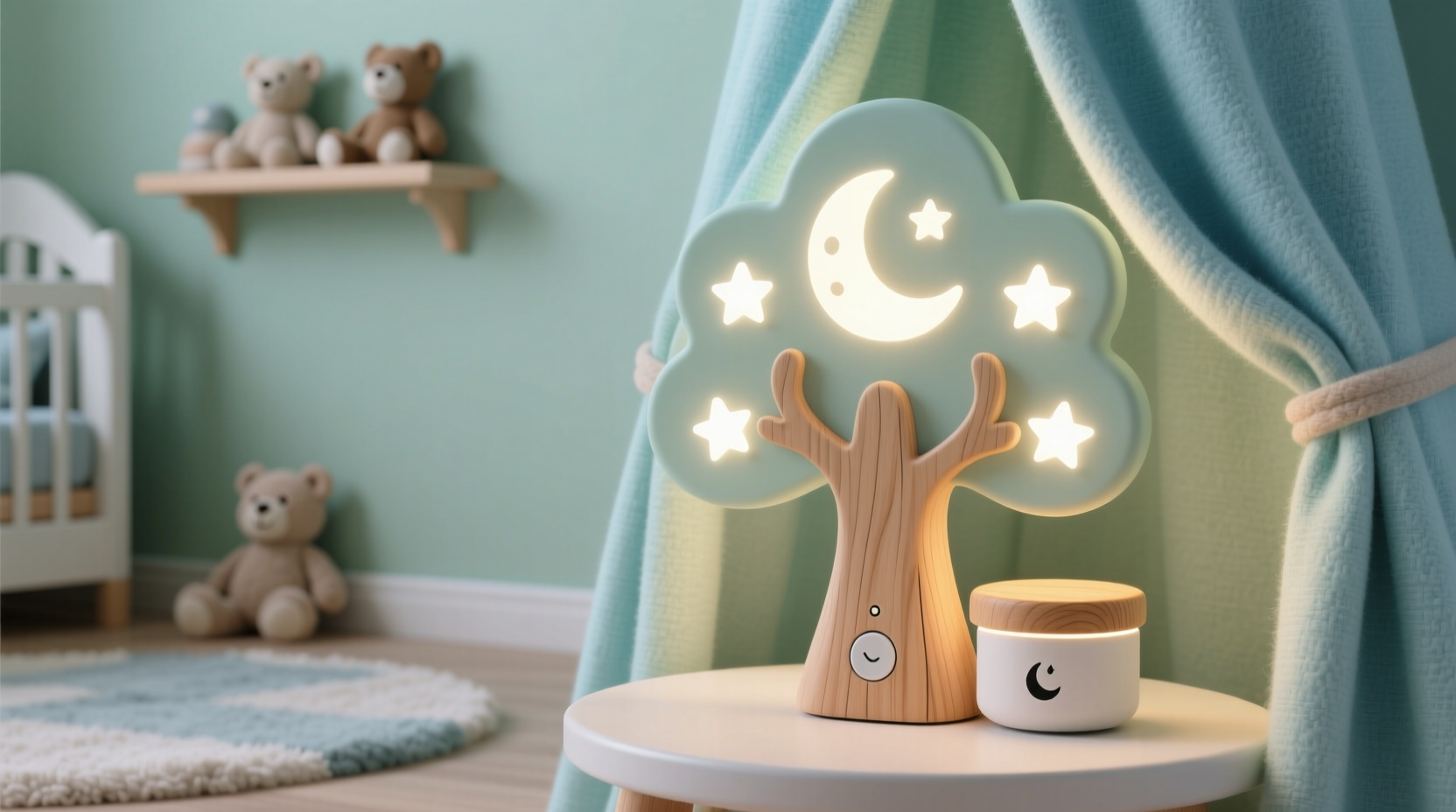
Not all miniature trees are suitable for conversion into a nightlight. The ideal candidate should be stable, compact, and constructed from non-flammable materials. Artificial trees made of PVC or flame-retardant plastic are preferable because they resist heat better than fabric or paper-based models. Avoid trees with sharp edges, loose parts, or unstable bases, especially when intended for use in a toddler’s room.
Height matters too. A tree between 12 and 18 inches tall works best—it’s visible enough to provide comforting light but not so large that it becomes a climbing temptation. Look for models with evenly spaced branches that allow light to filter through gently, creating a dappled effect across walls and ceilings. If you’re starting from scratch, consider purchasing a basic unlit model designed specifically for LED decoration use; these often come pre-wired with internal channels for cord management.
Choosing Safe and Soothing Lighting
Light quality is crucial when designing a nightlight for young children. Bright, blue-toned white light can suppress melatonin and disrupt sleep patterns. Instead, opt for warm white or amber LEDs with a color temperature below 3000K. These emit a soft, candle-like glow that supports relaxation and signals to the brain that it’s time to wind down.
Battery-operated fairy lights are often the safest choice, eliminating the need for nearby outlets and reducing tripping hazards. Choose sets labeled “low heat” or “cool touch,” which remain safe even after hours of continuous use. For longer-term setups, plug-in LED string lights with a UL-certified transformer are acceptable—but only if the cord is secured out of reach and routed behind furniture.
“Children exposed to warm, dim lighting before bed fall asleep faster and experience fewer nighttime awakenings.” — Dr. Lena Patel, Pediatric Sleep Specialist
Avoid incandescent bulbs entirely—they generate excess heat and pose burn risks. Also skip flashing or multicolored modes unless used briefly during bedtime routines; constant color changes can be overstimulating for sensitive toddlers.
Step-by-Step Transformation Guide
Turning your selected tree into a functional nightlight involves careful assembly and safety checks. Follow this sequence to ensure a secure, long-lasting result:
- Inspect the tree: Remove any broken branches, loose ornaments, or frayed wires. Discard damaged components immediately.
- Clean thoroughly: Wipe down plastic or PVC surfaces with a damp cloth and mild soap. Let dry completely before proceeding.
- Plan light placement: Begin at the base and weave lights upward in a spiral pattern. Space bulbs about 3–4 inches apart for even illumination.
- Secure wiring: Use twist ties or clear insulated clips to fasten cords along central trunks or stems. Never wrap tightly around thin branches.
- Test the setup: Plug in (or insert batteries) and observe for flickering, overheating, or instability. Run overnight under supervision before regular use.
- Add protective measures: Place the tree on a non-slip mat and position it away from bedding, curtains, or toys.
- Finalize location: Position the tree where its glow reaches the crib or bed without shining directly into the child’s eyes.
Once assembled, check the unit weekly for signs of wear, especially if battery-powered. Replace weak batteries promptly to prevent voltage fluctuations that may damage LEDs.
Safety Checklist Before Use
Before introducing the nightlight into your toddler’s sleeping environment, verify each of the following conditions:
- ✅ All electrical components are certified (UL, ETL, etc.)
- ✅ Lights produce minimal heat (test after 30 minutes of use)
- ✅ No exposed wires or frayed insulation
- ✅ Tree stands securely without tipping
- ✅ Cord (if present) is secured and inaccessible
- ✅ Bulbs are covered or recessed to prevent touching
- ✅ Used only under adult supervision initially
Do’s and Don’ts: Maintaining Your Toddler Nightlight
| Do’s | Don’ts |
|---|---|
| Use timers or smart plugs to automate on/off cycles | Leave the light on all night unless necessary |
| Place on a high surface like a dresser or shelf | Put within reach of crawling or standing toddlers |
| Clean monthly to remove dust buildup | Use water or cleaning sprays near electrical parts |
| Opt for remote power switches to reduce interaction | Allow unsupervised access to battery compartments |
Real-Life Example: The Miller Family’s Bedtime Upgrade
The Millers had a 15-inch artificial pine tree they’d used for holiday décor since their daughter Clara was born. After two seasons, it felt wasteful to store it unused. When Clara began resisting bedtime, her parents wondered if a calming visual cue might help. They removed the tinsel and fragile ornaments, then carefully threaded a strand of 20-count warm amber LEDs through the center trunk, securing each loop with mini zip ties.
They placed the tree atop a low dresser across from Clara’s crib, angled slightly upward so the glow reflected softly off the ceiling. Using a simple outlet timer, they set the lights to turn on 30 minutes before bedtime and shut off after one hour. Within a week, Clara started associating the gentle sparkle with winding down. Her mom noted, “It’s like she knows the tree means it’s almost story time. She points at it and says ‘shiny nap.’”
The family continues to monitor the setup closely, checking connections monthly and keeping the area around the dresser clear. Now entering its third year of use, the tree has become a cherished part of their nightly ritual.
Enhancing Functionality with Smart Features
To increase convenience and control, integrate smart technology thoughtfully. Battery-powered LED strings with Bluetooth remotes allow parents to adjust brightness or schedule on/off times via smartphone apps. Some models even offer gradual dimming features that simulate sunset lighting, easing transitions to sleep.
For plug-in versions, pair the light with a Wi-Fi enabled outlet. This allows voice activation through assistants like Alexa or Google Home—ideal for hands-free operation during late-night checks. Just ensure the smart device itself isn't placed in the child’s room to avoid unintended audio recording.
Consider coupling the nightlight with other sensory cues: play a short lullaby when turning it on, or pair it with a favorite stuffed animal positioned nearby. Over time, these consistent signals strengthen the psychological association between the glowing tree and restful sleep.
Frequently Asked Questions
Can I use rechargeable fairy lights?
Yes, provided they are specifically rated for continuous use and have built-in overcharge protection. Rechargeable options reduce waste and eliminate frequent battery replacements. However, ensure the charging port is inaccessible to children and charge the unit fully before first use.
Is it safe to leave the nightlight on all night?
While modern LEDs consume little energy and emit negligible heat, it's generally recommended to limit runtime to 1–2 hours post-bedtime. Prolonged exposure—even to dim light—can interfere with deep sleep cycles in some children. Use a timer to maintain consistency and conserve battery life.
What if my toddler tries to touch the tree?
Prevention is key. Position the tree well out of reach—on a wall-mounted shelf or sturdy high surface. If floor placement is unavoidable, surround it with a baby gate or play yard barrier during sleep hours. Teach boundaries gradually using positive reinforcement: “The tree is for looking, not touching.”
Conclusion: A Thoughtful Blend of Nostalgia and Practicality
Repurposing a small tabletop tree into a toddler nightlight merges sustainability with emotional resonance. What was once a seasonal accent becomes a nightly companion in a child’s journey toward independent sleep. More than just a source of light, it serves as a visual anchor—a familiar, softly glowing symbol of comfort and routine.
With careful planning, adherence to safety standards, and attention to developmental needs, this simple DIY project delivers lasting value. It proves that innovation doesn’t always require new purchases; sometimes, it begins with reimagining what’s already in your home.




 浙公网安备
33010002000092号
浙公网安备
33010002000092号 浙B2-20120091-4
Comments
No comments yet. Why don't you start the discussion?