
A clogged bathroom sink is more than an inconvenience—it disrupts your morning routine, slows down grooming tasks, and can lead to standing water that breeds bacteria. While chemical drain cleaners promise quick fixes, they often damage pipes, harm the environment, and pose health risks. The good news? You don’t need harsh chemicals to clear most clogs. With simple tools and household items already in your kitchen or cleaning cabinet, you can restore full drainage quickly and safely.
This guide walks through proven, non-toxic techniques that work on partial and complete blockages. From basic plunger use to gravity-based flushing with boiling water, each method prioritizes safety, accessibility, and effectiveness. Whether the clog is caused by hair, soap scum, or minor debris buildup, these solutions will get your sink flowing again—without fumes, corrosion, or guesswork.
Why Avoid Chemical Drain Cleaners?
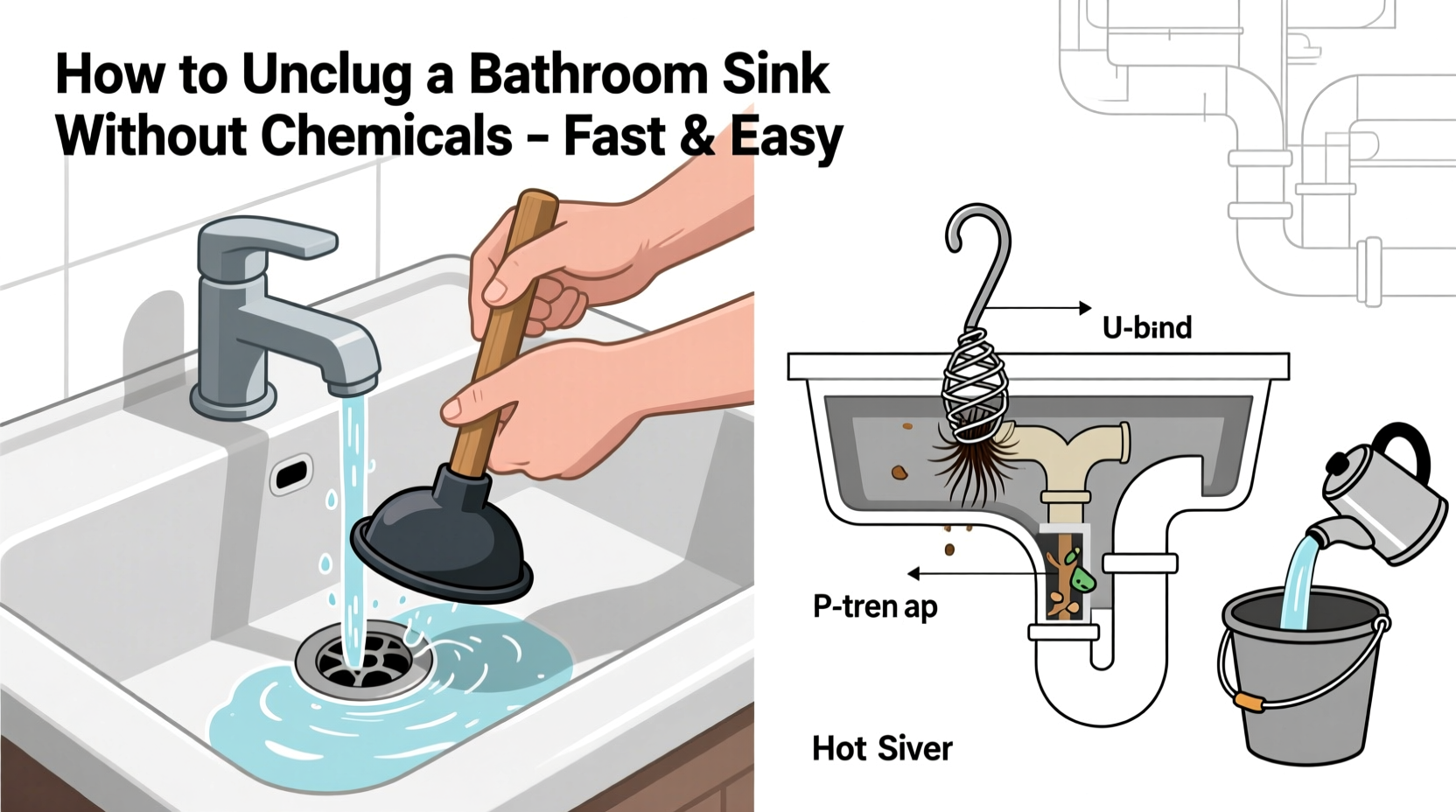
Many people reach for chemical drain openers at the first sign of slow drainage. However, these products come with serious drawbacks:
- Pipe Damage: Strong alkalis or acids in liquid cleaners can corrode metal pipes and degrade PVC over time.
- Environmental Impact: Toxic residues enter waterways, harming aquatic life and disrupting ecosystems.
- Health Hazards: Fumes can irritate lungs; splashes cause skin burns. Mixing different chemicals (e.g., bleach and ammonia) creates dangerous gases.
- Incomplete Results: Chemicals may break up some organic matter but leave behind solid obstructions like hair clumps or foreign objects.
“Chemical drain cleaners should be a last resort, not a go-to solution. Mechanical removal and natural pressure are safer and often more effective.” — James Landon, Master Plumber with 25+ years of residential experience
Instead of risking long-term damage, opt for mechanical and thermal methods that clear clogs physically and preserve your plumbing system.
Step-by-Step Guide: Unclogging Your Sink Without Chemicals
The following sequence outlines a logical progression from simplest to more involved methods. Start at Step 1 and move forward only if needed.
- Remove Standing Water: If water has pooled in the sink, bail it out with a cup or small container. This prevents splashing during plunging and allows better suction.
- Clean the Pop-Up Stopper: Most bathroom sink clogs occur around or beneath the pop-up stopper mechanism. Unscrew the pivot rod under the sink or lift the stopper manually (if removable). Use gloves to pull out visible hair and gunk.
- Flush with Boiling Water: Pour a full kettle of boiling water directly into the drain in two to three stages. This dissolves light soap buildup and flushes loose debris down the line.
- Use a Plunger: Seal the overflow hole with a wet rag, place a small cup-style plunger over the drain, and pump vigorously for 20–30 seconds. Repeat as needed.
- Clear with a Manual Auger: Insert a hand-cranked drain snake into the drain pipe. Rotate slowly while pushing forward until resistance is felt. Crank further to hook or break up the clog, then retract and clean the auger.
- Reassemble and Test: Reinstall all components and run hot water to check flow. If still slow, repeat steps or consider disassembling the P-trap.
Do’s and Don’ts When Clearing a Clogged Sink
| Do’s | Don’ts |
|---|---|
| Wear rubber gloves when handling stoppers or debris | Use chemical cleaners unless absolutely necessary |
| Use boiling water only on metal pipes (PVC can warp) | Pour boiling water down PVC drains |
| Seal the overflow hole when plunging | Force a plunger without creating a seal |
| Disassemble the P-trap over a bucket to catch water | Loosen connections without preparing for spills |
| Inspect and clean the pop-up stopper monthly | Ignore recurring clogs—they indicate deeper issues |
Real Example: A Stubborn Hair Clog Solved in 15 Minutes
Sarah, a busy nurse in Austin, noticed her bathroom sink wasn’t draining after her nightly skincare routine. Water sat for minutes before disappearing. She tried pouring vinegar and baking soda down the drain—a popular DIY remedy—but saw no improvement.
She followed the steps outlined above: first removing the standing water, then pulling out the pop-up stopper. Underneath, she found a tangled mass of hair wrapped around the pivot rod and lodged in the drain body. After rinsing the stopper and wiping the drain opening, she boiled water and poured it down in two batches. Still, flow remained sluggish.
Next, she used a small sink plunger, sealing the overflow with a damp cloth. After about 20 seconds of firm plunging, she heard a gurgle. Running fresh water confirmed full drainage. Total time: 14 minutes. No chemicals, no plumber visit, no pipe damage.
This case shows how most bathroom sink clogs originate near the surface and can be resolved with minimal tools and effort—once you know where to look.
Essential Tools You Likely Already Own
You don’t need specialty equipment to fix a clogged sink. Here’s what works best—and where to find it:
- Kettle or Pot: For boiling water flushes. Ideal for melting soap residue.
- Cup Plunger: Smaller than a toilet plunger, designed specifically for sinks and flat surfaces.
- Needle-Nose Pliers: Helpful for gripping stubborn hair or adjusting the stopper linkage.
- Bucket: Essential if you plan to remove the P-trap. Place it underneath to catch residual water.
- Manual Drain Snake ($10–$15): A flexible coil with a crank handle. Reaches deeper clogs beyond the trap.
- Rags or Towels: For cleanup, sealing the overflow, and drying parts during reassembly.
When to Remove the P-Trap for Deep Cleaning
If plunging and snaking don’t restore flow, the clog may be inside the P-trap—the U-shaped pipe under the sink that holds water to prevent sewer gases from rising. Removing it gives direct access to trapped debris.
To do this safely:
- Place a bucket beneath the P-trap to catch water.
- Loosen the slip nuts on both ends using channel-lock pliers or a wrench.
- Remove the trap and empty its contents into the bucket.
- Inspect the interior for sludge, hair, or hard buildup.
- Scrub clean with a bottle brush or old toothbrush.
- Reinstall the trap, tighten the nuts securely, and test for leaks.
Be cautious: older pipes may have corroded threads. If reassembly causes dripping, wrap new Teflon tape around the joint before tightening.
Prevent Future Clogs: Simple Daily Habits
Prevention is faster than repair. Adopt these habits to minimize future blockages:
- Use a Sink Strainer: A fine mesh screen catches hair and solids before they enter the drain.
- Rinse with Hot Water Weekly: Flush the drain with hot (not boiling) water once a week to dissolve accumulating soap film.
- Clean the Stopper Monthly: Remove and rinse the pop-up stopper regularly—even if the sink seems to drain well.
- Avoid Grease and Oils: Never pour facial oils, lotions, or makeup remover down the sink. These congeal and trap debris.
- Teach Household Members: Kids and guests may not realize that cotton swabs or wipes shouldn’t go down the drain.
“Over 70% of bathroom sink clogs I see could have been prevented with a simple strainer and regular stopper cleaning.” — Maria Tran, Licensed Plumbing Technician, Seattle
Frequently Asked Questions
Can I use baking soda and vinegar instead of chemicals?
Yes, but with caveats. Baking soda and vinegar create a fizzing reaction that can help loosen minor buildup. However, it lacks the force to remove hair or solid obstructions. It's safe and eco-friendly, but not a substitute for mechanical cleaning. Use it as a maintenance step, not a primary unclogging method.
Why won’t my sink drain even after plunging?
If plunging fails, the clog is likely past the P-trap or involves compacted material like hardened soap and hair. Try a manual auger next. If that doesn’t work, the blockage may be deeper in the line, possibly requiring professional hydro-jetting or camera inspection.
Is it safe to use boiling water on all sink types?
No. Boiling water is safe for metal (steel or cast iron) drain pipes but can soften or crack PVC and other plastic piping. If your plumbing is PVC (common in homes built after the 1980s), use very hot tap water instead—just below boiling.
Checklist: Fast & Chemical-Free Unclogging Routine
Follow this checklist the next time your sink backs up:
- ✅ Remove standing water with a cup
- ✅ Take out and clean the pop-up stopper
- ✅ Pour boiling water (if pipes are metal) or very hot water (if PVC)
- ✅ Plug the overflow hole with a wet rag
- ✅ Plunge firmly for 20–30 seconds
- ✅ Use a hand auger if plunging fails
- ✅ Remove and clean the P-trap if necessary
- ✅ Reassemble and test with running water
- ✅ Install a strainer to prevent recurrence
Conclusion: Take Control of Your Sink’s Health
Unclogging a bathroom sink doesn’t require toxic chemicals or expensive service calls. With basic tools and a few minutes of effort, most blockages can be cleared safely and effectively. The key is understanding where clogs form—usually right at the stopper or in the P-trap—and using physical methods like plunging, snaking, or disassembly to remove them.
By avoiding harsh drain cleaners, you protect your pipes, your health, and the environment. And with regular maintenance, you can prevent most clogs before they start. Start today: clean your stopper, keep a plunger handy, and commit to a chemical-free approach. Your sink—and your conscience—will thank you.




 浙公网安备
33010002000092号
浙公网安备
33010002000092号 浙B2-20120091-4
Comments
No comments yet. Why don't you start the discussion?