
Bathtub drains clog for many reasons—accumulated hair, soap scum, mineral deposits, or even foreign objects. While chemical drain cleaners like Drano are often the first solution people reach for, they don’t always work. Worse, repeated use can damage pipes, corrode seals, and harm the environment. When Drano fails, turning to natural, non-toxic alternatives isn’t just safer—it’s often more effective in the long run. This guide explores why Drano sometimes falls short and provides powerful, eco-friendly techniques that actually clear stubborn clogs.
Why Drano Might Not Work on Your Bathtub Drain
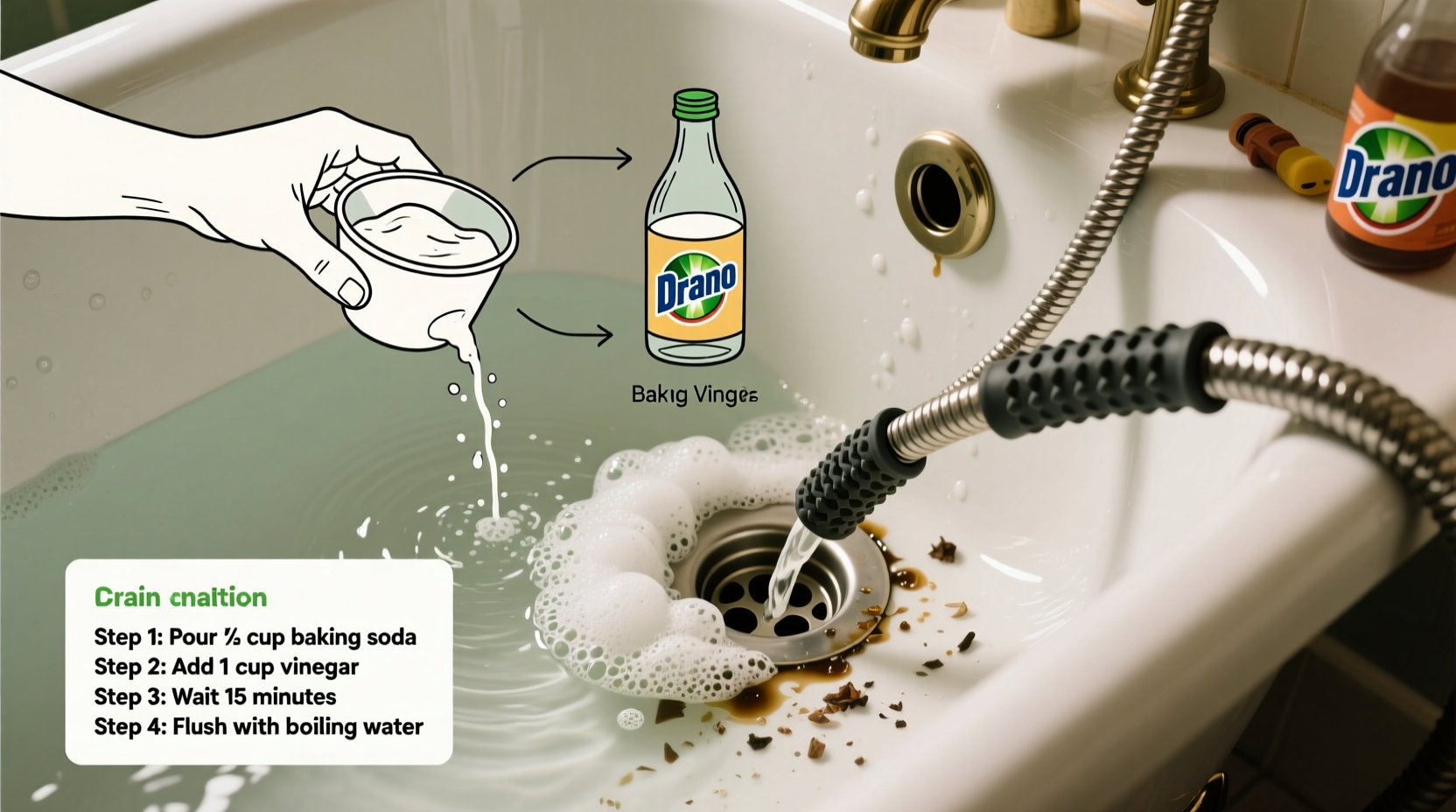
Drano and similar products rely on strong alkalis and oxidizers to dissolve organic matter. However, several factors limit their effectiveness:
- Hair-based clogs: Drano struggles with hair, which is resistant to chemical breakdown. Hair often forms a mesh that traps other debris but remains intact.
- Dense blockages: If the clog is deep or tightly packed, the liquid may not penetrate fully, rendering it ineffective.
- Older plumbing: In homes with cast iron or aging PVC pipes, chemical reactions can cause further deterioration instead of clearing the blockage.
- Partial flow: Even if water moves slowly after using Drano, residual gunk remains and will re-clog quickly.
“Chemical drain cleaners are overused and often misapplied. For persistent tub clogs, mechanical removal or enzymatic solutions yield better, longer-lasting results.” — Carlos Mendez, Master Plumber with 20+ years of residential experience
Natural Unclogging Methods That Actually Work
When chemical options fail, natural methods offer a smarter, sustainable approach. These techniques rely on physics, pressure, or biological action rather than corrosive substances. Below are the most reliable natural strategies, ranked by effectiveness and ease of use.
1. The Boiling Water & Baking Soda-Vinegar Combo
This method uses thermal shock and gas expansion to loosen minor to moderate clogs caused by soap and grease.
- Boil 4–6 cups of water in a kettle.
- Pour ½ cup of baking soda directly into the drain.
- Follow immediately with 1 cup of white vinegar.
- Cover the drain with a plug or cloth to contain the fizzing reaction (lasts about 5–10 minutes).
- Flush with boiling water to wash away loosened debris.
This process creates carbon dioxide gas, which agitates the clog. The hot water then melts greasy residues. Repeat once weekly for maintenance.
2. Manual Removal Using a Zip-It Tool or Wire Hanger
For hair-heavy clogs just below the surface, physical extraction is the most direct solution.
A Zip-It tool—a flexible plastic rod with barbed fins—can be inserted into the drain to hook and pull out hair. Alternatively, straighten a wire coat hanger, bend one end into a small hook, and use it carefully to avoid scratching metal fixtures.
- Remove the drain stopper or cover if possible.
- Insert the tool 6–12 inches into the pipe.
- Rotate and push gently until resistance is felt.
- Pull upward slowly to extract trapped material.
- Repeat until no more debris comes out.
This method is especially effective for pop-up drains common in bathtubs, where hair accumulates around the pivot rod.
3. Plunging With a Proper Seal
Many assume plungers only work on sinks or toilets, but a standard cup plunger can clear bathtub clogs—if used correctly.
The key is creating an airtight seal. Since bathtubs are wide and shallow, use a wet rag to block the overflow opening (the small hole near the top of the tub). Then fill the tub with 2–3 inches of warm water to cover the plunger cup.
- Place the plunger over the drain, ensuring full coverage.
- Push down gently to expel air, then apply firm, rapid up-and-down strokes for 20–30 seconds.
- Lift suddenly to break suction and check for movement.
- Repeat 3–4 times, flushing with hot water between attempts.
If water begins to drain faster, continue plunging until flow is restored. Success depends on consistent pressure and a tight seal.
4. Enzyme-Based Drain Cleaners (Natural Chemical Alternative)
Unlike caustic chemicals, enzyme cleaners use bacteria cultures to digest organic waste over time. They’re ideal for recurring clogs and preventive care.
Products like Green Gobbler or Biokleen contain protease and lipase enzymes that break down proteins (hair) and fats (soap scum). Use them at night:
- Pour the recommended dose into the dry drain.
- Add warm water as instructed.
- Let sit overnight—no flushing during treatment.
- Rinse with hot water in the morning.
Results may take 24–48 hours, but repeated weekly use prevents future buildup without harming pipes.
Step-by-Step Natural Unclogging Routine (When Drano Failed)
Follow this logical sequence to maximize success without damaging your plumbing:
| Step | Action | Purpose |
|---|---|---|
| 1 | Remove visible debris from drain cover | Clear surface-level obstructions |
| 2 | Try boiling water flush | Melt grease and soften residue |
| 3 | Apply baking soda + vinegar | Create agitation and lift buildup |
| 4 | Plunge with overflow sealed | Dislodge compacted material |
| 5 | Use a Zip-It or hand snake | Extract hair and tangled gunk |
| 6 | Flush with hot water | Test flow and rinse loose particles |
| 7 | Apply enzyme cleaner overnight | Degrade remaining organic matter |
This multi-stage approach addresses both immediate blockage and underlying buildup. Most users see improvement by Step 4, but completing all steps ensures lasting clarity.
Mini Case Study: Resolving a Chronic Tub Clog Without Harsh Chemicals
Sarah, a homeowner in Portland, Oregon, had battled slow-draining water in her master bathroom tub for months. She used Drano twice with temporary relief, but the problem returned within days. Fearing pipe damage, she switched to natural methods.
She started by removing the pop-up stopper and pulling out a dense wad of hair with needle-nose pliers. Next, she applied baking soda and vinegar, followed by a vigorous plunge (after sealing the overflow). Water drained noticeably faster. To finish, she poured an enzyme cleaner before bed.
After one week of nightly enzyme treatment, the tub drained completely within 10 seconds. Sarah now performs a monthly maintenance routine using hot water and baking soda, avoiding chemical cleaners entirely. Her plumber later confirmed no pipe corrosion—a risk he attributed to her switch from Drano.
Do’s and Don’ts of Natural Drain Maintenance
| Do’s | Don’ts |
|---|---|
| Use a drain strainer to catch hair | Ignore slow drainage signs |
| Flush monthly with hot water and baking soda | Pour grease or oil down any drain |
| Seal overflow when plunging | Mix vinegar with bleach or commercial cleaners |
| Use enzyme cleaners weekly for prevention | Use metal plumbing snakes on PVC without caution |
| Inspect and clean stopper mechanisms regularly | Force tools too deeply into drain |
Frequently Asked Questions
Can baking soda and vinegar damage my pipes?
No. The reaction is mild and non-corrosive. Unlike lye-based cleaners, baking soda and vinegar won’t degrade PVC, copper, or steel pipes. They’re safe for regular use and pose no risk to septic systems.
How do I know if the clog is deeper in the line?
If none of the natural methods work and multiple fixtures (like the sink or toilet) back up simultaneously, the clog may be in the main sewer line. Signs include gurgling sounds, water rising in other drains when the tub is used, or sewage odor. In such cases, contact a licensed plumber for camera inspection or hydro-jetting.
Are there any risks to using a plunger on a bathtub?
Only if done improperly. Using excessive force or a damaged plunger can crack porcelain. Always ensure a good seal and use controlled motions. Never use a toilet plunger on a tub—it doesn’t create sufficient suction.
Checklist: Natural Drain Rescue Plan
Print or save this checklist for your next clogged tub emergency:
- ☐ Remove drain cover and pick out visible hair
- ☐ Boil 4–6 cups of water
- ☐ Pour ½ cup baking soda into drain
- ☐ Add 1 cup white vinegar and cover drain
- ☐ Wait 10 minutes, then flush with boiling water
- ☐ Plug overflow with wet rag
- ☐ Plunge vigorously for 30 seconds
- ☐ Insert Zip-It tool and remove hair buildup
- ☐ Repeat cycle if needed
- ☐ Apply enzyme cleaner overnight for final cleanup
Conclusion: Ditch the Chemicals, Embrace Smarter Solutions
When Drano fails, it’s not a dead end—it’s a sign to rethink your approach. Natural unclogging methods are not only safer for your pipes and the planet, but they often deliver more thorough and lasting results. By combining mechanical removal, pressure techniques, and biological cleaning, you address the root causes of clogs rather than masking symptoms with corrosive shortcuts.
Regular maintenance with simple ingredients like baking soda, vinegar, and enzyme treatments can prevent 90% of future issues. You don’t need toxic fumes or expensive service calls for most household clogs. With the right tools and knowledge, you’re fully equipped to keep your bathtub draining smoothly—naturally.




 浙公网安备
33010002000092号
浙公网安备
33010002000092号 浙B2-20120091-4
Comments
No comments yet. Why don't you start the discussion?