
A slow-draining or completely clogged bathtub is more than an inconvenience—it can disrupt your routine, create standing water, and even lead to mold if left unresolved. While many people immediately reach for the phone to call a plumber, most common clogs can be cleared quickly and effectively using tools and supplies already in your home. From boiling water to DIY drain snakes, this guide covers practical, step-by-step methods that work—without requiring professional help.
Why Bathtub Drains Clog
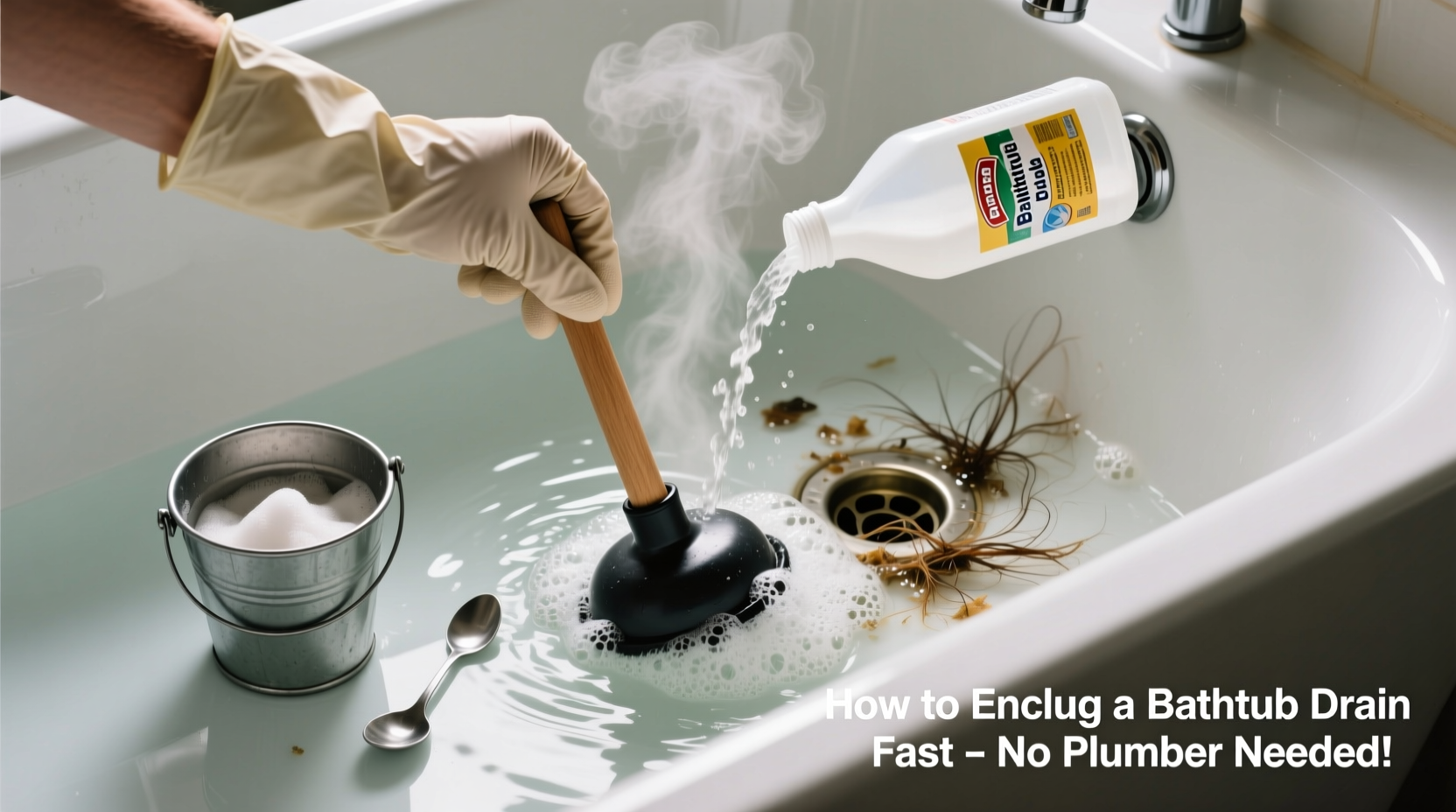
Bathtub drains are prone to blockages due to the nature of their use. Hair, soap scum, body oils, and mineral buildup from hard water combine over time to form stubborn clogs. Unlike kitchen sinks, where grease and food particles dominate, bathroom drains face a unique combination of organic and chemical residues that solidify just below the surface.
The design of most bathtub drains includes a stopper mechanism that traps debris early, which is helpful for preventing larger objects from going down but also means hair and gunk accumulate faster. Over time, these materials compact and restrict water flow. The good news? Most of these clogs occur in the shallow part of the drain—within reach of simple tools and household remedies.
Step-by-Step Guide: Clearing a Clog Without Tools or Chemicals
Sometimes the simplest solutions are the most effective. Before reaching for chemicals or mechanical tools, try this natural method using only baking soda, vinegar, and boiling water. This approach breaks down organic material gently and safely, making it ideal for regular maintenance or mild clogs.
- Remove visible debris: Use gloves or tweezers to pull out any hair or gunk around the drain cover or just beneath it.
- Pour boiling water: Heat about 4–6 cups of water to boiling. Carefully pour half down the drain to begin loosening the clog.
- Add 1 cup of baking soda: Slowly pour baking soda directly into the drain. Let it settle for 1–2 minutes.
- Follow with 1 cup of white vinegar: Immediately after adding vinegar, cover the drain with a plug or wet cloth to contain the fizzing reaction. Let sit for 30 minutes.
- Flush with remaining boiling water: Remove the cover and pour the rest of the boiling water down the drain to flush out dissolved debris.
This method works best on soft clogs made of soap and hair. For tougher blockages, repeat the process twice in one session. Avoid using this technique on PVC pipes older than 10 years, as repeated exposure to boiling water may weaken joints.
“Baking soda and vinegar won’t dissolve steel, but they’re excellent at breaking down organic sludge. It’s a safe first-line defense against most bathtub clogs.” — Mark Reynolds, Master Plumber with 25 years of field experience
Different Methods Compared: What Works When
Not all clogs are the same. Depending on severity and location, different techniques yield better results. Below is a comparison of five common unclogging methods, ranked by effectiveness, speed, safety, and required materials.
| Method | Effectiveness | Speed | Safety | Materials Needed |
|---|---|---|---|---|
| Boiling Water + Baking Soda/Vinegar | Moderate | 30–45 min | High | Baking soda, vinegar, kettle |
| Plunger | High (if seal is good) | 5–10 min | High | Cup plunger, water |
| DIY Drain Snake (Wire Hanger) | Very High | 15–20 min | Moderate | Coat hanger, gloves, pliers |
| Wet/Dry Vacuum | High | 10–15 min | High | Vacuum with wet setting |
| Chemical Drain Cleaners | Variable | 30 min+ | Low | Bottle of cleaner |
As shown, chemical cleaners rank lowest in safety due to their corrosive nature, which can damage pipes over time and release toxic fumes. Mechanical methods like plunging or snaking offer faster, longer-lasting results with less risk.
How to Make and Use a DIY Drain Snake
When a plunger fails, the next best tool is a drain snake—or “auger.” You don’t need to buy one. A straightened wire coat hanger can function just as well for shallow clogs.
Creating Your Snake
- Unwind a metal coat hanger completely using pliers.
- Bend one end into a small hook (about 1/2 inch).
- File or bend the other end into a handle for better grip.
Using the Snake
- Remove the drain stopper or overflow plate if possible.
- Insert the hooked end into the drain opening.
- Gently push and twist the wire, guiding it through bends in the pipe.
- When you feel resistance, wiggle the hook to catch hair and debris.
- Slowly pull the wire out, bringing the clog with it.
- Repeat until no more gunk emerges.
- Rinse the drain with hot water to clear residue.
This method is especially effective for hair-based clogs, which account for over 80% of bathtub blockages. Be patient—rushing can scratch metal drains or push the clog deeper.
Real Example: Fixing a Stubborn Clog in 20 Minutes
Sarah, a homeowner in Portland, noticed her tub was draining slowly after her teenage daughter’s nightly showers. Standing water lingered for over 10 minutes. She tried store-bought liquid drain cleaner the night before, but it only worsened the smell without improving flow.
The next morning, she decided to try a DIY approach. First, she removed the stopper and pulled out a tangled clump of hair by hand. Then, she used a bent wire hanger as a snake, retrieving two more dense wads from the drainpipe. Finally, she flushed the line with boiling water mixed with 1/2 cup of vinegar. Water drained freely within seconds.
Sarah saved $180—the average service call fee in her area—and resolved the issue in under 20 minutes. “I can’t believe I ever paid someone to do this,” she said. “It’s literally just fishing out hair.”
When to Use a Plunger (and How to Do It Right)
Many people assume plungers only work on toilets or kitchen sinks, but a standard cup plunger can be highly effective on bathtubs—if used correctly.
The key is creating a tight seal. Since bathtub surfaces are flat and wide, use a plunger with a flange or fold-out rubber ring. Fill the tub with enough water to cover the rubber cup (about 2–3 inches). Place the plunger directly over the drain and press down firmly to eliminate air pockets.
Then, perform rapid up-and-down motions for 30–60 seconds. Don’t pull up too quickly—this breaks the seal. Instead, maintain consistent pressure. If you feel suction give way suddenly, the clog may have dislodged. Test drainage by removing the plunger and letting water flow.
If the first attempt fails, repeat 2–3 times, alternating with hot water flushes. Success often comes on the second or third plunge.
Checklist: Unclog Your Bathtub Drain in Under 30 Minutes
Follow this concise checklist to resolve most common clogs quickly and efficiently:
- ✅ Remove visible hair and debris from the drain cover
- ✅ Try boiling water flush (half before, half after treatment)
- ✅ Apply 1 cup baking soda + 1 cup vinegar; wait 30 minutes
- ✅ Use a plunger with a tight seal; plunge for 1 minute
- ✅ Fashion a wire hanger into a drain snake and extract trapped hair
- ✅ Flush thoroughly with hot water to clear residue
- ✅ Install a hair strainer to prevent recurrence
Completing these steps in order increases your chances of success while minimizing effort and mess.
FAQ: Common Questions About Unclogging Bathtub Drains
Can I use Drano or other chemical cleaners safely?
While products like Drano can dissolve organic matter, they pose risks. They generate heat that may crack PVC pipes, and repeated use corrodes metal fittings. They’re also hazardous if mixed with other cleaners. Reserve them for emergencies and never use them in a drain with standing water containing bleach.
Why does my drain still smell bad after unclogging?
Foul odors usually come from biofilm—a slimy layer of bacteria feeding on leftover organic waste in the P-trap. Pour 1/2 cup of baking soda followed by 1 cup of hydrogen peroxide down the drain. Let it sit for an hour, then flush with hot water. This disinfects and deodorizes naturally.
What if none of these methods work?
If water still doesn’t drain after trying multiple techniques, the clog may be deep in the main line or caused by a collapsed pipe or tree root intrusion (common in older homes). In such cases, hydro-jetting or professional snake augers are needed. However, this applies to less than 5% of household clogs.
Conclusion: Take Control of Your Drain Health
Unclogging a bathtub doesn’t require a toolbox full of gadgets or a credit card swipe for emergency plumbing. With basic knowledge and everyday household items, you can tackle most clogs in under 30 minutes. The real power lies in prevention—simple habits like using a hair catcher, flushing with hot water weekly, and avoiding chemical cleaners keep your drains flowing smoothly for months.
Every time you remove a wad of hair with a bent wire, you’re not just fixing a problem—you’re reclaiming independence from costly services and building confidence in handling home maintenance. Start today. Your next clog doesn’t stand a chance.




 浙公网安备
33010002000092号
浙公网安备
33010002000092号 浙B2-20120091-4
Comments
No comments yet. Why don't you start the discussion?