
Clogged drains are a common household issue that can quickly escalate from a minor inconvenience to a full-blown plumbing emergency. While chemical drain cleaners promise fast results, they often come with harsh side effects: toxic fumes, damage to pipes, and environmental harm. Fortunately, nature offers a powerful alternative. Using just two pantry staples—baking soda and vinegar—you can effectively clear most clogs without compromising your health or the planet.
This method has been trusted for generations not only because it’s inexpensive but also because it works through natural chemistry. When combined, baking soda (sodium bicarbonate) and vinegar (acetic acid) create a fizing reaction that helps break down organic matter like grease, hair, and soap scum—the usual culprits behind slow-moving or blocked drains.
The Science Behind Baking Soda and Vinegar Drain Cleaning
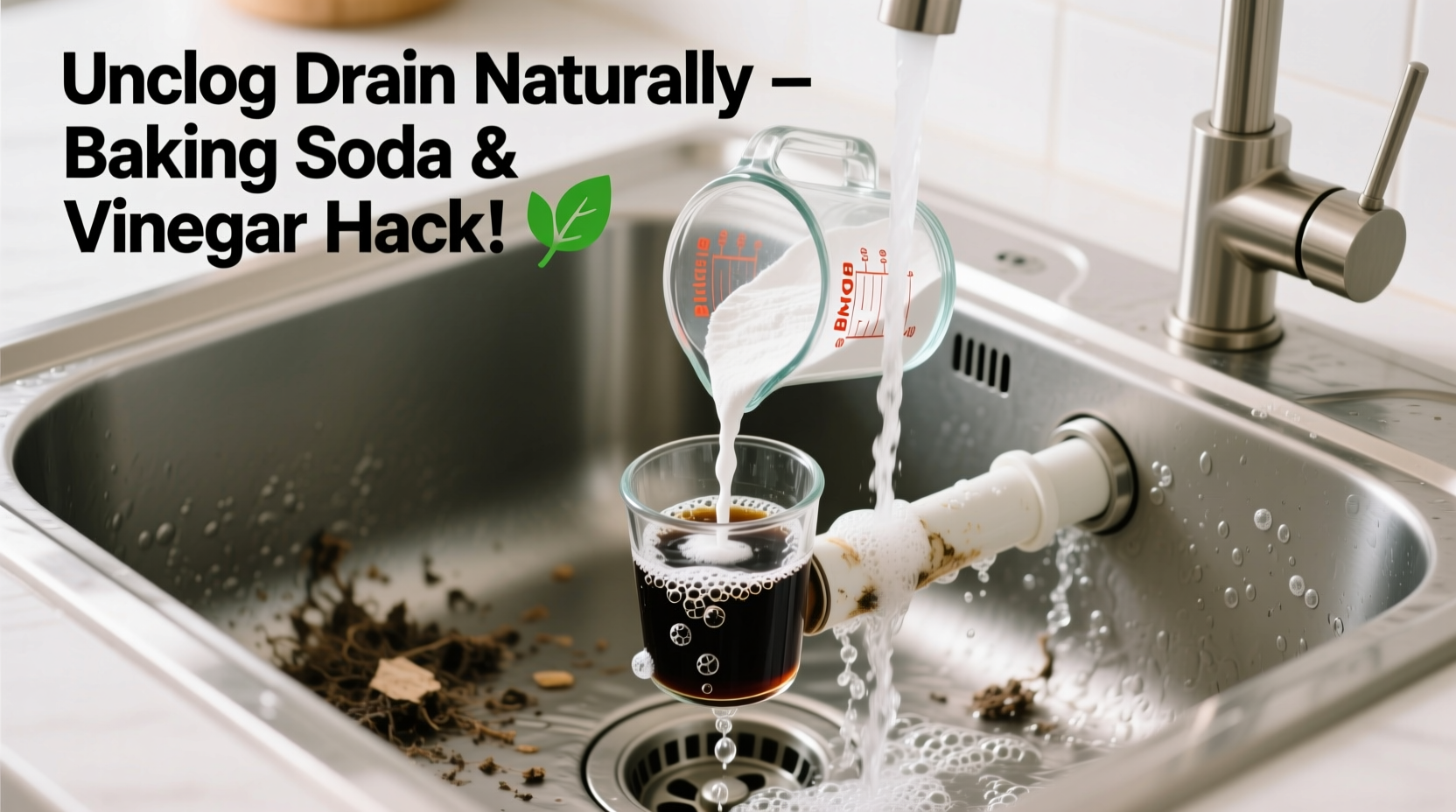
The effectiveness of this duo lies in their chemical interaction. When baking soda meets vinegar, they produce carbon dioxide gas, which causes the bubbling and fizzing action. This effervescence helps dislodge debris stuck along pipe walls. But beyond the visual spectacle, each ingredient plays a distinct role:
- Baking soda acts as a mild alkali and abrasive. It neutralizes odors and begins breaking down fatty acids in grease.
- Vinegar, being acidic, dissolves mineral deposits and further degrades organic buildup.
Together, they form a synergistic cleaning solution capable of tackling moderate blockages safely. According to Dr. Linda Harper, an environmental chemist at Green Living Labs:
“Unlike synthetic drain openers that corrode pipes over time, natural solutions like baking soda and vinegar clean without causing structural damage. They’re especially effective for maintenance and early-stage clogs.” — Dr. Linda Harper, Environmental Chemist
While they may not replace a plumber for severe obstructions, these ingredients are ideal for routine upkeep and minor backups in kitchen sinks, bathroom basins, showers, and tubs.
Step-by-Step Guide: Unclogging Your Drain Naturally
Follow this proven sequence for maximum effectiveness. The process takes about 30 minutes but requires minimal effort.
- Boil water: Start by heating 4 cups (about 1 liter) of water to a rolling boil. Use distilled or filtered water if possible to avoid introducing more minerals into your pipes.
- Pour half the hot water down the drain: This pre-rinses the pipe and softens any greasy residue.
- Add 1/2 cup of baking soda directly into the drain: Ensure it goes straight into the opening rather than sticking to the rim.
- Follow with 1 cup of white vinegar: Immediately pour vinegar after the baking soda. You’ll notice immediate fizzing—this is the reaction at work.
- Cover the drain: Place a plug or wet cloth over the drain to contain pressure and direct the reaction downward. Let sit for 15–30 minutes.
- Flush with remaining boiling water: After the waiting period, remove the cover and slowly pour the rest of the hot water to flush out loosened debris.
- Test flow: Run lukewarm water to check drainage speed. Repeat once weekly for persistent issues.
Enhanced Variations for Tougher Clogs
Sometimes, a basic mix isn’t enough—especially in high-use areas like kitchen sinks where food waste accumulates. Here are three upgraded versions of the standard method:
1. Salt and Baking Soda Pre-Treatment
Mix 1/4 cup salt and 1/4 cup baking soda before adding vinegar. Salt increases abrasiveness and helps cut through grease faster. Ideal for greasy kitchen drains.
2. Boiling Water + Baking Soda + Lemon Juice Alternative
If you don't have vinegar, lemon juice works similarly due to its citric acid content. Combine 1/2 cup baking soda with 1 cup lemon juice. Note: Less foaming occurs, so allow a longer dwell time (up to 45 minutes).
3. Overnight Deep Clean
For chronic slowdowns:
- Pour 1 cup baking soda followed by 1 cup vinegar.
- Cover and let react for 10 minutes.
- Add another 1/2 cup baking soda and leave overnight.
- In the morning, flush with boiling water.
This extended exposure allows deeper penetration into narrow pipe sections.
Do’s and Don’ts of Natural Drain Maintenance
| Do’s | Don’ts |
|---|---|
| Use weekly – Regular treatments prevent buildup. | Combine with chemical cleaners – Mixing natural and chemical products can release dangerous gases. |
| Run hot water afterward – Ensures complete flushing of debris. | Use on completely blocked drains – If no water drains at all, try a plunger first. |
| Clean overflow openings too – These often harbor grime that contributes to odor and clogs. | Use on aluminum pipes – The reaction can corrode soft metals; test on small area first. |
| Use distilled white vinegar – Cheaper and more effective than apple cider vinegar. | Expect instant results for major clogs – Severe blockages may require mechanical tools. |
Real-Life Example: Reviving a Kitchen Sink That Hadn’t Drained in Days
Jamie R., a homeowner in Portland, Oregon, noticed her kitchen sink was backing up every time she ran the dishwasher. Despite frequent use of commercial gel cleaners, the problem worsened until water pooled for hours after washing dishes.
Frustrated and concerned about chemical exposure around her young children, she decided to try the baking soda and vinegar method. She started with the basic steps but added salt due to visible grease. After letting the mixture sit overnight, she flushed with boiling water the next morning.
To her surprise, the sink drained completely within seconds. Over the next two weeks, she repeated the treatment weekly. Six months later, she reports no recurrence—and says she hasn’t used a single chemical cleaner since.
“It felt almost too simple,” Jamie said. “But seeing the gunk come up during the flush made me realize how much junk had built up. Now I do it every Sunday night like clockwork.”
When to Move Beyond Baking Soda and Vinegar
While highly effective for organic clogs, there are limits to what this method can achieve. Consider alternative approaches if you observe any of the following:
- Water doesn’t drain at all, even after multiple attempts.
- Gurgling sounds persist throughout plumbing system.
- Multiple fixtures back up simultaneously (e.g., toilet and shower).
- Foul sewage-like odors emerge regularly.
These signs suggest a deeper issue—possibly a mainline clog or venting problem—that requires professional assessment. In such cases, a plumber might use a motorized auger or camera inspection to locate the blockage.
However, even when calling a pro, starting with a natural treatment can reduce the severity of the clog and potentially lower repair costs.
Checklist: Monthly Eco-Friendly Drain Maintenance Routine
Prevention is always better than cure. Incorporate this quick monthly routine to keep drains flowing freely:
- ☐ Once per week: Pour 1/2 cup baking soda + 1 cup vinegar down each drain; follow with boiling water.
- ☐ Remove and clean sink strainers and pop-up stoppers.
- ☐ Flush outdoor drains and basement floor traps with hot water.
- ☐ Inspect garbage disposal for trapped food (if applicable).
- ☐ Check for slow drainage and address immediately.
- ☐ Educate household members on proper disposal habits (no oil, coffee grounds, or wipes).
Frequently Asked Questions
Can baking soda and vinegar damage PVC pipes?
No. Unlike caustic chemical cleaners that can degrade PVC over time, baking soda and vinegar are gentle and non-corrosive. Their reaction is short-lived and poses no risk to modern plastic piping when used correctly.
Why isn’t my drain clearing after multiple tries?
If the clog persists after 2–3 applications, it may be caused by non-organic material (like a toy or rag), tree roots invading outdoor lines, or a collapsed pipe. At this point, mechanical intervention (plunger, drain snake) or professional help is recommended.
Is it safe to use this method if I already used a chemical cleaner?
No. Never mix vinegar with bleach or ammonia-based products—this creates toxic chlorine gas. Wait at least 48 hours after chemical use and flush thoroughly with water before attempting a natural remedy.
Conclusion: A Simple Shift Toward Sustainable Home Care
Unclogging a drain doesn’t require hazardous chemicals or expensive services in most cases. With baking soda and vinegar, you harness a safe, accessible, and scientifically sound solution that protects both your home and the environment. What starts as a quick fix can evolve into a sustainable habit—reducing reliance on plastics, lowering indoor air pollution, and minimizing wastewater toxicity.
Millions of households are rediscovering the power of simple ingredients to solve everyday problems. By adopting this eco-friendly hack, you're not just fixing a sink—you're contributing to a larger movement toward mindful living.




 浙公网安备
33010002000092号
浙公网安备
33010002000092号 浙B2-20120091-4
Comments
No comments yet. Why don't you start the discussion?