
A clogged kitchen sink is more than an inconvenience—it disrupts meal prep, cleaning routines, and can lead to lingering odors or water damage if ignored. Most people reach for a plunger first, but sometimes it simply doesn’t deliver. When that happens, knowing what to do next can save time, prevent costly plumbing calls, and restore functionality fast. The truth is, plungers often fail because they can't generate enough suction in double-basin sinks or when the clog is deep or greasy. This guide walks through proven alternatives—from household remedies to mechanical tools—that actually work when the plunger falls short.
Why Plungers Fail on Kitchen Sink Clogs
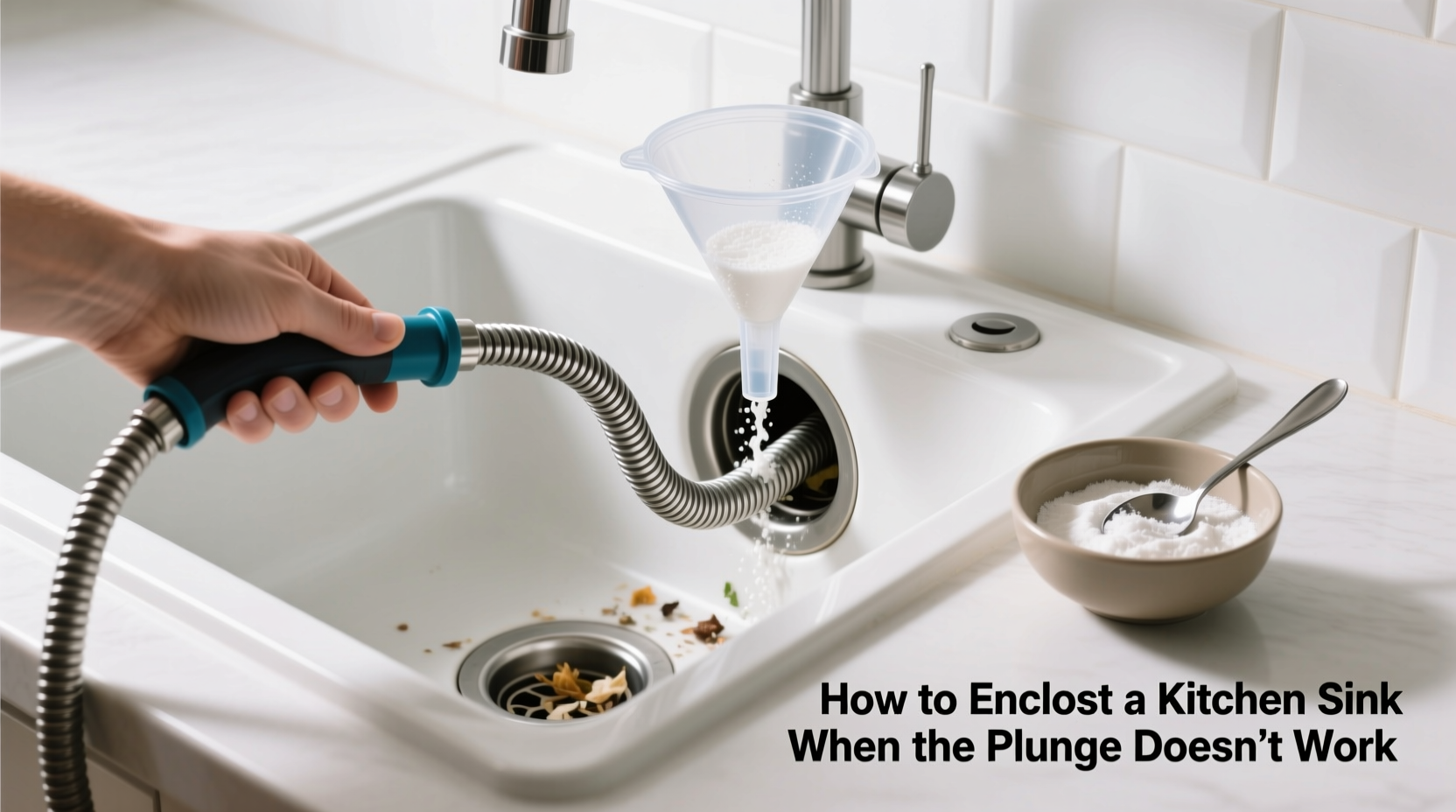
The plunger is a go-to tool for many homeowners, but its effectiveness depends heavily on seal quality, water level, and clog composition. In kitchens, clogs are typically caused by a mix of food particles, grease, soap scum, and coffee grounds—substances that harden over time and resist simple suction. Unlike toilets, kitchen sinks often have two basins and overflow holes, making it difficult to create the airtight seal needed for plunging to work.
Additionally, grease buildup coats pipe walls and gradually narrows the passage, creating a slow drain rather than a full blockage. A plunger may shift debris slightly but rarely clears such obstructions completely. As one licensed plumber explains:
“Grease clogs aren’t like solid object blockages. They’re sticky, layered, and often spread across several feet of pipe. A plunger might agitate them, but it won’t dissolve or extract them.” — Carlos Mendez, Master Plumber with 18 years of residential experience
Understanding why plungers fail helps you choose better alternatives. Instead of repeating ineffective plunging, shift focus to dissolving, breaking up, or physically removing the clog.
Step-by-Step: What to Do When the Plunger Doesn’t Work
If your plunger hasn’t cleared the clog after several strong attempts, follow this systematic approach to restore drainage without damaging your pipes.
- Stop using the sink immediately. Continued use will push more water and debris into the trap, worsening the backup.
- Remove standing water. Use a cup or small bucket to scoop out excess water from the sink basin. You only need about 2–3 inches of water for most unclogging methods to work effectively.
- Seal off the second drain (if applicable). In double-basin sinks, plug the unused side with a wet rag or sink stopper. This improves pressure during plunging or chemical treatments.
- Close the overflow opening. Locate the small hole near the top of the sink rim. Cover it tightly with duct tape or a wet rag. This helps build pressure when using vacuum-based tools or chemicals.
- Try a baking soda and vinegar flush. Pour ½ cup of baking soda down the drain, followed by 1 cup of white vinegar. Cover the drain with a plug and let it fizz for 30 minutes, then flush with boiling water.
When Natural Remedies Don’t Work: Mechanical Solutions
If the baking soda and vinegar method fails, it’s time to move beyond chemistry and tackle the clog physically. Here are three reliable mechanical approaches:
1. Use a Drain Snake (Hand Auger)
A manual drain snake is a flexible coil of metal that reaches deep into pipes to break up or retrieve clogs. It’s especially effective for soft blockages like hair, food scraps, and sludge.
To use:
- Feed the tip of the snake into the drain slowly.
- Rotate the handle clockwise as you push forward.
- When you feel resistance, keep turning to either hook or crush the clog.
- Pull out the snake, clean off any debris, and repeat if necessary.
- Flush with hot water afterward to clear loose particles.
For kitchen sinks, a 15- to 25-foot auger is sufficient. Avoid using excessive force, which could scratch or puncture PVC pipes.
2. Disassemble the P-Trap
The P-trap is the U-shaped pipe under your sink that collects debris. It’s often the source of clogs and can be easily accessed without special tools.
Steps:
- Place a bucket beneath the trap to catch residual water.
- Use adjustable pliers or a wrench to loosen the slip nuts on both ends.
- Remove the trap and empty its contents into the bucket.
- Inspect for buildup and clean thoroughly with a bottle brush or hose.
- Reattach the trap, hand-tighten the nuts, and test for leaks.
3. Try a Wet/Dry Vacuum
A shop vacuum set to suction mode can generate far more force than a plunger. Ensure your model is rated for liquids.
Method:
- Create a tight seal over the drain using a rag or rubber gasket.
- Set the vacuum to “liquid” mode.
- Turn it on and let it run for 30–60 seconds.
- Check if water begins to drain.
This method works best when the clog is within 10–15 feet of the sink and not completely solid.
Commercial Products: What Works and What Doesn’t
Chemical drain cleaners are widely available, but their effectiveness varies—and some can damage pipes or pose health risks. Below is a comparison of common options:
| Product Type | Best For | Risks | Recommended? |
|---|---|---|---|
| Caustic (e.g., lye-based) | Fat and grease clogs | Can corrode metal pipes; harmful fumes | Sometimes – use sparingly |
| Acidic (e.g., sulfuric acid) | Mineral buildup | Dangerous to skin; damages PVC | No – avoid in homes |
| Enzymatic | Organic matter, recurring clogs | Slow acting; not for emergencies | Yes – safest long-term option |
| Oxidizing (e.g., bleach-based) | Odor control, light clogs | Limited clearing power | No – poor unclogging performance |
Enzymatic cleaners, which use bacteria to digest organic waste, are ideal for maintenance but too slow for urgent clogs. If using chemical cleaners, never mix types and always follow label instructions. Never use chemicals after attempting a baking soda/vinegar flush—this creates toxic gas.
Real Example: A Grease-Clogged Sink in a Busy Household
In suburban Denver, Sarah Thompson noticed her kitchen sink draining slower each week. After a family dinner involving fried chicken and mashed potatoes, the sink backed up completely. She tried plunging for 10 minutes with no success. The overflow hole wasn’t sealed, and the second basin was open, preventing proper suction.
Following online advice, she sealed both openings and used a baking soda-vinegar mix. No improvement. The next day, she rented a hand auger from a hardware store. After feeding it 18 inches into the drain, she felt resistance. Rotating the handle, she pulled out a clump of congealed bacon grease wrapped around coffee grounds.
She flushed the line with hot water, reassembled the P-trap after cleaning it, and restored full flow. Since then, she runs enzymatic cleaner weekly and avoids pouring fats down the drain. This real-world case shows that persistence and the right tool make all the difference.
Prevention Checklist: Stop Clogs Before They Start
Once the clog is gone, take steps to prevent recurrence. Use this checklist monthly:
- ✅ Scrape plates before rinsing—don’t let food scraps enter the drain.
- ✅ Run hot water after each use to flush away light residue.
- ✅ Once a week, pour ½ cup baking soda + 1 cup vinegar down the drain, followed by boiling water.
- ✅ Install a mesh strainer to catch solids.
- ✅ Avoid disposing of oils, eggshells, rice, pasta, or coffee grounds in the sink.
- ✅ Schedule quarterly enzymatic treatment for garbage disposal lines.
Frequently Asked Questions
Can I use a toilet auger on a kitchen sink?
No. Toilet augers are longer and stiffer, designed for porcelain fixtures. Using one on a kitchen sink can scratch or crack the finish. Always use a smaller, sink-specific hand auger.
Is it safe to mix baking soda and vinegar in the drain?
Yes, when done correctly. The reaction produces carbon dioxide and water, which helps lift debris. However, never mix these with commercial cleaners—they can produce toxic chlorine gas.
When should I call a plumber?
Call a professional if:
- Water backs up into other fixtures (like the dishwasher or floor).
- You’ve tried multiple methods with no improvement.
- You suspect a sewer line issue (foul odor, gurgling sounds).
- There’s visible leakage under the sink after disassembly.
Conclusion: Take Action Before Small Clogs Become Big Problems
When the plunger fails, don’t panic—there are multiple effective ways to unclog a kitchen sink. From natural flushes to mechanical snakes and strategic disassembly, the solution often lies in persistence and the right technique. Understanding your sink’s anatomy and the nature of common clogs empowers you to act confidently and safely.
Most importantly, prevention is simpler and cheaper than repair. Simple habits like using strainers, avoiding grease disposal, and regular maintenance can keep your sink flowing smoothly for years. Don’t wait until water pools in the basin—address slow drains early and avoid emergency scenarios.




 浙公网安备
33010002000092号
浙公网安备
33010002000092号 浙B2-20120091-4
Comments
No comments yet. Why don't you start the discussion?