
A clogged sink is one of the most common household nuisances, yet it doesn’t always require professional help or harsh chemical drain cleaners. In fact, many blockages—especially those caused by grease, food scraps, hair, or soap buildup—can be cleared using only items already in your kitchen or cleaning cabinet. Not only are these methods safer for your pipes and the environment, but they’re also gentler on your wallet. This guide walks through proven, non-toxic techniques that rely solely on everyday household tools and ingredients.
Why Avoid Chemical Drain Cleaners?
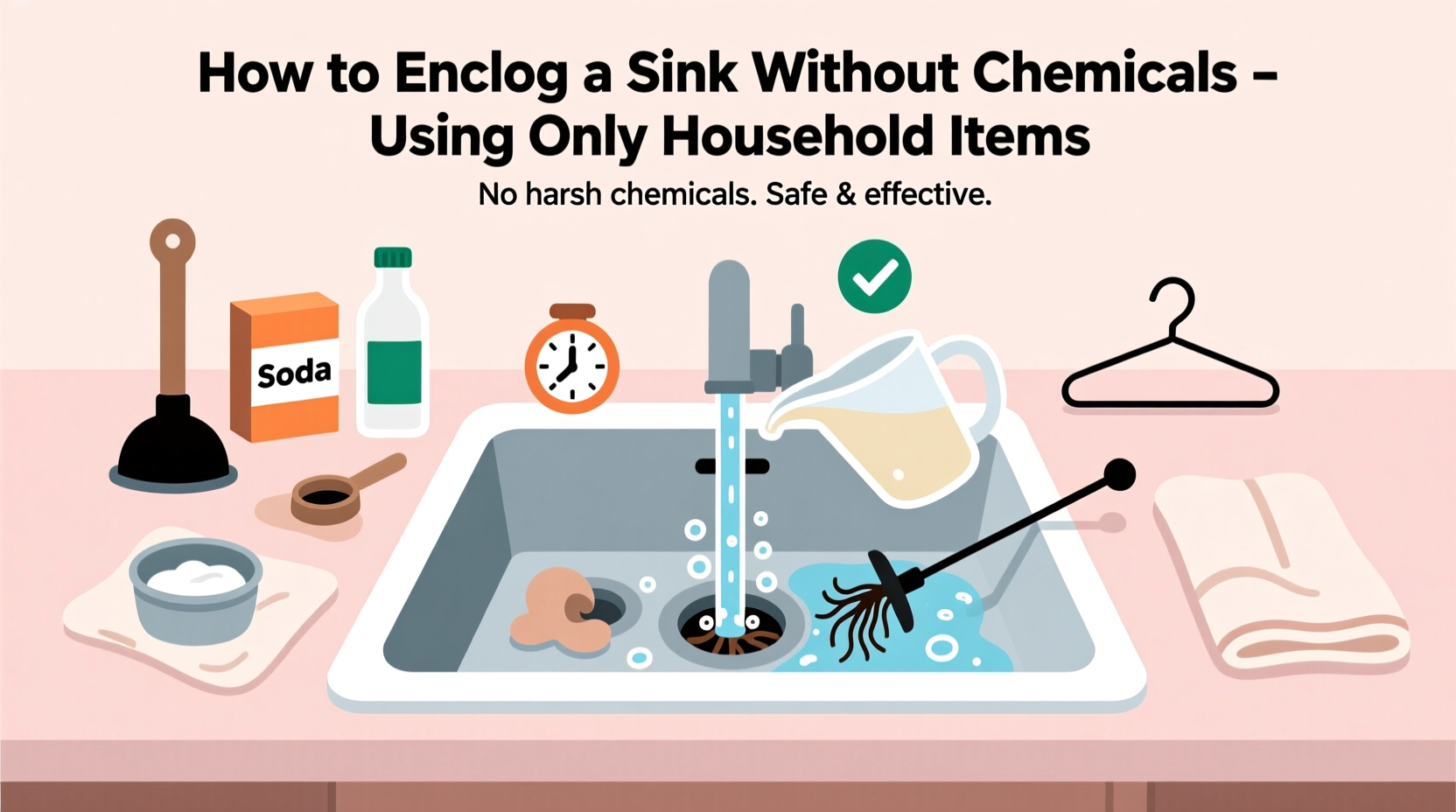
While chemical drain openers promise fast results, they come with significant drawbacks. Most contain corrosive substances like sodium hydroxide or sulfuric acid, which can damage older pipes, especially if used repeatedly. These chemicals may also harm septic systems and contribute to water pollution. In homes with children or pets, the risk of accidental exposure adds another layer of concern.
Mechanical and natural methods not only eliminate these risks but often address the root cause of the clog more effectively. A slow-draining sink typically indicates a partial blockage near the surface—exactly where DIY solutions work best.
“Household remedies like boiling water, baking soda, and plunging are not only safer but often just as effective as chemical alternatives for minor to moderate clogs.” — Dr. Linda Reyes, Environmental Health Specialist
Essential Household Tools You Already Own
You don’t need specialized equipment to tackle a clogged sink. The following items are commonly found in most homes and form the backbone of chemical-free unclogging:
- Baking soda (sodium bicarbonate)
- White vinegar (acetic acid)
- Boiling water
- Rubber plunger (preferably cup-style for sinks)
- Wire hanger or zip tie (for manual debris removal)
- Dish soap (especially degreasing formulas)
- Measuring cup or funnel
- Bucket or large bowl (to catch water during disassembly)
Step-by-Step Guide: Unclogging a Sink Without Chemicals
The following sequence combines multiple household methods for maximum effectiveness. Start with the least invasive approach and escalate only if needed.
- Remove standing water: If the sink is full, bail out excess water with a cup until only a few inches remain. This allows plunging and prevents splashing.
- Pour boiling water: Carefully pour a kettle of boiling water down the drain in two to three stages, allowing each pour to work for 30 seconds. This often loosens grease and soft organic matter.
- Use baking soda and vinegar:
- Add ½ cup of baking soda directly into the drain.
- Follow with 1 cup of white vinegar.
- Cover the drain with a plug or wet cloth to contain the fizzing reaction.
- Wait 15–30 minutes.
- Flush with another pot of boiling water.
- Plunge the drain:
- Ensure there's enough water to cover the rubber cup of the plunger.
- Seal the overflow hole (if present) with a wet rag—this improves suction.
- Push down and pull up firmly 15–20 times in quick succession.
- Repeat if necessary, then flush with hot water.
- Manual removal (for stubborn clogs):
- Place a bucket under the P-trap (the curved pipe beneath the sink).
- Loosen slip nuts with a wrench or pliers and remove the trap.
- Clean out any debris by hand or with a bottle brush.
- Reassemble and test the flow.
- Zip tie snake (alternative to plumbing auger):
- Unravel a plastic zip tie and bend the end slightly to act as a hook.
- Insert it into the drain, twisting gently as you push deeper.
- Pull out slowly—if successful, hair and gunk will cling to the ridges.
- Repeat until no more debris comes out.
When to Combine Methods
For greasy kitchen sink clogs, start with boiling water, then follow with baking soda and vinegar. Afterward, plunge to force the reaction deeper into the pipe. For bathroom sink clogs dominated by hair, skip boiling water (risk of melting PVC) and go straight to the zip tie method after attempting the plunger.
Do’s and Don’ts of Natural Sink Unclogging
| Do’s | Don’ts |
|---|---|
| Use boiling water for metal pipes (cast iron or copper) | Use boiling water on PVC pipes—it can warp or weaken them |
| Seal the overflow when plunging a sink | Ignore recurring clogs—they may indicate a deeper issue |
| Regularly flush drains with hot water and dish soap | Use chemical cleaners after trying vinegar—mixing can produce toxic fumes |
| Disassemble the P-trap carefully and place a bucket underneath | Force connections when reassembling—hand-tighten only |
| Use a bent wire hanger or zip tie to extract hair | Push objects deeper with excessive force |
Real Example: Clearing a Kitchen Sink Clog in 20 Minutes
Sarah, a homeowner in Portland, noticed her kitchen sink was draining slowly after dinner prep. Grease from sautéed vegetables had built up over time. She started by pouring two kettles of boiling water down the drain—some improvement, but still sluggish. Next, she added ½ cup of baking soda followed by 1 cup of vinegar. While the mixture bubbled, she covered the drain with a damp cloth. After 20 minutes, she flushed with more hot water. When flow remained poor, she used a plunger for 15 vigorous pumps. Water began draining freely. To finish, she ran hot soapy water for a minute to clear residual grease. Total time: 22 minutes. No chemicals, no call to a plumber.
Preventative Maintenance Checklist
To avoid frequent clogs, adopt these simple habits:
- ✅ Pour hot water down the sink weekly (kitchen and bathroom)
- ✅ Use a drain strainer to catch food scraps and hair
- ✅ Once a month, perform a baking soda and vinegar treatment
- ✅ Wipe greasy dishes with a paper towel before washing
- ✅ Avoid pouring oils, coffee grounds, or starchy liquids down the drain
- ✅ Plunge lightly every few weeks to maintain flow
Frequently Asked Questions
Can I use apple cider vinegar instead of white vinegar?
Yes, but white vinegar is more effective due to its higher acetic acid concentration (typically 5–7%). Apple cider vinegar works in a pinch but may leave residue or odor.
Is it safe to plunge a double sink?
Only if one drain is blocked. Plug the unclogged side with a wet cloth or stopper to create proper pressure. Never plunge a completely full or overflowing sink—remove excess water first.
What if none of these methods work?
If the sink remains clogged after trying all steps, the blockage may be deeper in the plumbing system—possibly in the main sewer line. Signs include gurgling sounds in other drains or backups when using appliances. At this point, consider calling a licensed plumber who can use a motorized auger or camera inspection.
Expert Tips for Long-Term Drain Health
Prevention is far easier than repair. Simple daily habits significantly reduce the likelihood of clogs forming in the first place. One overlooked practice is using dish soap strategically. A squirt of degreasing dish soap followed by hot water after evening dishes helps break down residual oils before they solidify.
In bathrooms, install a fine mesh screen over the drain to catch hair. These cost less than $5 and save hours of maintenance. For households with long-haired individuals, cleaning the screen weekly prevents gradual buildup.
“The best drain care routine is invisible—it happens before problems arise.” — Mark Tran, Master Plumber with 18 years of residential experience
Conclusion: Take Control of Your Drains Naturally
Unclogging a sink without chemicals isn’t just possible—it’s often the smarter, safer choice. With boiling water, baking soda, vinegar, a plunger, and a little elbow grease, most household clogs can be resolved in under an hour. These methods protect your pipes, your health, and the environment, all while saving money on products and service calls.
Start today by checking your sink’s drainage speed. If it’s sluggish, apply one of the sequences outlined here. Then commit to monthly maintenance to keep things flowing smoothly. Small actions now prevent big headaches later.




 浙公网安备
33010002000092号
浙公网安备
33010002000092号 浙B2-20120091-4
Comments
No comments yet. Why don't you start the discussion?