
A clogged sink is one of the most common household nuisances. Whether it's in the kitchen or bathroom, standing water and slow drainage disrupt daily routines. While chemical drain cleaners are widely available, they often contain harsh ingredients that can damage pipes, harm the environment, and pose health risks. Fortunately, you don’t need toxic substances to clear a blockage. With simple tools and natural household items, you can safely and effectively unclog your sink—without a single chemical.
Why Avoid Chemical Drain Cleaners?
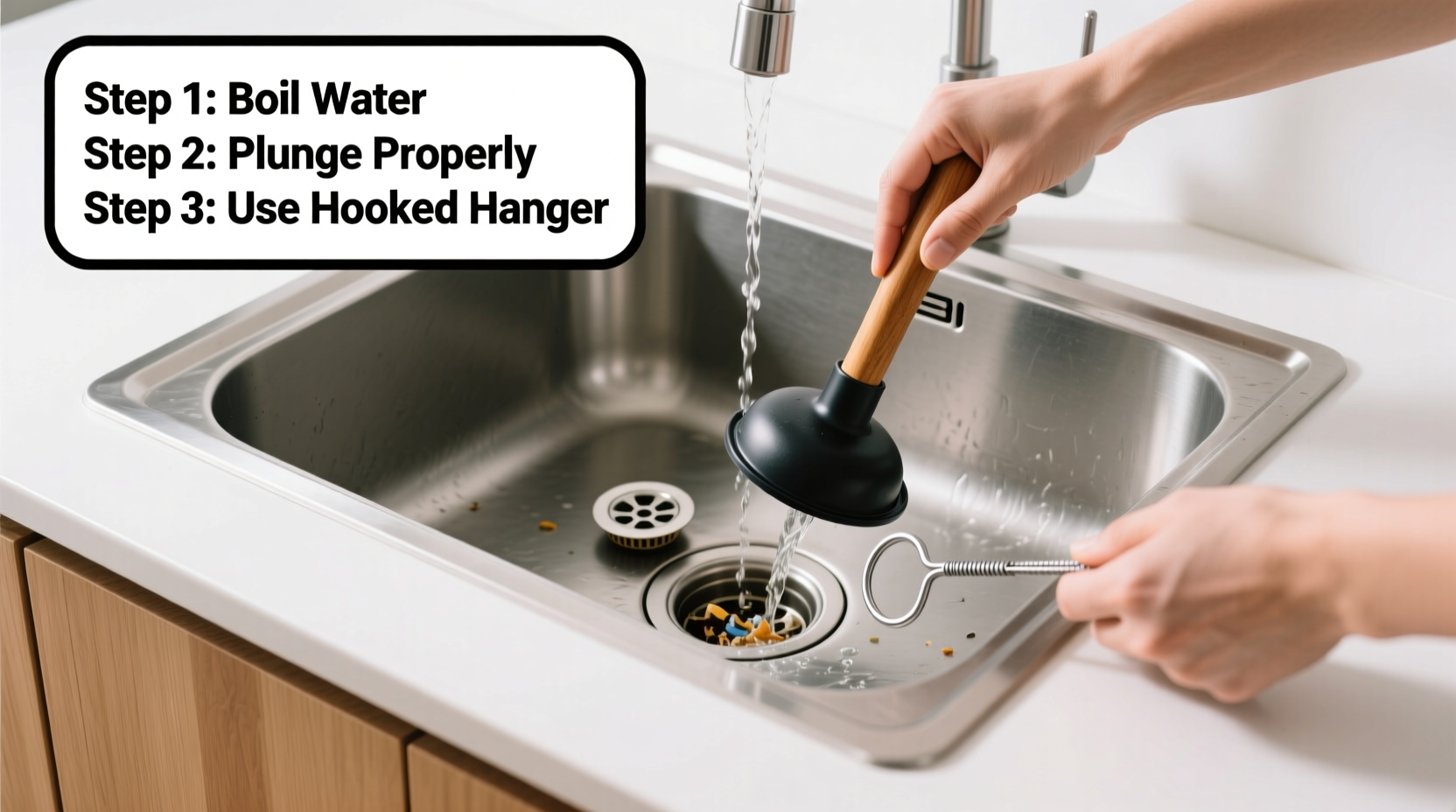
Chemical drain openers typically rely on caustic substances like sodium hydroxide or sulfuric acid to dissolve organic matter. While they may appear effective, they come with significant downsides:
- Pipe damage: Repeated use can corrode metal pipes and soften PVC over time, leading to leaks or ruptures.
- Environmental impact: Toxic residues enter wastewater systems and can harm aquatic life.
- Health hazards: Fumes can irritate lungs, and direct contact can cause burns or skin irritation.
- Incomplete clearing: They may only partially dissolve clogs, leaving behind material that re-hardens.
“Using mechanical and natural methods first not only protects your plumbing but also prevents unnecessary exposure to dangerous substances.” — Carlos Mendez, Master Plumber with 20+ years of residential experience
For these reasons, professionals often recommend non-chemical solutions as the first line of defense against clogs.
Mechanical Methods: The First Line of Defense
Before attempting any solution, determine whether the clog is localized (e.g., just in the sink trap) or deeper in the drain line. Start with the least invasive method and escalate only if needed.
1. Remove Debris Manually (Bathroom Sinks)
In bathroom sinks, hair and soap scum are frequent culprits. Use gloves and tweezers or needle-nose pliers to pull out visible debris from the drain opening or pop-up stopper.
2. Use a Plunger Effectively
Many people assume plungers only work for toilets, but a cup-style plunger works well on sinks when used correctly.
- Remove any standing water above the overflow hole (usually near the top of the basin).
- Seal the overflow opening with a wet rag to maintain pressure.
- Cover the drain completely with the plunger, creating an airtight seal.
- Push down gently at first, then perform rapid up-and-down motions for 20–30 seconds.
- Repeat 3–4 times, then remove the plunger and run hot water to test flow.
If water drains freely, the clog has likely been dislodged. If not, move to more advanced techniques.
Natural Solutions Using Household Items
When mechanical efforts fail, natural remedies can break down organic buildup safely. These methods are ideal for grease, food particles, hair, and soap residue.
Baking Soda and Vinegar Reaction
This classic combination creates a foaming action that helps loosen debris and deodorize the pipe.
- Pour ½ cup of baking soda directly into the drain.
- Follow with 1 cup of white vinegar.
- Cover the drain with a plug or wet cloth to contain the fizzing reaction.
- Wait 30 minutes (or up to 1 hour for stubborn clogs).
- Flush with 4–6 cups of boiling water.
This method is particularly effective for mild to moderate clogs caused by organic waste. For best results, repeat weekly as preventive maintenance.
Salt, Baking Soda, and Boiling Water Blend
A variation favored by older plumbing guides combines abrasives and heat to scour pipe walls.
- Mix ½ cup coarse salt and ½ cup baking soda.
- Pour the mixture into the drain.
- Let sit for 30 minutes.
- Flush thoroughly with boiling water.
The salt acts as a mild abrasive, helping to scrub away film and grime. This blend works especially well in kitchen sinks where grease accumulates.
Advanced Physical Tools for Stubborn Clogs
When natural mixtures don't resolve the issue, physical tools offer reliable results without damaging your plumbing.
Drain Snake (Plumber’s Auger)
A hand-cranked drain snake can reach clogs located farther down the pipe—typically 15 to 25 feet from the sink.
- Insert the coiled end into the drain opening.
- Turn the handle clockwise while gently pushing forward.
- When you feel resistance, rotate the tip to hook or break apart the clog.
- Slowly retract the auger, wiping off any debris.
- Flush the drain with hot water to clear remaining fragments.
Use caution to avoid scratching enamel finishes. For kitchen sinks, remove the P-trap first if possible to access the drain more directly.
Wet/Dry Vacuum Method
If you own a wet/dry vacuum, it can function as a powerful suction tool to extract clogs.
- Set the vacuum to liquid mode.
- Create a tight seal over the drain using the hose and a damp cloth.
- Turn on the vacuum for 15–30 seconds.
- Check flow afterward; repeat if necessary.
This technique is surprisingly effective for partial obstructions and works best when combined with prior plunger use.
Preventative Maintenance Checklist
Prevention is always easier than repair. Follow this checklist regularly to minimize future clogs:
- ✅ Install mesh strainers in all sinks to catch hair and food scraps.
- ✅ Run hot water after each use to flush residual grease (kitchen).
- ✅ Clean pop-up stoppers monthly (bathroom).
- ✅ Perform a baking soda and vinegar treatment weekly.
- ✅ Avoid pouring oil, coffee grounds, or starchy liquids down the drain.
- ✅ Rinse sink with hot water every few days to prevent buildup.
| Method | Best For | Effectiveness | Frequency Recommended |
|---|---|---|---|
| Manual Removal | Bathroom sink hair clogs | High (if accessible) | As needed |
| Plunger | Shallow blockages | Medium to High | First response |
| Baking Soda + Vinegar | Organic buildup | Medium | Weekly maintenance |
| Drain Snake | Deep or stubborn clogs | Very High | When other methods fail |
| Wet/Dry Vacuum | Partial obstructions | High | Occasional use |
Real-Life Example: Clearing a Kitchen Sink Clog Naturally
Sarah, a homeowner in Portland, noticed her kitchen sink was draining slowly after preparing a large meal involving potatoes and onions. She avoided chemical cleaners due to having young children and opted for a DIY approach.
She started by removing the strainer and pulling out visible food bits. After placing a plunger over the drain (and sealing the side sprayer), she plunged vigorously for about 30 seconds. No improvement. Next, she poured half a cup of baking soda followed by a cup of vinegar. She covered the drain and waited 45 minutes. Finally, she flushed with boiling water from the kettle.
Water drained noticeably faster—but not completely. She repeated the baking soda/vinegar step the next morning and ran hot water throughout the day. By evening, the sink flowed normally again. Sarah now uses a fine-mesh strainer and performs a monthly deep clean to prevent recurrence.
Frequently Asked Questions
Can I use baking soda and vinegar if I have a garbage disposal?
Yes, this method is safe and even beneficial for disposals. However, run cold water and activate the disposal briefly before and after the treatment to ensure full flushing. Avoid using boiling water immediately after running the disposal—thermal shock may damage internal components.
What should I do if none of these methods work?
If multiple attempts fail, the clog may be located deeper in the main sewer line or involve a structural issue like a collapsed pipe. Signs include gurgling sounds in other drains or backups when using appliances. In such cases, contact a licensed plumber who can use camera inspection and motorized augers to diagnose and resolve the problem.
Is boiling water safe for all types of pipes?
No. While safe for metal pipes, boiling water can soften or warp PVC and PEX piping commonly found in modern homes. If you’re unsure of your plumbing material, use very hot tap water instead. Never pour boiling water into a sink with standing chemical cleaner residue—it can create dangerous fumes.
Conclusion: Take Control Without Compromising Safety
Unclogging a sink without chemicals is not only possible—it’s often the smarter, safer choice. From manual removal and plunging to natural reactions and mechanical tools, you have multiple effective options at your disposal. These methods protect your pipes, reduce environmental impact, and keep your household safe from hazardous fumes and spills.
By adopting regular maintenance habits and responding promptly to early signs of slow drainage, you can avoid most clogs before they become serious. You don’t need expensive products or professional help for everyday issues. With a little knowledge and the right technique, you can keep your sinks flowing smoothly—naturally.




 浙公网安备
33010002000092号
浙公网安备
33010002000092号 浙B2-20120091-4
Comments
No comments yet. Why don't you start the discussion?