
A slow draining sink is more than just an annoyance—it can signal the beginning of a larger plumbing issue. Water pooling around dishes, gurgling sounds, or foul odors are all signs that your drain needs attention. Before calling a plumber or buying harsh chemical cleaners, consider this: most clogs can be cleared with common household items. Baking soda, vinegar, salt, dish soap, boiling water, and even a simple plunger are often all you need. These tools are not only affordable and accessible but also safer for your pipes and the environment. This guide walks you through proven methods, backed by practical experience and expert insight, to restore proper drainage using what’s already in your kitchen or cleaning cabinet.
Understanding the Cause of a Slow Drain
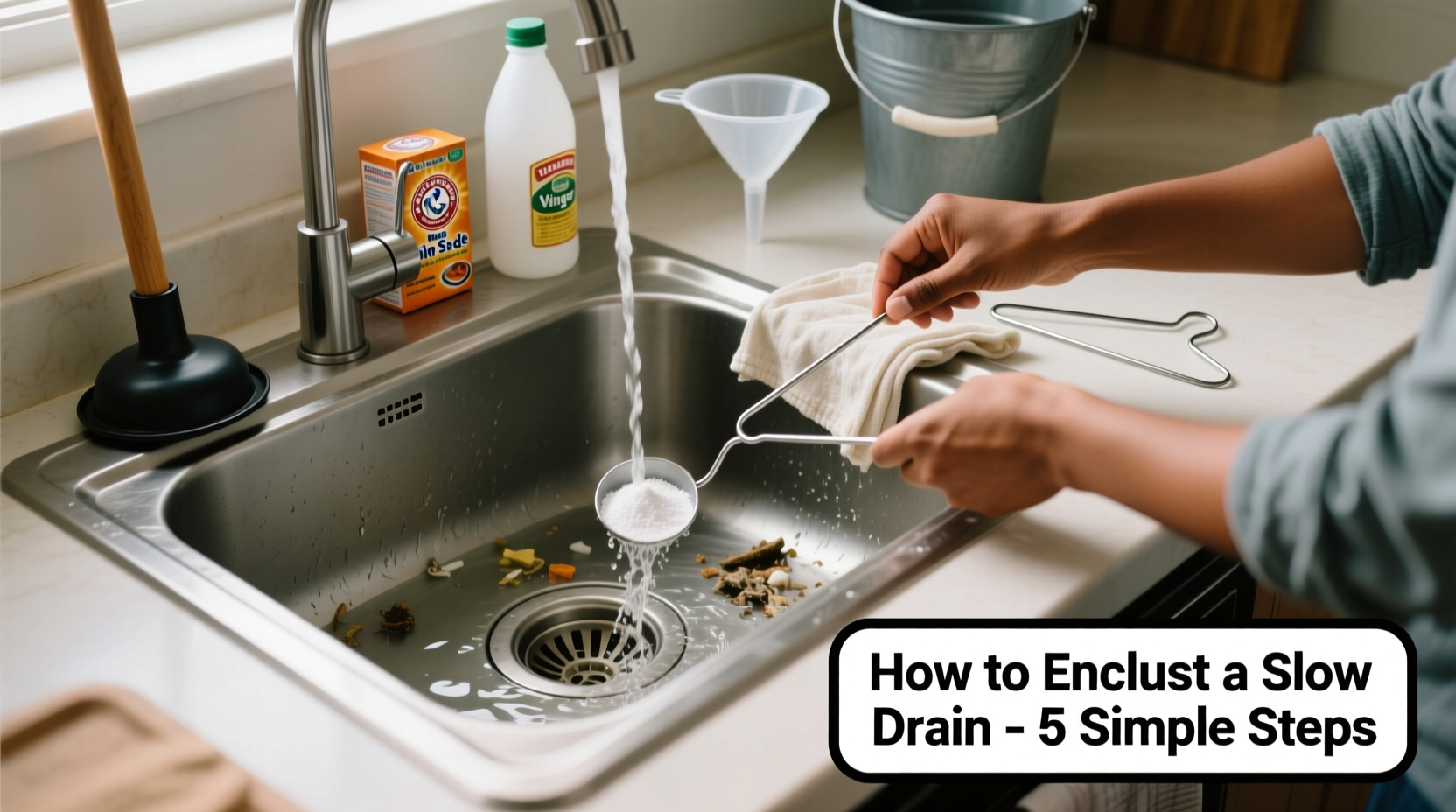
Before attempting any fix, it helps to understand what’s likely causing the slowdown. In most homes, kitchen and bathroom sink clogs aren’t caused by large debris blocking the main pipe. Instead, they result from gradual buildup:
- Kitchen sinks: Accumulation of grease, food scraps, coffee grounds, and starchy residues (like pasta or rice) that expand when wet.
- Bathroom sinks: Hair, soap scum, toothpaste residue, and mineral deposits from hard water.
These materials stick to the inner walls of the drainpipe, narrowing the passage over time. The clog is usually within the first few feet—often in the P-trap or pop-up stopper mechanism—making it accessible without professional tools.
“Most household clogs are organic and soft. They respond well to mechanical agitation or natural chemical reactions, not industrial solvents.” — Carlos Mendez, Master Plumber with 25 years of residential experience
Step-by-Step Methods Using Household Items
The following techniques are organized by effectiveness and safety. Start with the least invasive method and progress only if needed. Each uses items commonly found in homes.
1. Boiling Water Flush (Best for Grease & Light Buildup)
If the sink is draining slowly but still moving water, boiling water may be enough to dissolve grease and flush away loose debris.
- Boil 2–3 cups of water in a kettle or pot.
- Remove any standing water from the sink.
- Pour the boiling water directly into the drain in two to three stages, allowing each pour to work for 10–15 seconds before repeating.
This method works best on fresh grease buildup. Avoid using boiling water on PVC pipes if done excessively, as extreme heat can weaken joints over time. For older plumbing systems, use hot tap water instead.
2. Baking Soda and Vinegar Reaction (Natural Chemical Cleanse)
This classic combo creates a fizzing reaction that helps break apart organic material clinging to pipe walls.
- Remove standing water from the sink.
- Pour ½ cup of baking soda directly into the drain.
- Follow immediately with 1 cup of white vinegar.
- Cover the drain with a plug or damp cloth to contain the fizzing action.
- Wait 15–30 minutes.
- Flush with hot (not boiling) water for 30 seconds.
The acetic acid in vinegar reacts with sodium bicarbonate (baking soda) to produce carbon dioxide gas, which agitates the clog. While the chemical effect is mild, the physical bubbling helps dislodge grime.
3. Dish Soap and Hot Water (Ideal for Greasy Kitchen Drains)
Liquid dish soap cuts through grease, acting like a degreaser. When combined with hot water, it can flush out oily blockages.
- Squirt 1–2 tablespoons of dish soap into the drain.
- Boil 3–4 cups of water.
- Pour the hot water steadily into the drain after a 10-second delay.
This method is particularly effective when used weekly as preventative maintenance. It's safe for all pipe types and won’t damage seals.
4. Plunger Technique (Mechanical Pressure for Stubborn Clogs)
Many people assume plungers only work on toilets, but a flat-bottomed sink plunger can generate enough suction to dislodge clogs in sinks.
- Ensure there’s enough water in the sink to cover the rubber cup of the plunger (about 1–2 inches).
- Seal the overflow opening in the sink (common in bathroom sinks) with a wet rag or duct tape to maintain pressure.
- Place the plunger over the drain and pump firmly 10–15 times.
- Test drainage. Repeat if necessary.
Success depends on creating a tight seal. A slow push followed by a quick pull maximizes pressure changes in the pipe.
5. Manual Removal (For Accessible Clogs)
If previous steps fail, the clog may be within reach. This applies especially to bathroom sinks with pop-up stoppers or kitchen sinks with visible strainers.
- Remove the stopper or strainer by hand or with pliers.
- Use tweezers, needle-nose pliers, or a bent wire hanger to pull out hair and debris.
- Rinse the stopper and reinstall.
- Flush with hot water.
This step alone resolves over half of bathroom sink clogs. For kitchen sinks, check the garbage disposal flange if applicable—sometimes food jams near the opening.
Do’s and Don’ts When Clearing a Sink Clog
Mistakes can worsen the problem or damage your plumbing. Use this table to avoid common pitfalls.
| Do | Don’t |
|---|---|
| Use boiling water on metal pipes cautiously | Pour boiling water down PVC pipes repeatedly |
| Combine baking soda and vinegar for light scrubbing action | Mix vinegar with bleach or commercial drain cleaners (toxic fumes) |
| Plunge with the overflow sealed in bathroom sinks | Use excessive force with a plunger—can damage traps |
| Clean sink strainers weekly | Ignore recurring clogs—they may indicate deeper issues |
| Flush drains monthly with hot water and dish soap | Rely on chemical drain cleaners regularly—they corrode pipes |
Mini Case Study: Reviving a Kitchen Sink in a Rental Apartment
Jamie, a tenant in a 15-year-old apartment building, noticed her kitchen sink was draining slower each week. She avoided chemical cleaners due to lease restrictions and concern for the old plumbing. One evening, she tried the baking soda and vinegar method. After letting it sit for 20 minutes, she flushed with hot water—but saw minimal improvement. Remembering the grease buildup from frequent cooking, she then applied the dish soap and boiling water technique. This time, the water drained completely. To prevent recurrence, she began pouring hot, soapy water down the drain once a week. Six months later, the sink remains clear. Her landlord later confirmed that previous tenants had replaced the P-trap twice due to clogs—Jamie’s simple routine saved unnecessary repairs.
Preventative Checklist: Keep Your Drains Flowing Freely
Prevention is far easier than cure. Incorporate these habits into your routine to minimize future clogs.
- ✅ Pour hot water down the drain weekly (especially kitchen sinks)
- ✅ Use sink strainers to catch food scraps and hair
- ✅ Scrape plates before washing—don’t rely on the garbage disposal
- ✅ Clean pop-up stoppers and strainers every 7–10 days
- ✅ Once a month, perform a baking soda and vinegar treatment
- ✅ Never pour grease, coffee grounds, or starchy foods down the drain
- ✅ Run water for 10–15 seconds after each use to flush residues
Frequently Asked Questions
Can I use apple cider vinegar instead of white vinegar?
Yes, but white vinegar is preferred because it has a higher acetic acid concentration (typically 5–6%) compared to apple cider vinegar (5–6% but with added sediments). The clarity and consistency of white vinegar make it more effective for cleaning drains.
Why isn’t the baking soda and vinegar method working for me?
The fizzing reaction is impressive but short-lived. If the clog is deep or dense, the bubbles may not penetrate far enough. In such cases, combine this method with plunging afterward. Also, ensure you’re not pouring vinegar too slowly—dump it all at once to maximize the reaction.
Is it safe to use these methods in homes with septic systems?
Yes. Unlike chemical drain cleaners, baking soda, vinegar, and dish soap are septic-safe. In fact, they can help maintain bacterial balance in the tank. However, avoid overuse—once a month is sufficient for maintenance.
When to Call a Professional
While most slow drains can be resolved at home, some situations require expert help:
- Water backs up into another fixture when you run the sink (sign of a main line clog).
- Multiple drains in the house are slow or gurgling.
- You’ve tried multiple methods and the clog persists.
- There’s a persistent sewage odor, even after cleaning.
In these cases, a plumber may use a motorized auger (snake) or camera inspection to locate and remove the blockage. Attempting to dismantle pipes without experience can lead to leaks or flooding.
“Home remedies solve 80% of drain issues. But knowing when to stop and call a pro prevents costly water damage.” — Lila Tran, Licensed Plumbing Contractor
Conclusion: Take Action Before the Drip Becomes a Flood
A slow draining sink doesn’t have to escalate into an emergency. With everyday household items and a bit of know-how, you can tackle most clogs quickly and safely. The key is consistency—regular maintenance beats crisis intervention every time. Whether you’re dealing with greasy kitchen buildup or hair-clogged bathroom drains, the solutions are already in your cupboard. Start with boiling water, move to baking soda and vinegar, and don’t underestimate the power of a good plunger. By adopting simple preventative habits, you’ll protect your plumbing, save money on repairs, and avoid the frustration of standing water. Don’t wait for the next backup—address the first sign of sluggish drainage today.




 浙公网安备
33010002000092号
浙公网安备
33010002000092号 浙B2-20120091-4
Comments
No comments yet. Why don't you start the discussion?