
In modern relationships, the cell phone has become more than a communication tool—it's a window into emotional availability, interest levels, and long-term intentions. With so much interaction happening digitally, subtle behaviors around texting, calling, social media, and device habits can reveal whether someone is truly committed or merely going through the motions. Understanding these signals requires attention, context, and emotional intelligence. This guide breaks down what specific phone-related actions mean, how to interpret them accurately, and when to take action based on what you observe.
1. Decoding Communication Patterns
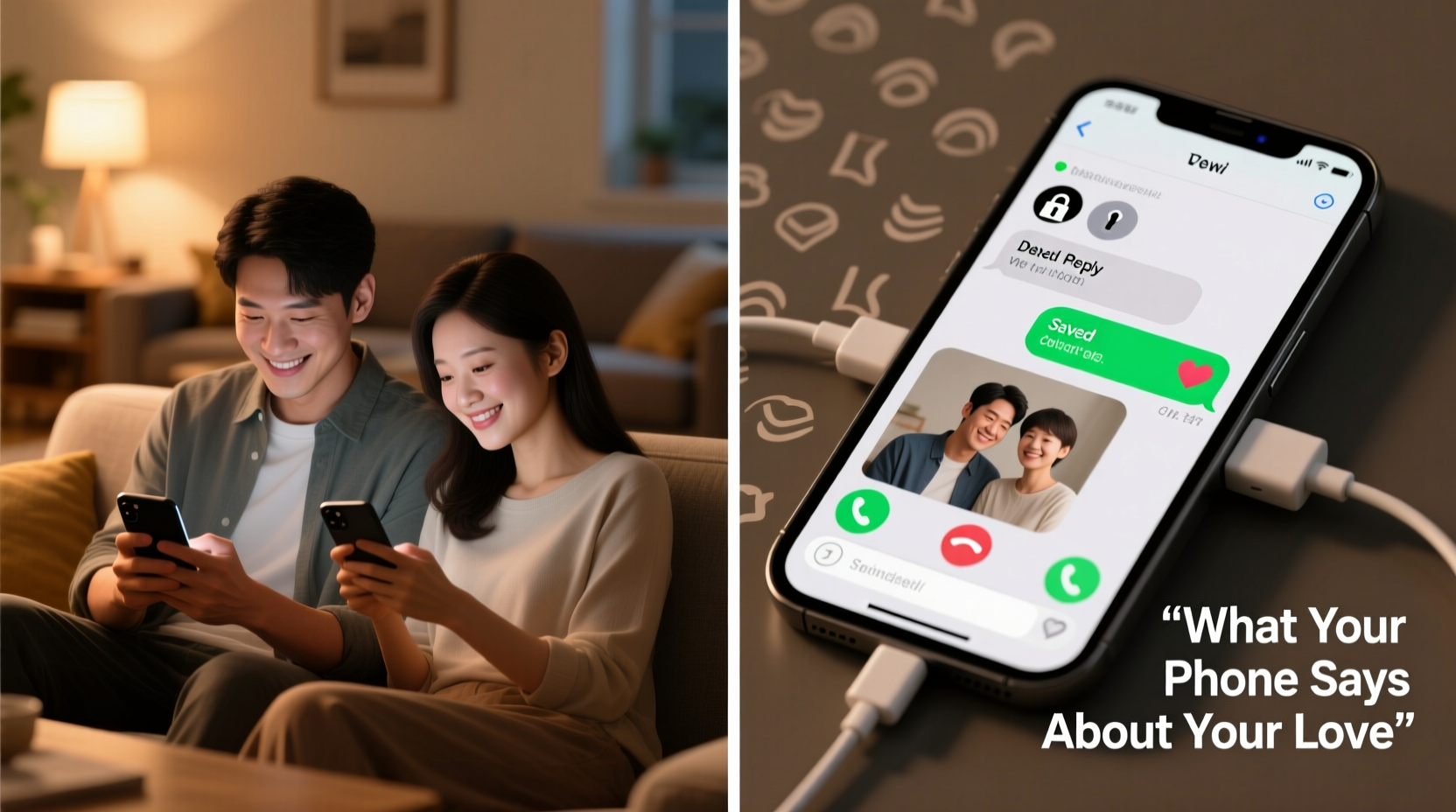
The frequency, timing, and tone of digital communication are among the most telling indicators of commitment. While everyone has different communication styles, consistent patterns over time reveal deeper truths about emotional investment.
A partner who is genuinely committed will often initiate contact regularly, respond within a reasonable timeframe, and engage in meaningful conversations—not just transactional messages like “Hey” or “What’s up?” They make an effort to keep the connection alive even during busy days.
- Initiation: Does your partner start conversations, or are you always the one reaching out?
- Depth: Are messages thoughtful, or do they lack substance and emotional engagement?
- Consistency: Is there a steady rhythm to communication, or does it fluctuate unpredictably?
Erratic messaging—long periods of silence followed by intense bursts—can indicate emotional unavailability or situational interest rather than true commitment.
2. The Role of Accessibility and Device Habits
How someone manages their phone in your presence speaks volumes. Committed partners tend to be mindful of screen time when together, prioritizing face-to-face interaction over digital distractions.
Notice whether your partner puts their phone away during meals, dates, or intimate conversations. Do they apologize if they need to check a message, or do they constantly scroll, text others, or ignore you for notifications? These behaviors reflect respect and emotional presence.
“Phone behavior in shared moments is a direct reflection of where someone places their emotional priority.” — Dr. Lena Patel, Relationship Psychologist
Additionally, willingness to share passwords or allow access to certain apps (without pressure) can signal trust and transparency. However, this should never be forced—true commitment fosters voluntary openness, not surveillance.
3. Social Media and Digital Visibility
Being acknowledged online may seem trivial, but public recognition often correlates with relationship seriousness. A partner who avoids tagging you, hides your interactions, or keeps your relationship entirely offline may not be ready to commit—or may have other reasons to conceal the connection.
Look for signs like:
- Tagging you in posts or stories
- Liking or commenting on your content consistently
- Using couple emojis or relationship statuses (if active on platforms that support them)
- Mentioning you in captions or group chats
Of course, not everyone is active on social media, so absence isn’t always a red flag. But if they’re highly engaged online yet completely silent about you, it’s worth reflecting on why.
Do’s and Don’ts of Interpreting Digital Visibility
| Do | Don’t |
|---|---|
| Consider their overall online activity level before drawing conclusions | Assume secrecy means deception without discussing it |
| Note consistency between private affection and public acknowledgment | Demand social media validation as proof of love |
| Ask open-ended questions about comfort with digital visibility | Compare your relationship to curated highlight reels of others |
4. Case Study: Recognizing Mixed Signals Through Phone Behavior
Sophia met James through a mutual friend and began dating casually. Initially, he texted her every morning with a sweet message and called her twice a week. She felt seen and valued. Over time, however, his messages became shorter, replies slower, and calls stopped altogether. When they were together, he spent much of dinner scrolling through Instagram and once laughed at a suggestive DM from someone else—quickly closing the app when he noticed her watching.
Sophia felt uneasy but dismissed it until she noticed he’d never tagged her anywhere, despite attending events together. When she gently brought it up, he said, “I don’t post personal stuff,” yet regularly shared memes, gym selfies, and tagged ex-partners in old photos.
This discrepancy between private attention and public invisibility signaled emotional withholding. After journaling her observations and discussing them calmly, Sophia realized James wasn’t avoiding social media—he was avoiding *her* on social media. That clarity helped her decide to end the relationship before investing further.
5. Step-by-Step Guide to Assessing Commitment via Phone Behavior
If you're uncertain about your partner’s level of commitment, follow this timeline-based approach to gather insight without jumping to conclusions:
- Week 1–2: Observe Baseline Behavior
Note how often they initiate contact, their average response time, and whether conversations feel reciprocal. - Week 3–4: Test Emotional Investment
Share a minor personal concern (e.g., work stress). See if they follow up later—this shows attentiveness and care. - Week 5–6: Evaluate Presence During Time Together
Pay attention to phone use when you’re physically together. Are they present, or distracted? - Week 7–8: Assess Digital Recognition
Check for any form of acknowledgment online, even small gestures like liking a photo. - Week 9: Initiate a Conversation
Discuss your feelings openly: “I’ve noticed we haven’t talked much lately. How are you feeling about us?” Use their response—and actions afterward—as a key indicator.
Frequently Asked Questions
Does quick texting always mean someone is committed?
No. Fast responses can indicate interest, but they don’t guarantee emotional investment. Someone might reply quickly out of habit, politeness, or even guilt—but avoid deeper conversations. Focus on quality and consistency over speed.
My partner doesn’t text much but says they’re “not a phone person.” Should I believe them?
Context matters. If they express affection and commitment in person and through actions, limited texting may simply reflect their communication style. However, if verbal reassurances don’t match behavior—if they rarely call, disappear for days, or show no effort—it may be avoidance disguised as preference.
Is it healthy to monitor my partner’s phone habits?
Monitoring breeds distrust. Instead of tracking, focus on open dialogue. Ask how they prefer to stay connected and share your own needs. Healthy relationships thrive on mutual understanding, not surveillance.
Conclusion: Trust Patterns, Not Promises
Phones don’t lie—even when people try to. While words can be carefully chosen, behavior unfolds naturally. A committed partner will demonstrate consistency across texts, calls, presence, and digital acknowledgment. They won’t make you guess where you stand.
If you notice repeated disengagement, broken promises to communicate, or a pattern of emotional distance reflected in phone habits, trust those cues. They’re not petty details—they’re data points in the larger picture of your relationship’s health.
Use these insights not to obsess over every notification, but to empower honest conversations and informed decisions. Love shouldn’t leave you wondering. It should feel secure, visible, and reciprocated—one message, one moment, one choice at a time.




 浙公网安备
33010002000092号
浙公网安备
33010002000092号 浙B2-20120091-4
Comments
No comments yet. Why don't you start the discussion?