
Wrinkles are inevitable. Whether it’s from travel, storage, or simply wearing clothes out of the dryer, no wardrobe is immune. For decades, the iron has been the go-to solution. But modern lifestyles demand faster, gentler, and more versatile tools. Enter the clothes steamer: a lightweight, efficient alternative that delivers smooth results without flattening fabric or risking scorch marks.
Unlike traditional irons, which rely on direct heat and pressure, steamers use hot vapor to relax fibers, releasing creases with minimal contact. This makes them ideal for delicate materials like silk, wool, and rayon—fabrics that often resist ironing. With proper technique, a steamer can produce crisp, polished looks in less time than conventional methods, all while preserving garment integrity.
The Advantages of Steaming Over Ironing
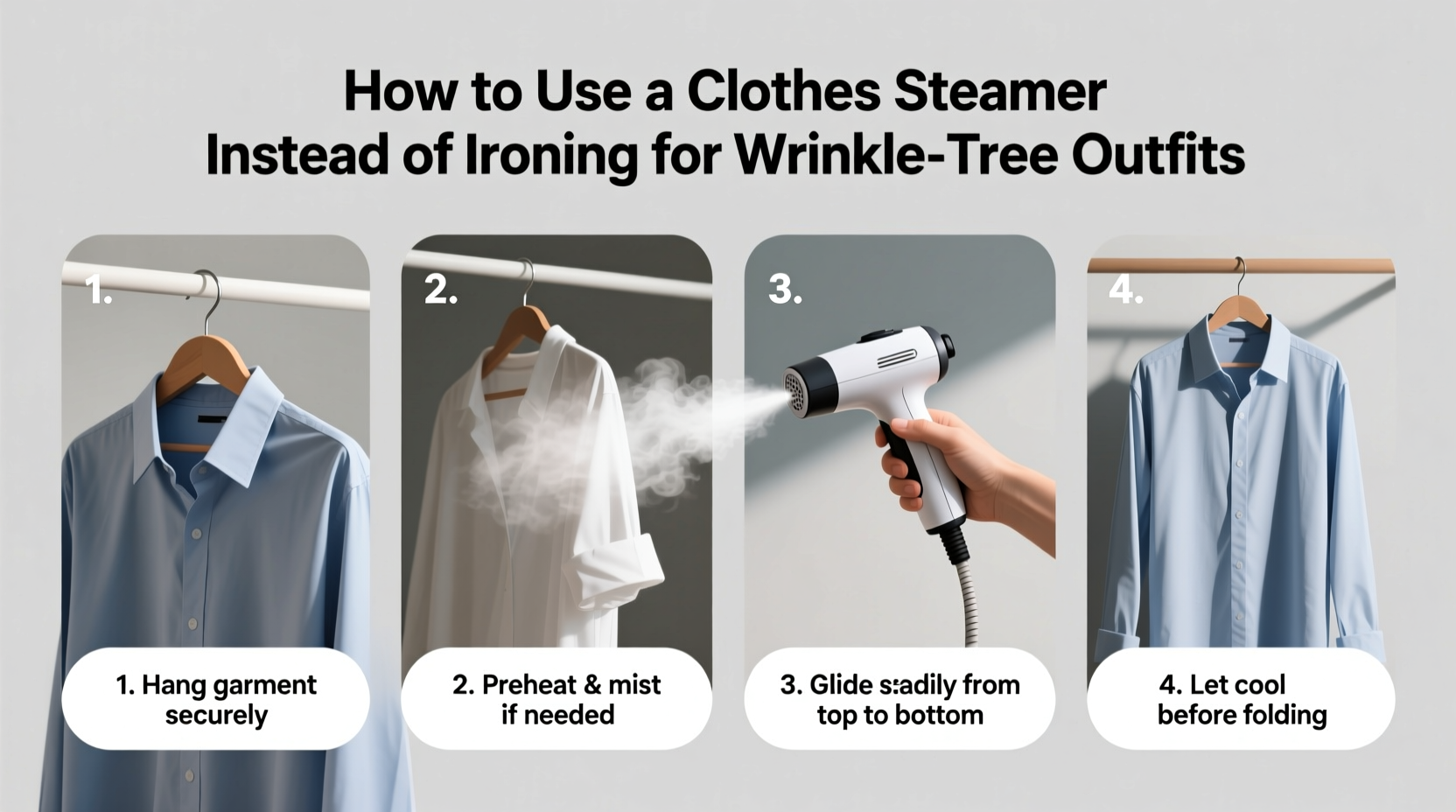
Switching from an iron to a steamer isn’t just about convenience—it’s about smarter garment care. Steamers offer several distinct benefits that make them particularly well-suited for today’s wardrobes.
- Gentler on Fabrics: No direct surface contact means reduced risk of shine, scorching, or seam damage, especially on synthetics and blends.
- Faster Process: You don’t need a board or multiple adjustments per garment. Hang and steam—done in minutes.
- Better for 3D Garments: Jackets, suits, and pleated skirts retain their shape because they aren’t flattened under weight.
- Sanitizing Effect: High-temperature steam kills bacteria, dust mites, and odors, making it ideal for refreshing clothes between washes.
- Travel-Friendly: Compact handheld models fit easily in luggage and are airline-approved.
“Steamers preserve fabric drape and texture far better than irons. For tailored pieces and delicates, they’re not just convenient—they’re essential.” — Daniel Reyes, Textile Care Consultant, New York Fashion Lab
Step-by-Step Guide to Using a Clothes Steamer
Using a steamer effectively requires more than just turning it on and waving it around. A structured approach ensures even results and prevents water spots or over-saturation.
- Fill and Heat Up: Use distilled water if possible to prevent mineral buildup. Plug in your steamer and allow 2–5 minutes for full steam generation, depending on model size.
- Prepare the Garment: Hang the clothing item on a non-slip hanger in a well-ventilated area. Smooth out major folds by hand first.
- Start from the Top: Begin at the shoulders or neckline. Hold the steamer nozzle 1–2 inches from the fabric. Move slowly downward using vertical strokes.
- Work in Sections: Focus on one panel at a time—sleeve, collar, front, back. Let gravity assist the smoothing process.
- Tackle Wrinkles Head-On: For stubborn creases, gently tug the fabric taut with your free hand while applying steam.
- Let It Dry: Allow 3–5 minutes for residual moisture to evaporate before wearing or storing.
Never hold the steamer in one spot for more than 5 seconds. Excess moisture can cause water stains, especially on tightly woven fabrics like poplin or satin.
Do’s and Don’ts When Steaming Clothes
To maximize effectiveness and protect your clothes, follow these guidelines. The right habits ensure consistent results and extend garment life.
| Do’s | Don’ts |
|---|---|
| Use distilled water to prevent clogging | Use tap water regularly (minerals build up in the tank) |
| Hold the steamer vertically for even steam flow | Lay the steamer sideways while operating (can leak or malfunction) |
| Test on an inconspicuous area first (e.g., inside seam) | Steam directly on embellishments like sequins or beads |
| Let garments air dry after steaming | Wear clothes immediately if damp (can transfer moisture to skin or outer layers) |
| Empty the water tank after each use to prevent stagnation | Store the steamer with water inside (promotes mold and corrosion) |
Real-World Example: Travel Wardrobe Rescue
Sophie, a marketing executive based in Chicago, frequently travels for client meetings. On a recent trip to Miami, she packed a navy wool-blend suit in her carry-on. After a long flight and a day of back-to-back presentations, the jacket emerged wrinkled and misshapen. Without access to an iron or pressing service, she used a compact handheld steamer from her toiletry kit.
Hanging the jacket in the hotel bathroom, she ran a quick shower to boost humidity. Then, using slow, vertical passes, she steamed each panel. Within seven minutes, the suit looked freshly pressed. She wore it confidently to a dinner presentation the next evening—no one guessed it had spent eight hours crumpled in a suitcase.
This scenario highlights the practical advantage of steamers: they deliver professional results anywhere, anytime, without requiring extra equipment or space.
Choosing the Right Steamer for Your Needs
Not all steamers are created equal. Your choice should align with how often you use it and the types of garments you own.
- Handheld Steamers: Lightweight and portable. Ideal for quick touch-ups and travel. Best for shirts, blouses, and light jackets. Limited tank capacity means frequent refills.
- Standing (Upright) Steamers: Larger water reservoirs and stronger steam output. Suitable for heavy fabrics like coats, curtains, and suits. Takes up more storage space but offers faster results.
- Garment Steamers with Accessories: Some models include nylon brushes for textured fabrics or creasing attachments for sharp lines. Useful if you need precision on trousers or formalwear.
When Ironing Is Still Necessary
While steamers excel in most scenarios, they aren’t a complete replacement for every task. Certain finishes require direct pressure to achieve the desired look.
- Crisp Shirt Collars: Steamers soften fabric but don’t create the stiff, defined edge an iron does.
- Pleats and Creases: Trousers with permanent creases may lose definition over time with steaming alone.
- Thick Seams: Denim or canvas with bulky stitching might resist full relaxation from steam only.
In these cases, consider a hybrid approach: steam the majority of the garment, then use a traditional iron with a pressing cloth for final detailing. This minimizes fabric stress while achieving sharp results.
FAQ
Can I use a steamer on silk?
Yes, and it’s actually recommended. Silk is sensitive to high heat and pressure. A steamer removes wrinkles safely without crushing the fibers. Always keep the nozzle moving and avoid oversaturating.
Why are there water spots after I steam?
Water spots usually occur when the steamer isn’t fully heated before use or when held too close to the fabric. Ensure the unit reaches full steam temperature, and maintain a 1–2 inch gap. Using distilled water also reduces spotting from mineral deposits.
How often should I descale my steamer?
If you use tap water, descale every 10–15 uses. For distilled water users, every 25–30 uses is sufficient. Most manufacturers recommend a vinegar-water solution (1:1) flushed through the system while unplugged and cooled.
Essential Checklist for Effective Steaming
Follow this checklist each time you steam to ensure optimal results and device longevity:
- ✅ Fill with distilled water
- ✅ Allow full heat-up time (light indicator or steady steam)
- ✅ Hang garment securely on a stable hanger
- ✅ Test steam on an inner seam first
- ✅ Use slow, vertical strokes from top to bottom
- ✅ Gently stretch fabric taut with opposite hand if needed
- ✅ Wait 3–5 minutes before wearing or folding
- ✅ Empty water tank after use
- ✅ Wipe down nozzle and exterior with a dry cloth
Conclusion
Ditching the iron doesn’t mean compromising on appearance—it means upgrading to a smarter, more fabric-friendly method. A clothes steamer delivers wrinkle-free results faster, safer, and with less effort. Whether you're prepping for a meeting, reviving travel-worn clothes, or maintaining delicate fabrics, steaming integrates seamlessly into modern routines.




 浙公网安备
33010002000092号
浙公网安备
33010002000092号 浙B2-20120091-4
Comments
No comments yet. Why don't you start the discussion?