
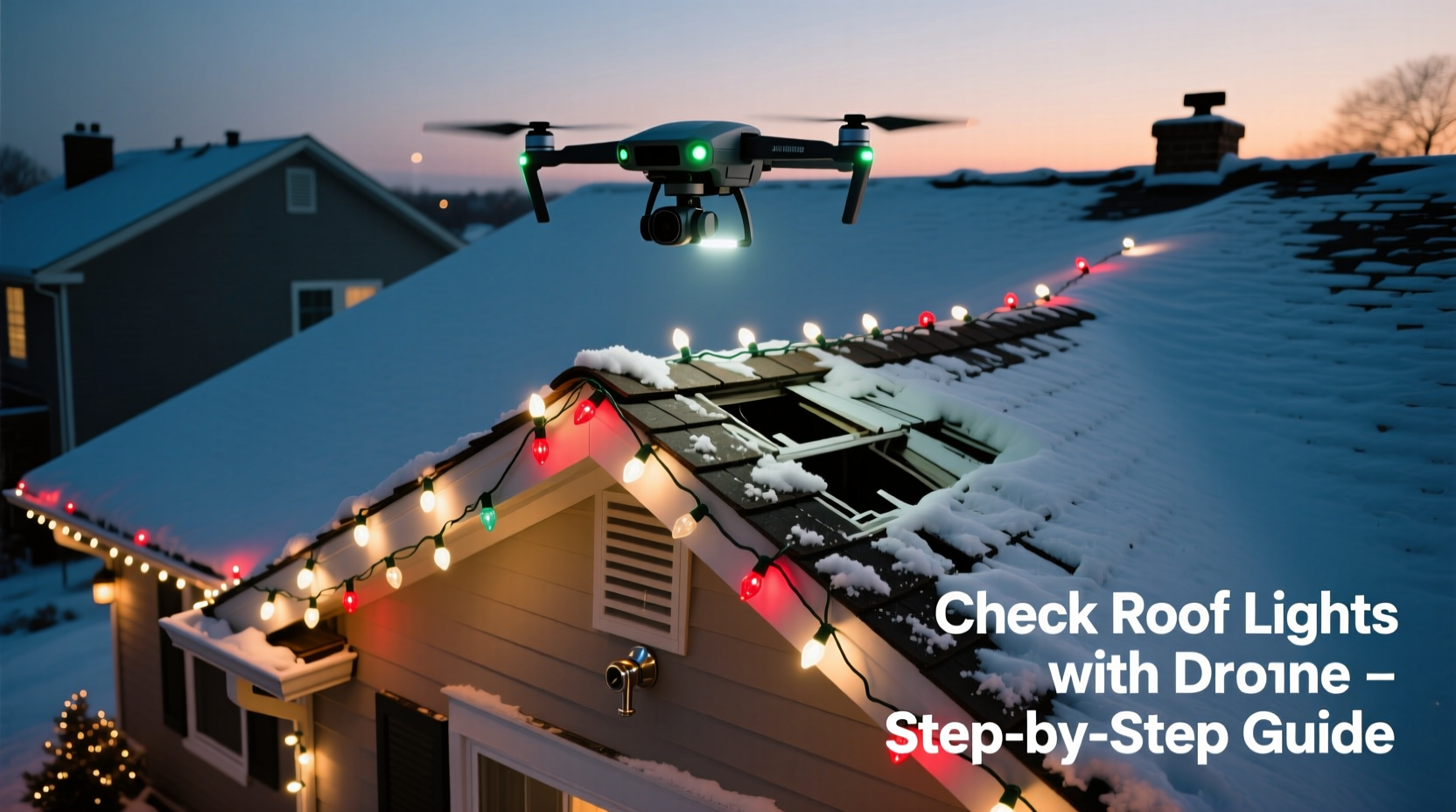
As the holiday season approaches, one of the most anticipated traditions is decorating the exterior of your home with festive Christmas lights. However, once those strings of twinkling bulbs are secured high on the roofline, gutters, or eaves, inspecting them becomes a challenge—especially when some aren’t lighting up as expected. Rather than risking a fall from a ladder or straining your neck from the ground, a more modern and efficient solution exists: using a drone.
Drones have evolved beyond recreational gadgets into practical tools for home maintenance. With stable flight controls, high-definition cameras, and intuitive operation, they offer homeowners an aerial perspective that’s both safe and revealing. Using a drone to inspect rooftop Christmas lights allows you to quickly identify dead bulbs, loose connections, tangled wires, or even signs of weather damage—all without leaving the ground.
Why Use a Drone Instead of a Ladder?
Climbing a ladder during winter months introduces significant risks. Cold, wet, or icy surfaces increase the chance of slips, while uneven ground or gusty winds can compromise stability. According to the Consumer Product Safety Commission, thousands of people visit emergency rooms each year due to ladder-related injuries during holiday decorating.
A drone eliminates physical risk while offering advantages in speed and detail:
- Safety first: No climbing required—inspect from ground level.
- Better visibility: High-resolution video captures details invisible from below.
- Time-saving: Complete a full inspection in under 10 minutes.
- Documentation: Record footage for future reference or contractor review.
Step-by-Step Guide: Inspecting Rooftop Lights with a Drone
Using a drone for this task doesn’t require advanced piloting skills, but following a structured approach ensures accuracy and safety. Here's how to do it properly:
- Prepare Your Drone
Charge the battery fully and ensure the propellers are secure. Format the microSD card if needed and confirm camera settings (preferably 1080p or higher resolution). Turn on the drone and controller, then allow it to establish GPS lock for stable hovering. - Check Local Regulations
Confirm that flying a drone near your home complies with local laws. In the U.S., FAA guidelines permit recreational flights under 400 feet, away from airports, and within visual line-of-sight. Avoid flying over neighbors’ property without permission. - Turn On the Christmas Lights
Conduct the inspection at dusk or after dark so non-functioning sections are clearly visible. Make sure all light strands are plugged in and switched on before launching. - Launch in Open Space
Position yourself in a clear area away from trees or power lines. Launch the drone slowly, allowing it to hover at eye level to test responsiveness. - Fly Along the Roofline
Gradually guide the drone upward along the edge of the roof. Move slowly—about 1–2 feet per second—to give yourself time to observe the live feed. Keep the drone at least 10 feet from the house to avoid collisions with protrusions like vents or chimneys. - Inspect Light Strands Closely
Pause the drone near dark spots or flickering areas. Zoom in via the app (if digital zoom is available) to determine whether the issue is a burnt bulb, disconnected plug, or wire displacement. Note locations using mental markers (“near the front dormer” or “above garage door”). - Record Video Footage
Save a continuous recording of the entire flight path. This allows frame-by-frame review later and helps track recurring issues year after year. - Land Safely
Return the drone to the starting point, reduce altitude gradually, and land on flat, debris-free ground. Power down and remove the SD card for playback.
Essential Equipment Checklist
Not all drones are equally suited for rooftop inspections. To get the best results, ensure your setup includes the following:
- DJI Mini 3 Pro, DJI Air 3, or similar model with HD camera and night vision capability
- Fully charged battery (carry a spare if possible)
- Smartphone or tablet with updated drone control app
- MicroSD card (32GB+ recommended for extended recordings)
- Gloves (for cold-weather operation)
- Notepad or voice memo app to log problem areas
What to Look for During the Inspection
The goal isn't just to see if the lights are on—it's to diagnose why certain sections might not be working. As you review the live feed or recorded video, watch for these common issues:
| Issue | Visual Clue | Solution |
|---|---|---|
| Dead light section | One segment unlit while others glow | Check fuse in plug; replace if blown |
| Loose connection | Gap between two light strands or dangling male/female ends | Reconnect securely or replace damaged connector |
| Wire damage | Exposed copper, chew marks, or frayed insulation | Trim and reseal with waterproof connectors or replace strand |
| Improper mounting | Lights sagging, detached clips, or hanging by wires | Reattach using gutter hooks or adhesive clips |
| Water intrusion | Corrosion inside plug or socket, greenish tint | Dry thoroughly and apply dielectric grease |
“Drones have become indispensable for seasonal home checks. They provide clarity and prevent unnecessary risks.” — Mark Reynolds, Residential Safety Consultant
Real Example: A Homeowner’s Nighttime Discovery
When Sarah Thompson in Portland, Oregon, noticed half her roofline wasn’t lighting up one December evening, she initially assumed a tripped breaker. After resetting the outlet with no success, she decided to deploy her DJI Mini 3 Pro. Flying it carefully around 7 p.m., she captured clear footage showing that a squirrel had chewed through the main power cable near the chimney.
Thanks to the drone’s zoom function, she identified the exact location of the bite mark—something she couldn’t see from the driveway. She repaired the line using a waterproof splice kit the next day, avoiding the need for professional help. More importantly, she avoided climbing onto a slippery roof in freezing temperatures.
Sarah now conducts a pre-holiday drone check every year and recommends it to neighbors. “It takes 15 minutes,” she says, “and gives me total peace of mind.”
Best Practices for Safe and Effective Flights
To maximize effectiveness and minimize risk, follow these proven strategies:
- Inspect weather conditions: Avoid flying in rain, snow, or winds exceeding 15 mph. Moisture can damage electronics and reduce battery life.
- Maintain visual contact: Even with a live feed, keep the drone in sight to react to sudden movements or signal loss.
- Use navigation aids: Enable headless mode or GPS-assisted hovering if available, especially in low-light environments.
- Minimize distractions: Conduct the flight alone, free from interruptions, particularly during takeoff and landing.
- Review footage promptly: Watch the recording the same night while the layout is fresh in your memory.
Frequently Asked Questions
Can I use any drone for checking Christmas lights?
Most consumer drones with a camera can work, but models with good low-light performance (such as those from DJI or Autel) yield clearer images. Drones under 250 grams also avoid stricter registration requirements in many countries.
Is it legal to fly a drone near my house at night?
In the U.S., recreational drone flights are permitted at night as long as the drone has anti-collision lighting and remains within visual line-of-sight. Always comply with local ordinances and avoid flying over public roads or private property without consent.
What if I find a serious wiring issue?
If you spot exposed wires, damaged transformers, or signs of electrical arcing, do not attempt repairs unless qualified. Contact a licensed electrician or holiday lighting specialist to address potential fire hazards.
Conclusion: A Smarter Way to Maintain Holiday Cheer
Using a drone to check your rooftop Christmas lights is more than a tech-savvy shortcut—it’s a responsible, efficient method of preserving both your decorations and personal safety. What once required risky climbs and guesswork can now be accomplished from the warmth of your backyard, with precision and confidence.
This holiday season, skip the ladder and let your drone do the work. With just a few minutes of flight time, you can ensure every bulb shines brightly, your setup is secure, and your family stays safe. Whether you're a seasoned pilot or new to drones, this simple application delivers real value when it matters most.




 浙公网安备
33010002000092号
浙公网安备
33010002000092号 浙B2-20120091-4
Comments
No comments yet. Why don't you start the discussion?