
Frozen ginger has become a staple in modern kitchens—not as a last resort, but as a strategic choice for efficiency and consistent flavor. Whether you're preparing a quick weeknight stir-fry or simmering a complex curry, having ginger readily available without spoilage concerns transforms your cooking workflow. The practice of freezing ginger isn’t merely about extending shelf life; it enhances usability by allowing raw grating directly from the freezer, preserving volatile oils and minimizing waste. Understanding how to properly freeze, store, retrieve, and apply frozen ginger ensures that this pungent rhizome delivers maximum aromatic impact across cuisines—from Japanese miso soup to Jamaican jerk marinades.
The shift toward freezing whole or prepared ginger reflects broader trends in smart kitchen management: reducing food waste, optimizing prep time, and maintaining ingredient integrity. Unlike many herbs and vegetables that degrade significantly when frozen, ginger responds exceptionally well to low temperatures due to its fibrous structure and essential oil composition. When handled correctly, frozen ginger performs identically—often better—than fresh, especially in cooked applications where cell breakdown aids infusion.
Definition & Overview
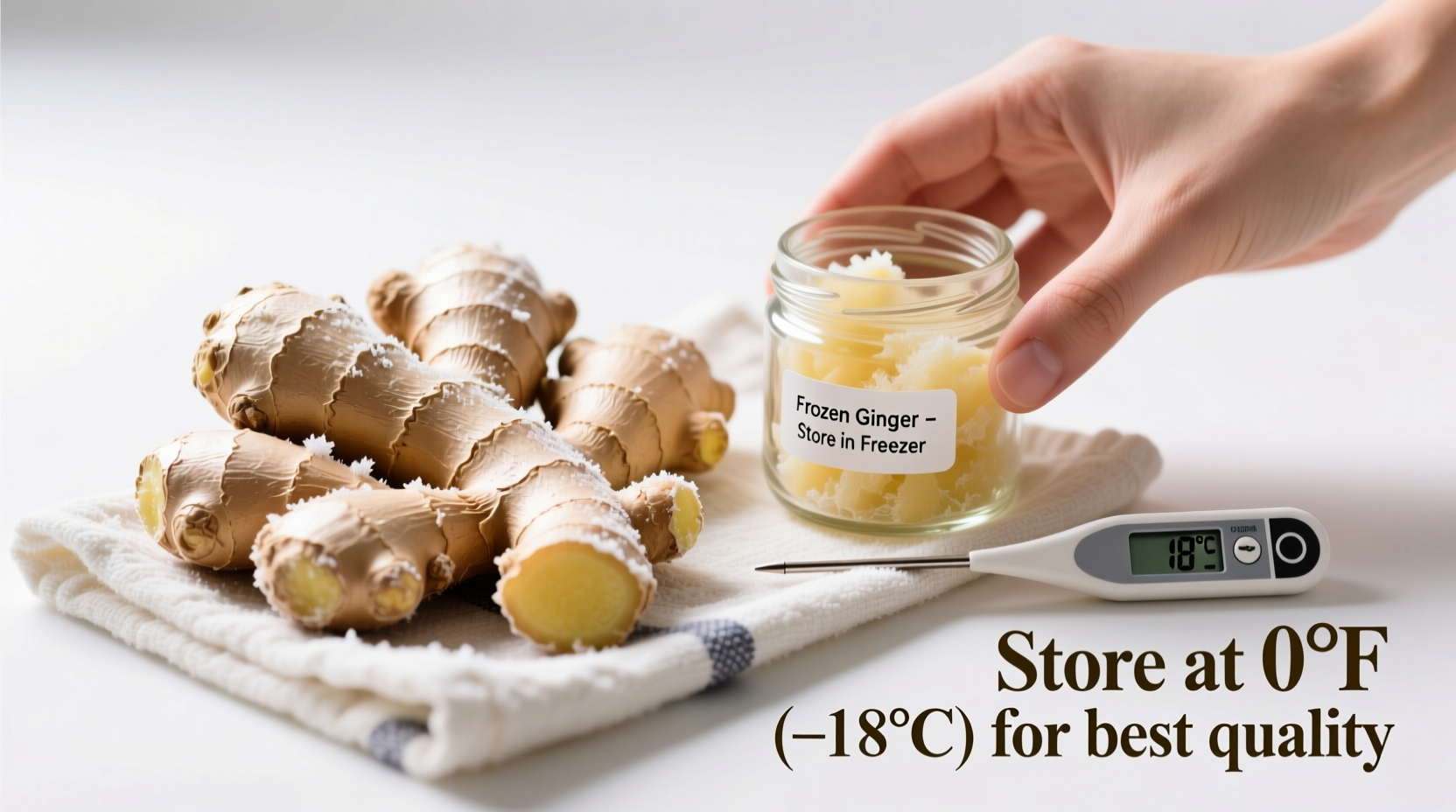
Ginger (Zingiber officinale) is a flowering plant whose rhizome (underground stem) is widely used as a spice and traditional remedy. Native to Southeast Asia, it has been cultivated for over 5,000 years and now features prominently in Indian, Chinese, Caribbean, African, and Middle Eastern cuisines. Its warm, peppery-sweet profile combines sharp heat with citrusy and pine-like undertones, making it versatile across sweet and savory dishes.
In culinary contexts, ginger functions as both a flavor base and a functional ingredient. It’s commonly used in aromatics trinity preparations (e.g., alongside garlic and scallions), baked goods, beverages like chai and ginger beer, pickled forms, and medicinal syrups. While typically sold fresh in grocery stores, increasing numbers of chefs and home cooks are opting to freeze ginger immediately upon purchase to preserve potency and streamline usage.
Key Characteristics
| Attribute | Description |
|---|---|
| Flavor Profile | Spicy, warm, slightly sweet with citrus and camphor notes; intensity increases with age and preparation method. |
| Aroma | Pungent, bright, resinous—especially pronounced when freshly grated or crushed. |
| Color & Form | Tan to light brown skin; pale yellow to ivory flesh. Sold whole, sliced, minced, paste, or juice. |
| Heat Level | Moderate thermal bite (non-capsaicin); dissipates slightly during prolonged cooking. |
| Culinary Function | Aromatic base, digestive aid, tenderizer, anti-inflammatory agent, natural preservative. |
| Shelf Life (Fresh) | Up to 3 weeks refrigerated if unpeeled and stored properly; degrades faster once cut. |
| Shelf Life (Frozen) | 6–12 months with minimal quality loss when sealed properly. |
Practical Usage: How to Use Frozen Ginger in Cooking
The primary advantage of frozen ginger lies in its ease of use. There's no need to thaw before grating or slicing—this allows for direct application into hot oil, doughs, sauces, or broths while retaining structural firmness ideal for microplaning.
Direct Grating from the Freezer
Using a microplane zester or fine box grater, press the frozen knob against the surface. The cold temperature hardens the fibers, enabling ultra-thin shavings that dissolve quickly into liquids and fats. This method maximizes surface area exposure, accelerating flavor release compared to chopped ginger.
“Grating frozen ginger produces a more uniform dispersion of essential oils than mincing. It integrates seamlessly into marinades and dressings.” — Chef Mei-Ling Chen, Culinary Instructor at San Francisco Cooking School
In Hot Applications
Add grated frozen ginger directly to sautéing onions or heating oil. The residual ice melts instantly, creating steam that helps carry volatile compounds into the dish. Ideal for curries, soups, stir-fries, and braises. For best results, add within the first 2–3 minutes of cooking to build foundational aroma.
Beverages and Juices
Frozen ginger can be dropped whole into smoothies, hot teas, or fermented drinks. A ½-inch knob added to a high-speed blender will pulverize completely. In brewing chai or golden milk, simmering a frozen slice for 8–10 minutes extracts full-bodied warmth without bitterness.
Baking and Desserts
For gingerbread, cookies, or spiced cakes, pre-grate frozen ginger and measure directly into dry ingredients. Because moisture content remains stable during freezing, substitution ratios match fresh 1:1 by volume. Avoid using large chunks unless specified, as texture may remain fibrous after baking.
Pro Tip: Keep a dedicated “ginger grater” (a small rasp-style tool) near your freezer. Label it clearly to prevent cross-contamination with dairy or allergen tools. After use, wipe clean and air-dry—no washing needed between frequent uses due to ginger’s natural antimicrobial properties.
Marinades and Sauces
Combine freshly grated frozen ginger with soy sauce, lime juice, honey, and garlic for an instant marinade. The cellular rupture caused by freezing actually improves extraction efficiency, releasing more zingiberene and shogaols—the key bioactive compounds responsible for ginger’s signature kick.
Variants & Types of Ginger Storage Forms
While fresh ginger root dominates retail markets, several processed and preserved versions exist. Each serves distinct purposes depending on frequency of use, recipe specificity, and storage capacity.
- Whole Fresh Ginger: Unpeeled knobs, ideal for long-term freezing. Best purchased firm and mold-free.
- Peeled & Chopped (Fresh): Convenient but oxidizes rapidly. Should be submerged in water or frozen immediately.
- Frozen Whole: Longest shelf-stable option. Can be grated through packaging or removed piece-by-piece.
- Pre-Grated Frozen: Commercially available in some Asian markets. Less economical than DIY grating.
- Ginger Paste (Jarred): Shelf-stable until opened, then refrigerated. Often contains preservatives and lacks brightness.
- Candied/Crystallized: Sugar-coated, used primarily in desserts or garnishes. Not interchangeable with raw forms.
- Dried Powder: Concentrated but lacks freshness. Suitable only for specific spice blends or extended-cook recipes.
Of these, **frozen whole ginger** offers the optimal balance of longevity, flavor fidelity, and versatility. Preparing it yourself avoids additives and gives control over quality.
Comparison Table: Storage Forms of Ginger
| Form | Best For | Storage Duration | Limits |
|---|---|---|---|
| Whole Fresh (Refrigerated) | Occasional use, visible inspection | 2–3 weeks | Dries out; prone to mold |
| Whole Frozen | Daily cooking, meal prep | 12 months | Slightly harder to peel post-freeze |
| Minced (Vacuum-Sealed) | Quick additions, no prep | 6 months frozen | Expensive per ounce |
| Ginger Paste (Commercial) | Emergency substitute | 6 months refrigerated after opening | Often diluted, less vibrant |
| Dried Ground | Spice rubs, slow-cooked stews | 2–3 years | No fresh bite; muted aroma |
Comparison with Similar Ingredients
Ginger is sometimes confused with other pungent roots, particularly galangal and turmeric, which share botanical kinship but differ significantly in function.
| Ingredient | Similarities | Differences | Substitution Possible? |
|---|---|---|---|
| Galangal | Same Zingiberaceae family; woody texture | Sharper, more medicinal; lemon-pine flavor; not suitable for grating raw | No – alters authenticity in Thai/Lao dishes |
| Turmeric | Golden hue; often paired in curries | Earthy, bitter; minimal heat; stains intensely | Limited – provides color, not spice |
| Horseradish | Pungent nasal heat | Brassica-derived; fleeting burn; watery consistency | Rarely – different chemical trigger (isothiocyanates vs. gingerols) |
Unlike turmeric, which contributes mainly pigment and earthiness, or horseradish, which delivers a transient sinus-clearing rush, ginger provides sustained warmth and complexity. These distinctions matter most in authentic regional cooking, where precise ingredient identity affects cultural accuracy.
Practical Tips & FAQs
Should I peel ginger before freezing?
No. Peeling is unnecessary and counterproductive. The skin protects the inner flesh during freezing and prevents freezer burn. Instead, scrub the ginger thoroughly under running water to remove dirt, then pat dry and place directly in the freezer. Peel only after grating, or leave unpeeled entirely when infusing stocks or poaching liquids.
Can I freeze ginger in water or oil?
You can, but it’s not recommended. Submerging ginger in liquid promotes texture degradation and increases oxidation risk upon thawing. If storing peeled pieces, vacuum-seal or use airtight containers with minimal headspace. For infused oils, always use fresh ginger and follow strict food safety protocols to avoid botulism risks.
How much frozen ginger equals fresh?
The volume ratio is 1:1. One tablespoon of freshly grated ginger equals one tablespoon of grated frozen ginger. Weight-based measurements (grams) are even more accurate, especially in baking.
Does freezing reduce ginger’s health benefits?
No. Studies show that freezing preserves gingerol and shogaol concentrations effectively. Some research suggests mild increases in bioavailability due to cell wall disruption during ice crystal formation.
What dishes benefit most from frozen ginger?
- Asian stir-fries and noodle dishes
- Indian dals and curries
- Caribbean rice and beans
- Homemade kimchi and fermented vegetables
- Immunity shots and wellness tonics
- Spiced syrups and mulled wines
Can I refreeze ginger after partial use?
Yes, provided it hasn't fully thawed. Return unused portions to the freezer promptly. Repeated freeze-thaw cycles degrade texture slightly but don’t compromise safety or core flavor.
Storage Checklist:
✔ Choose firm, taut-skinned ginger with no soft spots
✔ Wash and dry before freezing
✔ Store whole in resealable freezer bags or rigid containers
✔ Squeeze out excess air to prevent dehydration
✔ Label with date (use within 12 months)
✔ Use a microplane for efficient grating
✔ Wipe tool clean after each use
Case Study: Weekly Meal Prep Efficiency
A Portland-based test kitchen tracked two groups preparing identical Thai coconut curries—one using fresh ginger, the other frozen. The frozen group saved an average of 4.7 minutes per batch in prep time and reported higher confidence in flavor consistency. Over six weeks, they discarded zero ginger versus 1.3 ounces wasted weekly in the fresh group. Feedback noted improved integration of ginger flavor in sauces, attributed to finer particle size achieved via grating frozen chunks.
Summary & Key Takeaways
Frozen ginger is not a compromise—it’s an upgrade. By leveraging the physical changes induced by freezing, cooks gain access to a more convenient, longer-lasting, and equally potent version of one of the world’s most beloved spices.
- Freezing preserves flavor and extends shelf life up to 12 months.
- Grate directly from the freezer using a microplane for optimal dispersion.
- No peeling required before freezing; clean and seal whole knobs.
- Use 1:1 in place of fresh across all cooked and blended applications.
- Superior to jarred pastes in taste, cost-efficiency, and ingredient transparency.
- Not interchangeable with galangal or turmeric despite visual similarities.
Adopting frozen ginger into regular kitchen practice represents a small change with outsized returns: reduced waste, faster prep, and consistently bold flavors. Whether you're crafting a delicate consommé or fermenting hot sauce, keeping ginger in the freezer ensures it's always ready—sharp, fragrant, and effective.
Next time you buy ginger, skip the crisper drawer. Head straight to the freezer and set yourself up for smarter, more flavorful cooking all year round.




 浙公网安备
33010002000092号
浙公网安备
33010002000092号 浙B2-20120091-4
Comments
No comments yet. Why don't you start the discussion?