
In an age of constant digital distractions, maintaining mental clarity during study sessions or work hours has become increasingly difficult. Many turn to caffeine or stimulant supplements, but there’s a gentler, more natural alternative: aromatherapy. For centuries, essential oils have been used to influence mood, energy, and cognitive performance. Modern research now supports what ancient traditions long understood—certain scents can sharpen concentration, reduce mental fatigue, and improve information retention. When applied thoughtfully, aromatherapy becomes not just a wellness trend, but a functional tool for enhancing productivity.
The olfactory system—the pathway through which we process smell—is directly linked to the brain’s limbic system, which governs emotions, memory, and arousal. This means that inhaling specific essential oils can trigger immediate neurological responses that support alertness and mental clarity. Unlike oral supplements or medications, aromatherapy works quickly and non-invasively, making it ideal for students, remote workers, creatives, and anyone needing sustained focus without side effects.
The Science Behind Scent and Cognitive Performance
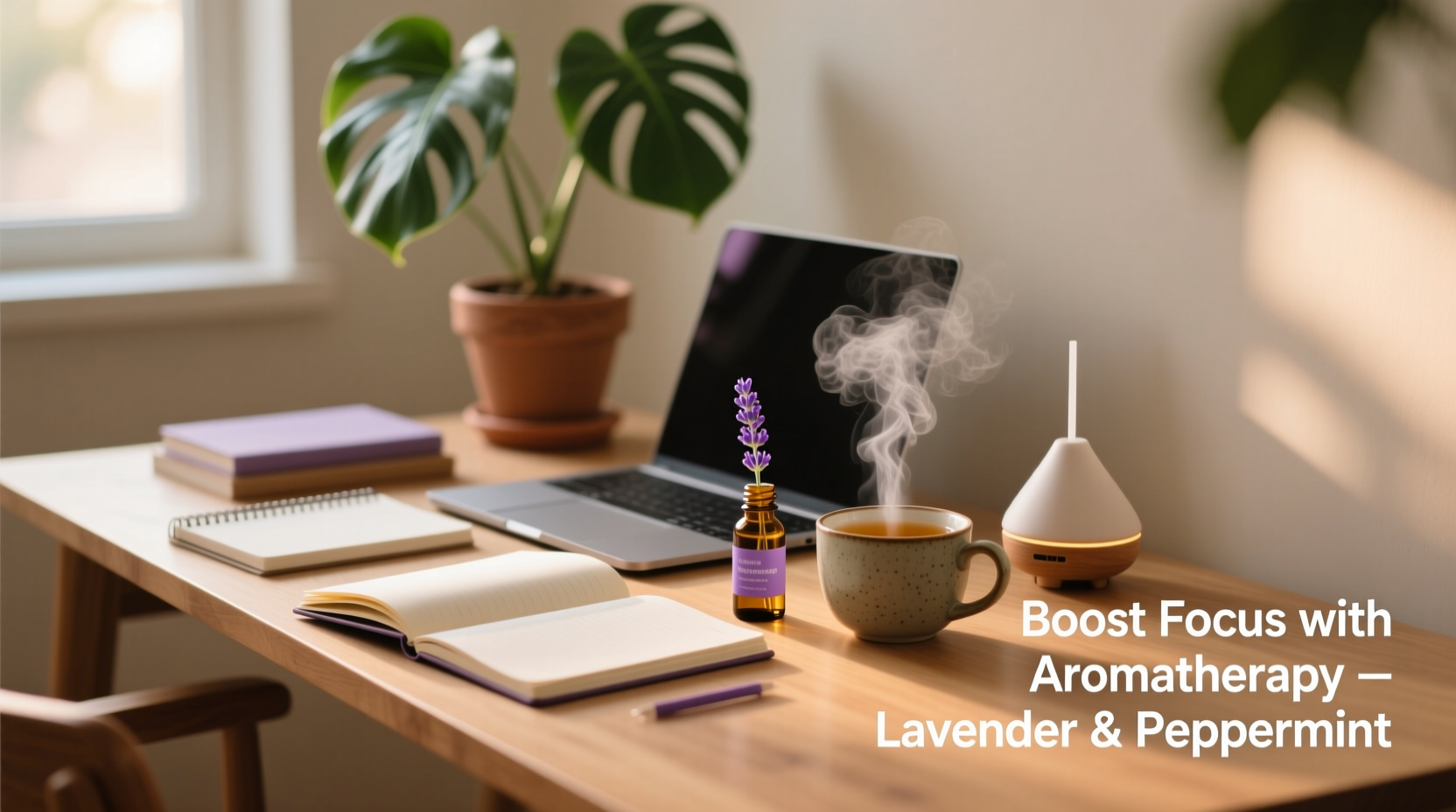
Essential oils are concentrated plant extracts that retain the aromatic compounds of their source. These volatile molecules enter the body primarily through inhalation, where they interact with olfactory receptors in the nose. From there, signals travel directly to the brain’s limbic system, influencing areas responsible for attention, stress regulation, and memory formation.
A 2012 study published in Phytotherapy Research found that rosemary oil significantly improved cognitive performance in participants exposed to its aroma, particularly in tasks involving memory and speed of processing. Similarly, a 2020 review in Complementary Therapies in Medicine concluded that peppermint and lemon essential oils consistently enhanced alertness and concentration across multiple trials.
The mechanism lies in the bioactive components of these oils. For example:
- 1,8-cineole, abundant in rosemary and eucalyptus, has been shown to increase oxygen uptake in the brain and stimulate cholinergic activity—crucial for learning and memory.
- Limonene, found in citrus oils like lemon and orange, elevates mood and reduces anxiety, creating optimal conditions for focused work.
- Menthol in peppermint oil activates cold-sensitive receptors in the nasal passages, producing a cooling sensation that heightens alertness and reduces mental fatigue.
These effects are subtle yet measurable. They don’t replace good sleep or proper study techniques, but they create a supportive environment for peak mental performance.
Top Essential Oils for Focus and Concentration
Not all essential oils promote focus. Some are calming (like lavender), which may be counterproductive during high-concentration tasks. The most effective oils for boosting mental clarity tend to be invigorating, fresh, and slightly sharp. Here are the top five backed by both tradition and research:
- Rosemary (Rosmarinus officinalis) – Known as the “oil of remembrance,” rosemary enhances memory recall and processing speed. Its woody, herbaceous scent stimulates cerebral circulation.
- Peppermint (Mentha piperita) – Offers a cooling, energizing effect that combats drowsiness. Ideal for long study sessions or afternoon slumps.
- Lemon (Citrus limon) – Uplifting and clean, lemon oil reduces mental fog and increases subjective feelings of alertness.
- Frankincense (Boswellia carterii) – Less stimulating but deeply centering, it helps quiet mental chatter and supports meditative focus.
- Vetiver (Vetiveria zizanioides) – Earthy and grounding, vetiver is particularly helpful for those with ADHD or racing thoughts, promoting sustained attention.
While single oils are effective, blending them can amplify benefits. A combination of rosemary and lemon, for instance, balances stimulation with clarity. Peppermint and frankincense together offer both alertness and calm—a useful pairing for high-pressure work environments.
“Essential oils don’t just mask stress—they actively modulate brainwave patterns. In controlled settings, rosemary and peppermint have demonstrated measurable improvements in attention span and accuracy.” — Dr. Helena Pierce, Neuroaromatherapist and Research Fellow at the Institute for Integrative Neuroscience
Practical Ways to Use Aromatherapy During Study or Work
Knowing which oils to use is only half the battle. Application method matters just as much. The goal is consistent, low-level exposure without distraction or sensory overload. Here are four proven techniques:
1. Ultrasonic Diffuser
The most common and effective method. Add 3–5 drops of essential oil to water in a diffuser placed within your workspace. Run it intermittently—15 minutes on, 30 minutes off—to maintain freshness without habituation (your nose adapting to the scent).
2. Personal Inhalers
Compact, portable devices with absorbent wicks that hold essential oils. Inhale directly when you need a quick mental reset. Ideal for libraries, offices, or shared spaces where diffusers aren’t practical.
3. Scented Wristbands or Jewelry
Cotton wristbands or lava stone bracelets can be lightly dabbed with essential oil. The scent remains close to your nose throughout the day, offering subtle, continuous support. Reapply every 2–3 hours as needed.
4. Room Sprays
Mix 10–15 drops of essential oil with distilled water and a teaspoon of ethanol (like vodka) in a spray bottle. Mist your workspace before starting. Avoid spraying directly on electronics or wood surfaces.
Step-by-Step Guide: Creating Your Focus-Enhancing Routine
To integrate aromatherapy into your daily workflow, follow this structured approach:
- Assess your needs – Are you battling fatigue, distraction, or anxiety? Choose oils accordingly: peppermint for energy, vetiver for grounding, lemon for clarity.
- Select your delivery method – Use a diffuser at home, a personal inhaler at work, or a rollerball for on-the-go use.
- Create a blend – Start with simple combinations. Example: 3 drops rosemary + 2 drops lemon in your diffuser.
- Set a schedule – Begin diffusing 10 minutes before a study session. Reapply every 90 minutes during extended work blocks.
- Pair with rituals – Combine scent with habit. Light a candle (unscented if using strong oils) or play focus music to condition your brain to associate the aroma with deep work.
- Monitor response – Keep a brief log: How alert do you feel? Any headaches or irritation? Adjust dosage or switch oils as needed.
Consistency over time strengthens the psychological association between the scent and focused states. Within a week or two, simply smelling rosemary or lemon may trigger a natural state of concentration.
Do’s and Don’ts of Aromatherapy for Focus
| Do’s | Don’ts |
|---|---|
| Use high-quality, pure essential oils from reputable brands. | Use synthetic fragrances or perfume oils—they lack therapeutic properties. |
| Dilute oils properly for topical use. | Apply undiluted oils directly to skin or mucous membranes. |
| Ventilate rooms when diffusing for long periods. | Run diffusers continuously in small, enclosed spaces. |
| Start with lower concentrations and increase gradually. | Overuse oils, which can lead to headaches or nausea. |
| Store oils in dark glass bottles away from heat and light. | Leave bottles open or expose oils to sunlight, which degrades potency. |
Real-World Example: A Student’s Exam Preparation Strategy
Maya, a third-year medical student, struggled with maintaining focus during 8-hour study marathons. Despite using caffeine and noise-canceling headphones, she often experienced mental burnout by mid-afternoon. After reading about aromatherapy, she decided to experiment.
She began using a blend of 4 drops of rosemary and 3 drops of lemon in her ultrasonic diffuser each morning. She also carried a personal inhaler with peppermint oil for quick refreshment during breaks. Within three days, she noticed a sharper mental edge and fewer episodes of zoning out. By her next exam, she had conditioned herself to associate the rosemary-lemon scent with deep focus. Now, even a brief whiff before a test helps her enter a productive mindset.
“It’s not magic,” she says, “but it’s like giving my brain a signal: it’s time to work. I feel more present, less sluggish.”
Common Questions About Aromatherapy and Focus
Can aromatherapy really improve memory and concentration?
Yes, multiple clinical studies support the cognitive-enhancing effects of certain essential oils. Rosemary, peppermint, and lemon have demonstrated measurable improvements in attention, processing speed, and memory recall. While not a substitute for healthy habits, aromatherapy acts as a complementary tool that primes the brain for focus.
Are essential oils safe to use around children or pets?
Some oils are toxic to pets, especially cats and birds. Peppermint and citrus oils should be used with caution around animals. For children under 6, consult a pediatrician before use. Always diffuse in well-ventilated areas and keep oils out of reach.
How long does it take for aromatherapy to work?
Effects can be felt within minutes of inhalation. However, developing a conditioned response—where the scent alone triggers focus—takes consistent use over several days to weeks. Immediate benefits include increased alertness; long-term benefits involve improved mental resilience and reduced cognitive fatigue.
Final Checklist: Your Aromatherapy Focus Plan
- ✅ Choose 1–2 essential oils known for focus (e.g., rosemary, peppermint, lemon)
- ✅ Purchase a high-quality diffuser or personal inhaler
- ✅ Create a simple blend (start with single oils if new)
- ✅ Set up your diffusion schedule (15–30 min intervals)
- ✅ Pair scent with a pre-work ritual (e.g., brewing tea, opening laptop)
- ✅ Monitor your mental state and adjust as needed
- ✅ Store oils properly to preserve potency
Conclusion: Turn Scent Into a Productivity Tool
Aromatherapy is more than a relaxation technique—it’s a scientifically supported method for optimizing mental performance. By harnessing the power of essential oils like rosemary, peppermint, and lemon, you can create an environment that naturally supports concentration, reduces mental fatigue, and enhances cognitive endurance. The beauty of this approach lies in its simplicity: a few drops of oil, a quiet breath, and your mind begins to align with purpose.
You don’t need expensive tools or drastic lifestyle changes. Start small—add rosemary to your diffuser tomorrow morning, or carry a mint-scented inhaler during your next work session. Notice the shift. Over time, your brain will learn to respond, turning scent into a silent ally in your pursuit of focus and mastery.




 浙公网安备
33010002000092号
浙公网安备
33010002000092号 浙B2-20120091-4
Comments
No comments yet. Why don't you start the discussion?