
Trees have long held symbolic and aesthetic value in homes, gardens, and public spaces. Whether it's a towering oak in the backyard, a potted ficus on the patio, or a decorated holiday tree indoors, enhancing its presence with sound can deepen the experience. Ambient audio—such as rustling leaves, birdsong, soft chimes, or seasonal music—can transform a simple tree into a sensory centerpiece. With modern Bluetooth speaker technology, creating this atmosphere is more accessible than ever. This guide walks you through practical, creative, and technical methods to use Bluetooth speakers effectively for ambient soundscaping around your tree.
Selecting the Right Bluetooth Speaker
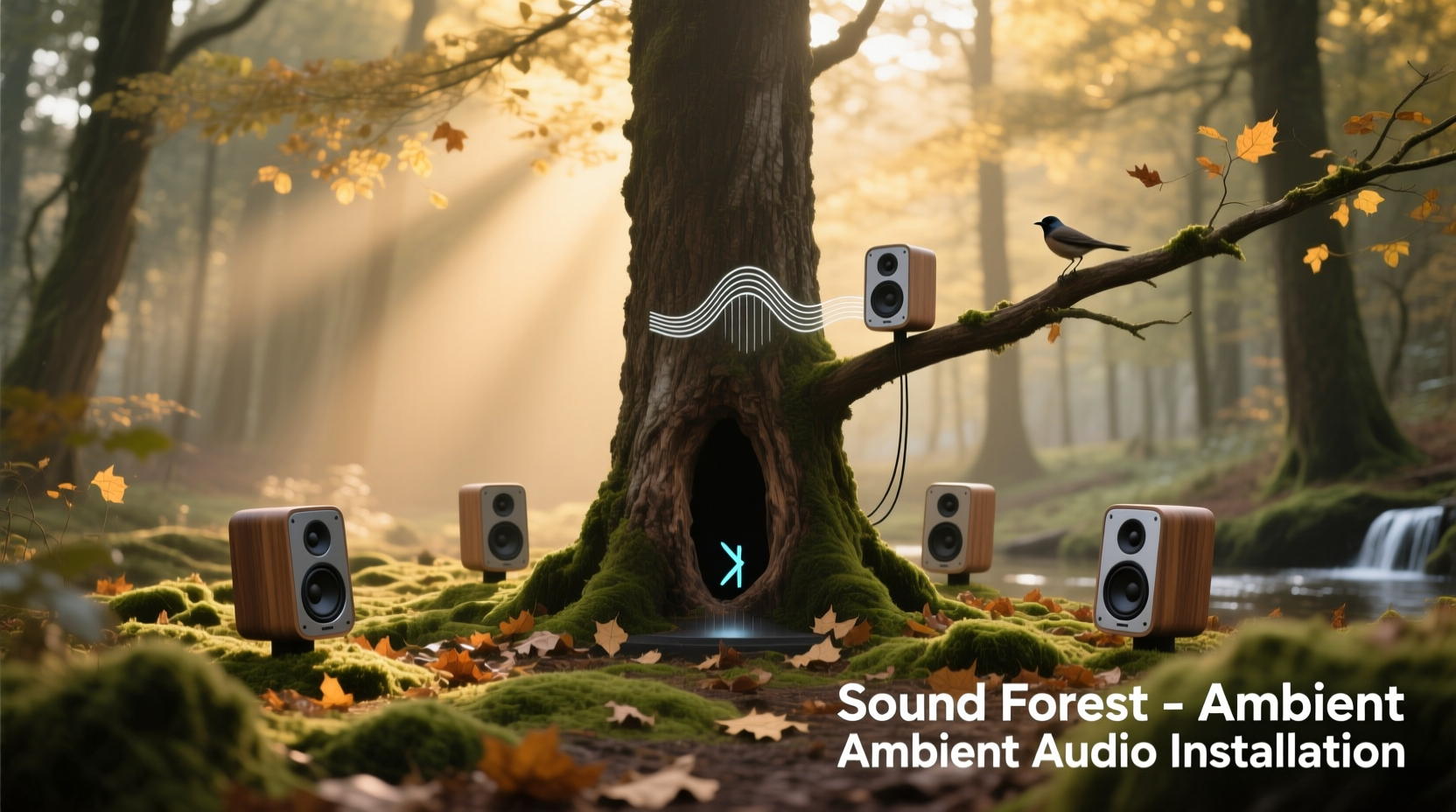
The foundation of any successful ambient setup lies in choosing the right speaker. Not all Bluetooth speakers are created equal when it comes to outdoor durability, sound dispersion, or battery life—factors that matter significantly depending on where your tree is located.
For indoor trees, especially during holidays or in living rooms, compact, high-fidelity speakers with warm tonal balance work best. For outdoor trees, prioritize weather resistance (IPX6 or higher), longer battery life, and omnidirectional sound output. Brands like JBL, Bose, and Ultimate Ears offer models specifically engineered for both environments.
Key Features to Look For
- Battery Life: Minimum 8–10 hours for extended play.
- Sound Quality: Balanced mids and highs; avoid overly bass-heavy models unless intentional.
- Connectivity Range: At least 30 feet line-of-sight from your audio source.
- Durability: Shock-resistant and sealed enclosures for outdoor use.
- Mounting Options: Built-in hooks, stands, or compatibility with third-party mounts.
Strategic Speaker Placement Around the Tree
Placement determines how natural and immersive the ambient effect feels. The goal is not just volume, but spatial authenticity—sound should appear to emanate from the tree itself or its immediate surroundings.
For a single speaker, position it at the base, slightly behind the trunk to allow sound to reflect off the bark and branches. For multi-speaker setups, place units at different heights and angles to simulate layered environmental audio. One near the roots playing soft forest floor sounds, another mid-canopy level with bird calls, and a third above with wind-in-leaves effects can produce a three-dimensional effect.
“Sound design isn’t just about what you hear—it’s about where you think it’s coming from.” — Lena Torres, Audio Environment Designer
Do’s and Don’ts of Speaker Positioning
| Action | Do | Don't |
|---|---|---|
| Indoor Setup | Use low-profile speakers tucked under branches or behind ornaments | Place directly against walls which may cause echo |
| Outdoor Setup | Elevate speakers on weatherproof stands or hang from sturdy limbs | Leave on damp ground where moisture can damage components |
| Multiple Speakers | Synchronize playback using multi-pairing features or apps | Allow inconsistent timing between devices causing echo or phase issues |
Creating Thematic Soundscapes
Ambient sound is most effective when it supports a theme. Whether you're aiming for tranquility, seasonal festivity, or ecological immersion, curating the right audio enhances emotional impact.
For a springtime garden feel, combine birdsong, gentle breezes, and distant water droplets. During winter holidays, blend soft instrumental carols with crackling fire sounds and occasional sleigh bells. Year-round, consider minimalist piano loops or ASMR-style nature recordings to maintain calm.
Streaming platforms like Spotify, YouTube, and Apple Music offer pre-made ambient playlists. Search terms like “forest ambience,” “gentle rain and birds,” or “holiday tree coziness” yield excellent starting points. You can also download royalty-free ambient tracks from sites like FreeSound.org or Calm Radio for offline use.
Example: Holiday Tree Soundscape Setup
- Choose a compact, festive-looking Bluetooth speaker (e.g., JBL Clip 5 with red cover).
- Position it inside the lower third of the tree, hidden among lights and ornaments.
- Pair it with a smartphone running a looping playlist titled “Cozy Christmas Fireplace & Carols.”
- Set volume to 30–40% to create background warmth without overpowering conversation.
- Enable auto-play and battery saver mode for up to 12 hours of continuous use.
Power and Connectivity Management
Reliability depends on stable power and connection. Bluetooth signals can weaken through dense foliage or interior walls, and batteries drain faster in cold temperatures—especially outdoors.
To extend runtime, use external power sources when possible. For indoor trees, plug speakers directly into outlets. For outdoor installations, consider solar-powered chargers or portable power banks rated for outdoor use. Some advanced systems support USB-C passthrough charging, allowing playback while recharging.
Maintain strong connectivity by minimizing obstacles between the audio source and speaker. If your phone or tablet must stay indoors while the speaker is outside, ensure they’re within 30 feet and ideally in direct line of sight. Alternatively, use a Bluetooth transmitter with extended range or switch to Wi-Fi-enabled smart speakers (like Sonos) that connect via your home network for greater stability.
Mini Case Study: The Urban Balcony Oasis
Jamal, a resident of a downtown Chicago apartment, wanted to turn his small balcony—with a single potted Japanese maple—into a peaceful retreat. He installed two waterproof UE Wonderboom 2 speakers: one mounted on a pole near the base, the other clipped to a railing at shoulder height. Using a tablet inside his apartment, he streamed a custom loop of koi pond ambience and soft bamboo flute music. By scheduling playback from 6–9 PM daily via a smart app, he created a consistent evening ritual. Neighbors often paused to comment on the calming atmosphere, unaware of the subtle tech behind it.
Step-by-Step Guide to Your Ambient Tree Setup
Follow this comprehensive timeline to build your own ambient sound environment in under an hour.
- Assess Location (5 min): Determine if the tree is indoors or outdoors, accessible to power, and exposed to weather.
- Choose Speaker(s) (10 min): Select based on size, durability, and sound profile. Opt for one or multiple depending on coverage needs.
- Gather Equipment (5 min): Include extension cables, mounting clips, power bank, and audio source (phone/tablet).
- Install Speakers (15 min): Securely mount or place units around the tree. Avoid blocking vents or submerging parts.
- Pick Soundscape (10 min): Curate or select a playlist matching your desired mood—nature, seasonal, meditative, etc.
- Test & Adjust (10 min): Play audio at intended volume. Walk around the tree to check even coverage. Fine-tune placement or levels.
- Automate (Optional, 5 min): Use smart timers or voice assistants (e.g., Alexa Routines) to start playback at sunset or specific times.
Frequently Asked Questions
Can I leave Bluetooth speakers outside permanently?
Most consumer-grade Bluetooth speakers are not designed for permanent outdoor installation, even if water-resistant. Prolonged exposure to UV rays, temperature swings, and humidity can degrade materials and electronics. For lasting setups, bring speakers indoors when not in use or invest in outdoor-rated landscape audio systems.
How do I prevent theft or tampering with outdoor speakers?
Use discreet placement, lockable mounts, or camouflage covers. Position speakers out of easy reach and avoid leaving charging cables exposed. Consider motion-activated lights nearby to deter interference.
Is it safe to use speakers near holiday tree lights or water features?
Yes, provided the speaker is properly insulated and kept away from direct contact with water or heat sources. Never drape cords over wet surfaces or place speakers directly beneath dripping ornaments. Keep at least six inches clearance from incandescent lights, which can generate heat.
Expert Tips for Long-Term Success
Maintaining your ambient setup ensures longevity and consistent performance. Create a monthly checklist to inspect connections, clean speaker grilles with a dry brush, and update firmware if supported. Re-evaluate your soundscape seasonally—swap summer cicadas for autumn leaf-crunch effects, or transition from holiday music to spring blossoms.
Consider integrating smart controls. Devices like the Amazon Echo Dot (with clock) can be programmed to play different ambient tracks at different times of day—morning birdsong, afternoon breeze, evening calm—all triggered automatically.
📋 Ambient Tree Maintenance Checklist- ✅ Check battery charge weekly
- ✅ Wipe down speaker exteriors every two weeks
- ✅ Test Bluetooth pairing monthly
- ✅ Update audio playlist quarterly
- ✅ Inspect cables and mounts for wear
- ✅ Store indoors during extreme weather
Conclusion: Transform Your Tree Into a Living Atmosphere
Using Bluetooth speakers to create ambient sound around your tree bridges technology and nature, turning a static plant into a dynamic sensory experience. Whether you're cultivating serenity, celebrating seasons, or surprising guests with subtle auditory magic, the tools are already within reach. With thoughtful selection, strategic placement, and a touch of creativity, your tree can become more than a visual focal point—it can breathe, whisper, and sing.




 浙公网安备
33010002000092号
浙公网安备
33010002000092号 浙B2-20120091-4
Comments
No comments yet. Why don't you start the discussion?