
Christmas lighting has long been associated with outlining rooflines, windows, and doors—a predictable but safe approach. While these classic silhouettes have their charm, they often fail to showcase the unique character of a home. By shifting focus from simple borders to strategic illumination of architectural details, homeowners can elevate their holiday display into something truly distinctive. Thoughtful lighting doesn’t just decorate; it reveals texture, depth, and design intent, turning even modest homes into seasonal showpieces.
The key lies in moving beyond tradition and embracing light as a tool for storytelling. With careful placement and an understanding of form and shadow, Christmas lights can emphasize columns, arches, gables, dormers, and other structural elements that define a home’s personality. This approach creates visual interest, adds dimension, and draws attention to craftsmanship that might otherwise go unnoticed during the darker winter months.
Why Highlight Architecture Instead of Just Outlining?
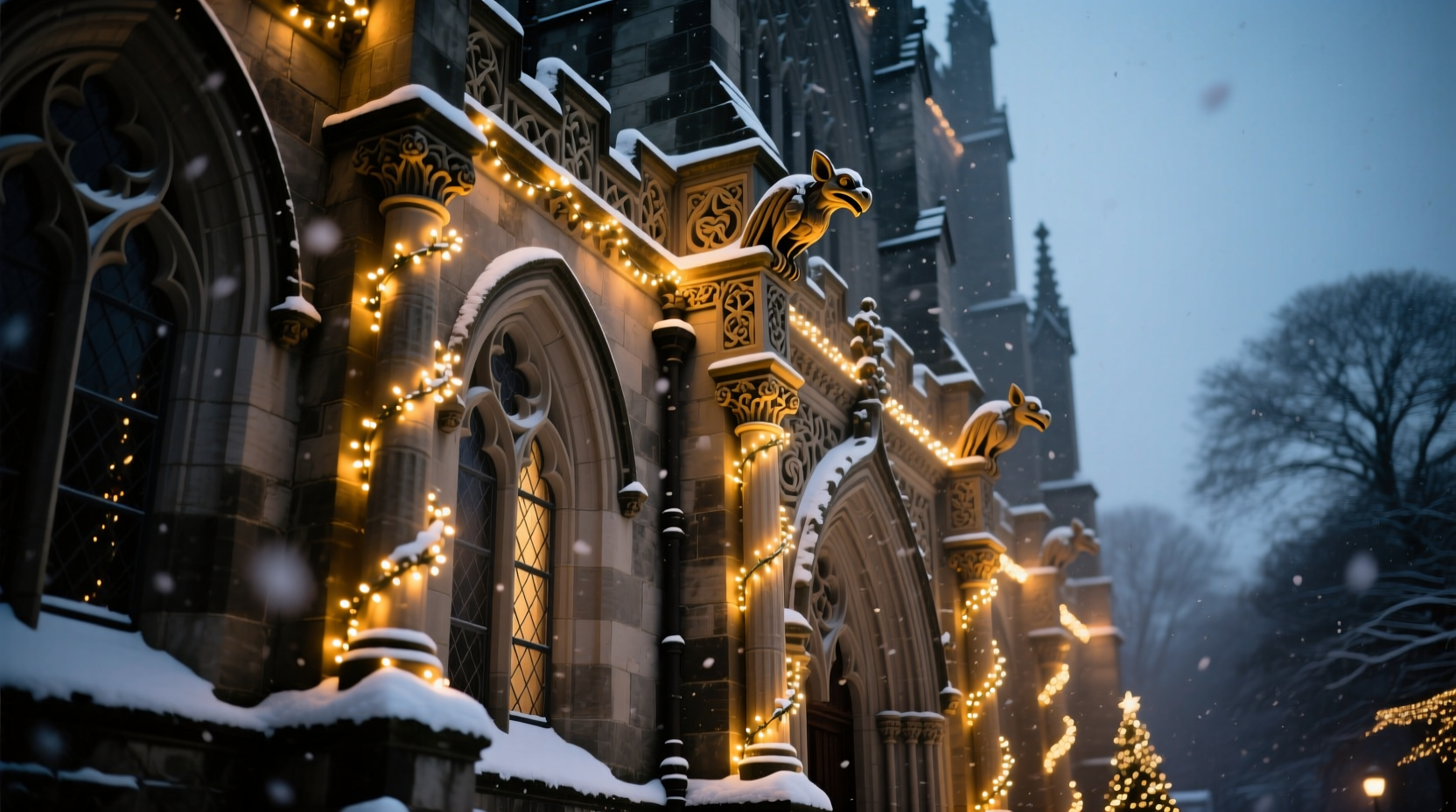
Outlining is straightforward and requires minimal planning, which explains its popularity. But it treats every house the same way—like a coloring book waiting for a border. In contrast, architectural highlighting respects the individuality of a structure. It turns lighting into a design strategy rather than a checklist item.
When you illuminate specific features—such as stone veneer, exposed beams, or decorative shutters—you invite viewers to look closer. The interplay of light and shadow brings out textures and layers, creating a dynamic effect that changes with viewing angle and weather conditions. A well-lit turret or bay window becomes a focal point, not just part of a glowing frame.
Moreover, this method enhances curb appeal in a sophisticated way. Real estate professionals often note that tasteful exterior lighting increases perceived value. During the holidays, the same principle applies: a thoughtfully lit home stands out without appearing gaudy. It signals care, creativity, and attention to detail.
“Lighting should reveal architecture, not mask it. When done right, holiday lights don’t hide the house—they honor it.” — Daniel Reeves, Architectural Lighting Designer
Key Architectural Features Worth Highlighting
Not all homes are built alike, and neither should their lighting be. Identifying standout features is the first step toward a more intentional display. Some common elements lend themselves especially well to accent lighting:
- Gables and peaks: Use vertical runs of lights along rake boards to draw the eye upward.
- Dormer windows: Frame each dormer individually to give attic spaces a cozy, storybook feel.
- Porch columns and pillars: Wrap or spiral lights around them to add grandeur and warmth.
- Bay or bow windows: Follow the curve with flexible string lights to emphasize projection and depth.
- Stone or brick accents: Place ground-level uplights or recessed fixtures to graze the surface and enhance texture.
- Entryways: Illuminate door surrounds, sidelights, and transoms to create a welcoming glow.
- Turrets and towers: Spiral lights from base to top for a dramatic, lighthouse-like effect.
Even subtle details like trim work, corbels, or soffits can become points of interest when lit with precision. The goal is to guide the viewer’s eye through the façade, creating a narrative of shape and structure.
Step-by-Step Guide to Architectural Lighting Installation
Transforming your home’s appearance with feature-focused lighting requires planning and execution. Follow this timeline to ensure a polished result:
- Assess and sketch (1–2 hours): Walk the perimeter of your home and make notes or a rough sketch of features you want to highlight. Take photos if needed.
- Choose the right lights (30 minutes): Opt for warm white LEDs for a natural glow. Consider bulb size—mini lights for delicate details, C7/C9 for bolder statements.
- Map power sources (15 minutes): Identify accessible outlets and plan extension cord routes. Avoid tripping hazards and water exposure.
- Dry-fit the layout (1 hour): Temporarily drape lights along target areas to test visibility and balance. Adjust spacing and density as needed.
- Install with proper hardware (2–4 hours): Use gutter clips, adhesive mounts, or net lights where appropriate. Avoid nails or screws that damage surfaces.
- Test and refine (30 minutes): Turn on lights at dusk to evaluate impact. Shift or reposition any sections that appear uneven or underwhelming.
- Secure and conceal cords (1 hour): Tuck excess cords behind downspouts or along trim. Use cord covers for walkway safety.
This process may take longer than basic outlining, but the payoff is a custom-tailored display that reflects your home’s character.
Do’s and Don’ts of Feature-Based Holiday Lighting
To avoid common pitfalls and maximize impact, refer to the following comparison table:
| Do | Don’t |
|---|---|
| Use warm white lights to complement architectural tones | Use multicolored lights on traditional or historic homes |
| Highlight one or two key features instead of everything | Try to light every nook and cranny—this causes visual clutter |
| Use uplighting to emphasize vertical elements like columns | Point lights directly at windows—this creates glare and privacy issues |
| Maintain consistent spacing between bulbs (3–6 inches) | Bunch lights too closely in one area while leaving others sparse |
| Invest in timers or smart plugs for energy efficiency | Leave lights on all night—diminishes impact and wastes energy |
Balancing restraint with creativity ensures your lighting feels intentional, not overwhelming.
Real Example: Transforming a Colonial-Style Home
Consider a two-story colonial home with white siding, black shutters, a centered front door with sidelights, and two dormers above. The homeowner initially used only roofline outlining, resulting in a flat, generic appearance.
In year two, they shifted strategy. They began by wrapping the porch columns with warm white mini lights, adding depth to the entry. Next, they installed short vertical runs along the edges of both dormers, making them stand out against the roof. Finally, they placed low-voltage LED spikes at the base of the front steps to gently uplight the stone pathway and door surround.
The result? A layered, inviting display that emphasized symmetry and craftsmanship. Neighbors commented that the house looked “expensive” and “festive without being flashy.” Most importantly, the lighting drew attention to design choices the owners were proud of—something outlining alone could never achieve.
Essential Tools and Materials Checklist
Before starting your project, gather the following supplies:
- Warm white LED string lights (preferably commercial-grade)
- Gutter clips or adhesive mounting clips
- Extension cords rated for outdoor use
- Power strip with surge protection
- Stepladder with stable footing
- Gloves and non-slip footwear
- Measuring tape
- Cord covers or raceways for walkways
- Timer or smart plug
- Optional: landscape uplights for foundation or column accents
Having everything on hand prevents mid-project delays and ensures a smoother installation.
Frequently Asked Questions
Can I highlight architecture without using a lot of lights?
Absolutely. Strategic placement matters more than quantity. A single strand outlining a dormer or framing a front door can have more impact than dozens of feet of roofline lighting. Focus on quality over coverage.
Are certain home styles better suited for this approach?
All homes have architectural potential, but styles with more detail—such as Tudor, Craftsman, Victorian, or Mediterranean—offer more opportunities for emphasis. However, even modern or minimalist homes benefit from highlighting clean lines, cantilevers, or material contrasts.
How do I prevent my lights from looking messy?
Plan the layout in advance, maintain consistent spacing, and secure wires neatly. Avoid crossing cords randomly or allowing sagging strands. Use clips designed for your surface type—vinyl gutters need different fasteners than wood fascia.
Conclusion: Elevate Your Holiday Display with Purposeful Lighting
Christmas lights don’t have to follow a formula. By focusing on architectural features rather than outlines, you turn your home into a canvas for seasonal expression. This method rewards observation, planning, and a bit of creativity—but the results speak for themselves. Passersby will pause. Neighbors will notice. And you’ll gain a deeper appreciation for the design of your own space.
The holidays are about more than tradition; they’re about meaning. Let your lighting reflect not just celebration, but pride in place. Start small if needed—highlight one window, one column, one gable. Refine over time. Soon, your home won’t just be lit; it will be seen.




 浙公网安备
33010002000092号
浙公网安备
33010002000092号 浙B2-20120091-4
Comments
No comments yet. Why don't you start the discussion?